Und dann auf "Zum Home-Bildschirm [+]".

Stöbern
genialokal zum Startbildschirm hinzufügen
Installieren Sie die genialokal App auf Ihrem Startbildschirm für einen schnellen Zugriff und eine komfortable Nutzung.
Installieren Sie die genialokal App auf Ihrem Startbildschirm für einen schnellen Zugriff und eine komfortable Nutzung.
Ihr gewünschter Artikel ist in 0 Buchhandlungen vorrätig - wählen Sie hier eine Buchhandlung in Ihrer Nähe aus:

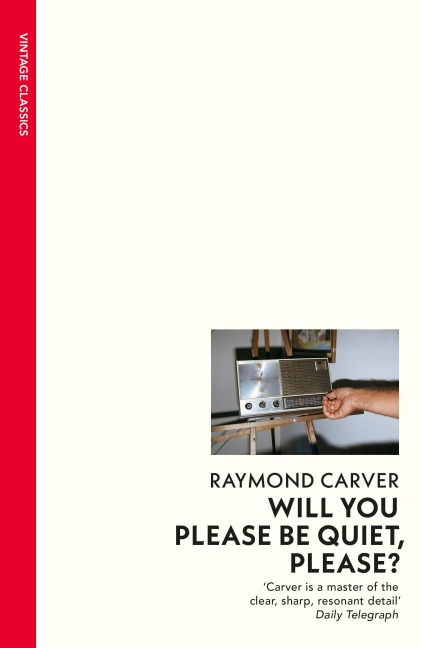
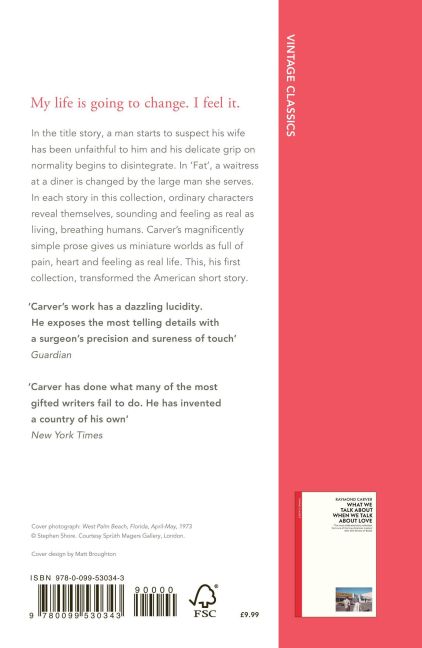
The first collection of stories by the great master of the short story form, Raymond Carver. In the title story a man starts to suspect his wife has been unfaithful to him and his delicate grip on normality begins to disintegrate. In 'Fat' a waitress at a diner is changed by the large man she serves. In each story in this collection ordinary characters reveal themselves, sounding and feeling as real as living, breathing humans. Carver's magnificently simple prose gives us mini worlds with great power, as full of pain, heart and feeling as real life. This, his first collection, transformed the American short story. 'Carver has made himself the natural successor to his true mentor, Chekhov' Financial Times 'Carver is a master of the clear, sharp, resonant detail' Daily Telegraph 'Carver's stories conjure up a quality of fellow feeling which gives the stories a compelling, dry-eyed poignancy, a melancholy but intensely moving authenticity' William Boyd
Raymond Carver was born in Clatskanie, Oregon, in 1938. His father was a saw-mill worker and his mother was a waitress and clerk. He married early and for years writing had to come second to earning a living for his young family. Despite, small-press publication, it was not until Will You Please Be Quiet Please? appeared in 1976 that his work began to reach a wider audience. This was the year in which he gave up alcohol, which had contributed to the collapse of his marriage. In 1977 he met the writer Tess Gallagher, with whom he shared the last eleven years of his life. During this prolific period he wrote three collections of stories, What We Talk About When We Talk About Love, Cathedral and Elephant. Fires, a collection of essays, poems and stories, appeared in 1985, followed by three further collections of poetry. In 1988 he completed the poetry collection A New Path to the Waterfall.