Und dann auf "Zum Home-Bildschirm [+]".

Stöbern
genialokal zum Startbildschirm hinzufügen
Installieren Sie die genialokal App auf Ihrem Startbildschirm für einen schnellen Zugriff und eine komfortable Nutzung.
Installieren Sie die genialokal App auf Ihrem Startbildschirm für einen schnellen Zugriff und eine komfortable Nutzung.
Ihr gewünschter Artikel ist in 0 Buchhandlungen vorrätig - wählen Sie hier eine Buchhandlung in Ihrer Nähe aus:

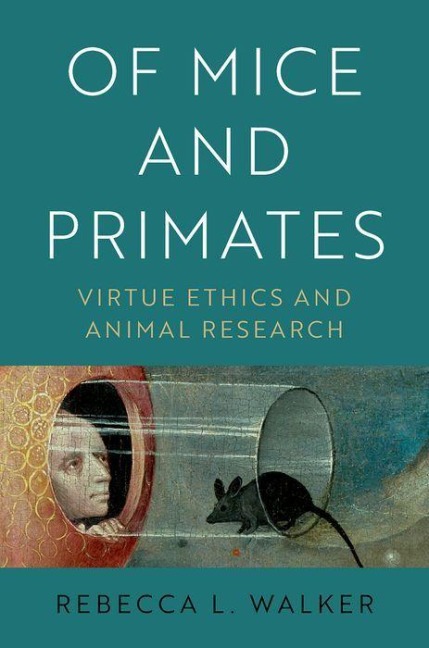
Moral theory has primarily approached questions in animal ethics using utilitarian and rights-based theories. When applied to ethical questions in animal research, these theories typically yield conclusions about whether, or when, such animal uses are morally permissible. Rebecca Walker here argues for an alternative approach using virtue ethics, a moral perspective with roots in ancient Greek philosophy, to consider the ethical questions that arise within the very practice of laboratory animal research. Focused on questions of how we ought to live, what it means to flourish, and how virtues and vices yield practical moral guidance, Walker's use of virtue ethics yields important new insights into animal research ethics.
Rebecca Walker is a professor of philosophy and of social medicine at the University of North Carolina at Chapel Hill. Her work in philosophy of medicine addresses animal ethics, health justice, genomic ethics, and bioethics theories and concepts. She engages both philosophical and social science methodologies and she has published widely in prominent bioethics, science, philosophy, and medicine journals. Her co-edited books include Working Virtue: Virtue Ethics and Contemporary Moral Problems (2007); Understanding Health Inequalities and Justice (2016); and the two volume Social Medicine Reader (2019).
- Chapter 1: Why (not) virtue ethics?
- Chapter 2: Rights and Welfare: A Case Study
- Chapter 3: Animal Flourishing and the Lab
- Chapter 4: Friendship, Human-Animal Bonds, and Partiality in the Lab
- Chapter 5: Virtue, Vice, and the Other Animals: Compassion
- Chapter 6: Justice and Animal Research Oversight
- Chapter 7: Intellectual Virtues for Animal Science
- Chapter 8: Limitations and Further Thoughts on Moral Status