Und dann auf "Zum Home-Bildschirm [+]".

Stöbern
genialokal zum Startbildschirm hinzufügen
Installieren Sie die genialokal App auf Ihrem Startbildschirm für einen schnellen Zugriff und eine komfortable Nutzung.
Installieren Sie die genialokal App auf Ihrem Startbildschirm für einen schnellen Zugriff und eine komfortable Nutzung.
Ihr gewünschter Artikel ist in 0 Buchhandlungen vorrätig - wählen Sie hier eine Buchhandlung in Ihrer Nähe aus:

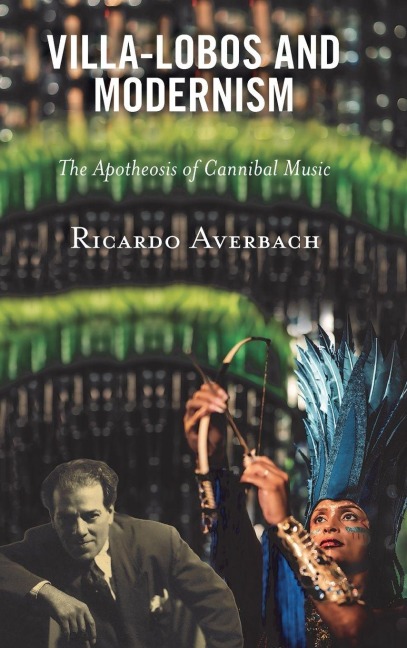
Ricardo Averbach places Heitor Villa-Lobos as the top exponent of Cultural Cannibalism in music, an aesthetic movement that has been neglected due to traditional Eurocentric views of Modernism. Villa-Lobos and Modernism shows how much our present aesthetics owes to the Modernist ideas introduced by the Brazilian composer.
Ricardo Averbach is director of orchestral studies at Miami University and past president of the College Orchestra Directors Association.
Acknowledgments Preface Chapter 1: The Anthropophagic Aesthetic Chapter 2: Villa-Lobos, the "Cannibal who Wore Tails" Chapter 3: The Sad Clowns of Carnival: Polichinelo and Petrushka Chapter 4: Taking Flight with Two Ballet Birds: Uirapuru and Firebird Chapter 5: Dissecting Uirapuru Chapter 6: Breaking Treaties: Amazonas and Le Sacre du Printemps Chapter 7: Diving into the Amazonas Chapter 8: Towards a New Assessment of Villa-Lobos Chapter 9: The Influence of Surrealism in Villa-Lobos's Modernist Works Appendix 1: The Anthropophagous Manifesto: An Annotated Translation Appendix 2: Glossary of Musical Terminology Bibliography About the Author