
Stöbern
genialokal zum Startbildschirm hinzufügen
Installieren Sie die genialokal App auf Ihrem Startbildschirm für einen schnellen Zugriff und eine komfortable Nutzung.
Installieren Sie die genialokal App auf Ihrem Startbildschirm für einen schnellen Zugriff und eine komfortable Nutzung.
Tippen Sie einfach auf Teilen:
 Und dann auf "Zum Home-Bildschirm [+]".
Bei genialokal.de kaufen Sie online bei Ihrer lokalen, inhabergeführten Buchhandlung!
Ihr gewünschter Artikel ist in 0 Buchhandlungen vorrätig - wählen Sie hier eine Buchhandlung in Ihrer Nähe aus:

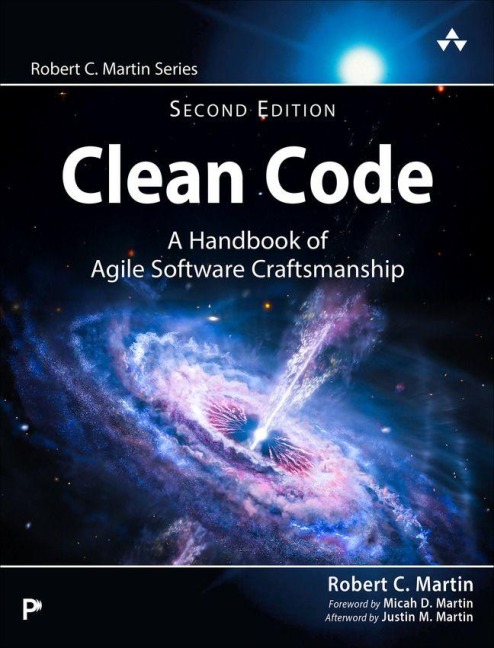
Bestselling author Robert C. Martin brings new life and updated code to his beloved Clean Code book With Clean Code, Second Edition, Robert C. Martin ("Uncle Bob") reinvigorates the classic guide to software craftsmanship with updated insights, broader scope, and enriched content. This new edition--a comprehensive rewrite of the original bestseller--is poised to transform the way developers approach coding, fostering a deeper commitment to the craft of writing clean, flexible, and maintainable code. The book is divided into four parts: basic coding practices, design principles and heuristics, high-level architecture, and the ethics of craftsmanship. It challenges readers to critically evaluate code quality and reassess their professional values, ultimately guiding them to produce better software. This edition includes expanded coverage of testing disciplines, design and architecture principles, and multiple programming languages. - Design and architecture principles integrated with coding practices - Coverage of more languages, including Java, JavaScript, Go, Python, Clojure, C#, and C - Case studies for practical exercises in code transformation - Techniques for writing good names, functions, objects, and classes - Strategies for formatting code for maximum readability - Comprehensive error handling and testing practices - Productive use of AI tools for coding - Soft skills and the ethics of programming - SOLID principles of software design - Management of dependencies for flexible and reusable code - Professional practices and trade-offs in object-oriented design Clean Code, Second Edition, underscores the importance of evolving software craftsmanship to meet contemporary challenges. Offering a deeper exploration of testing, design, and architecture, alongside universal coding principles applicable across various programming languages, this edition is set to be an indispensable resource for developers, engineers, and project managers. It not only aims to enhance technical skills but also to cultivate a professional ethos that values clean, flexible, and sustainable code.
Robert C. Martin (Uncle Bob) has been a programmer and software development expert since 1970. He is founder of Uncle Bob Consulting, LLC, and cofounder with his son Micah Martin of The Clean Coders LLC. Martin has published dozens of articles in various trade journals and is a regular speaker at international conferences and trade shows. He is the author of many books, including Agile Software Development: Principles, Patterns, and Practices; UML for Java Programmers; Clean Code; The Clean Coder; Clean Architecture; Clean Agile; Clean Craftsmanship; and Functional Design. Martin served for three years as editor-in-chief of the C++ Report and as the first chairman of the Agile Alliance.
Foreword Introduction Introduction (from Long Ago) Chapter 1: Clean Code Part I: Code Chapter 2: Clean That Code! Chapter 3: First Principles Chapter 4: Meaningful Names Chapter 5: Comments Chapter 6: Formatting Chapter 7: Clean Functions Chapter 8: Function Heuristics Chapter 9: The Clean Method Chapter 10: One Thing Chapter 11: Be Polite Chapter 12: Objects and Data Structures Chapter 13: Clean Classes Chapter 14: Testing Disciplines Chapter 15: Clean Tests Chapter 16: Acceptance Testing Chapter 17: AIs, LLMs, and God knows What Part II: Design Chapter 18: Simple Design Chapter 19: The SOLID Principles Chapter 20: Component Principles Chapter 21: Continuous Design Chapter 22: Concurrency Part III: Architecture Chapter 23: The Two Values of Software Chapter 24: Independence Chapter 25: Architectural Boundaries Chapter 26: Clean Boundaries Chapter 27: The Clean Architecture Part IV: Craftsmanship Chapter 28: Harm Chapter 29: No Defect in Behavior or Structure Chapter 30: Repeatable Proof Chapter 31: Small Cycles Chapter 32: Relentless Improvement Chapter 33: Maintain High Productivity Chapter 34: Work as a Team Chapter 35: Estimate Honestly and Fairly Chapter 36: Respect for Fellow Programmers Chapter 37: Never Stop Learning Afterword Appendix Bibliography Index