Und dann auf "Zum Home-Bildschirm [+]".

Stöbern
genialokal zum Startbildschirm hinzufügen
Installieren Sie die genialokal App auf Ihrem Startbildschirm für einen schnellen Zugriff und eine komfortable Nutzung.
Installieren Sie die genialokal App auf Ihrem Startbildschirm für einen schnellen Zugriff und eine komfortable Nutzung.
Ihr gewünschter Artikel ist in 0 Buchhandlungen vorrätig - wählen Sie hier eine Buchhandlung in Ihrer Nähe aus:

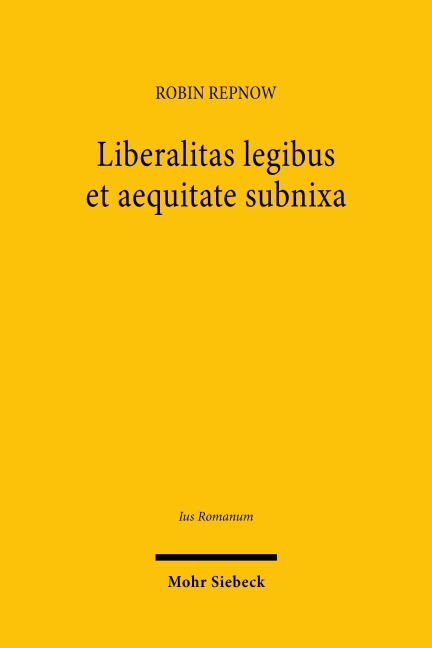
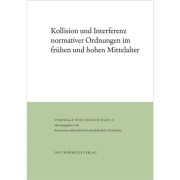
In Late Antiquity, private individuals could acquire land or other assets through acts of the emperor or the administration. These often originated from confiscations, e.g. of estates without heirs ( bona vacantia , caduca ), the property of convicted criminals ( bona damnatorum ), or ownerless slaves ( vaga mancipia ). Since the fiscus was often unable to make economically effective use of these assets, and the emperor was under political pressure to reward influential individuals, they were frequently transferred - sometimes for payment, but often free of charge. In this context, a procedure developed whereby beneficiaries could petition for an imperial grant by means of a petitio .
By analysing Late Antique imperial constitutions, the study examines this procedure, as well as the private-law status of the recipients. The analysis shows that they generally acquired ownership - even where the assets had not belonged to the fiscus . As Roman law in principle did not allow acquisition in good faith from a non-owner, this form of acquisition is best understood as one effected by sovereign act.
At the same time, it becomes clear that Late Antique emperors established nuanced and carefully considered rules and sought to achieve a fair balance of interests. A decline in legal culture, as suggested by the theory of so-called Late Antique vulgar law, cannot be observed.
Born 1993; studied law, history, and Latin studies in Heidelberg, Paris, and Frankfurt am Main; First State Examination and Bachelor of Arts in 2018; Second State Examination in 2020; Master of Arts in 2023; PhD (Heidelberg) in 2025; currently a research associate at Heidelberg University.
Einleitung
A. Hinführung: Symmachus und das Testament der Aggarea - B. Gegenstand und Ziel der Untersuchung - C. Quellenlage und Forschungsstand - D. Gang der Untersuchung - E. Methodik
§ 1 Grundlagen
A. Die Finanzverwaltung und ihr Zugriff auf das Vermögen der Untertanen - B. Rechtslage und Rechtspraxis im Prinzipat - C. Liberalitas in Geistesgeschichte und Herrschaftspraxis - D. Das Verfahren der petitio - E. Historischer Abriss: Das Verfahren der petitio von seiner Entstehung bis zu seiner Abschaffung
§ 2 Rechtsstellung der Zuweisungsempfänger im Allgemeinen
A. Hintergrund: Spätantikes Eigentum - B. Beobachtungen zur Terminologie - C. Befugnisse der Zuweisungsempfänger - D. Verhältnis mehrerer Zuweisungsempfänger zueinander - E. Ergebnis
§ 3 Zuweisungsempfänger als Kläger im Rechtsstreit mit Dritten
A. Ausgestaltung des Verfahrens - B. Prüfung der Einziehungsvoraussetzungen - C. Besonders geregelte Fälle - D. Natur des Verfahrens - E. Ergebnis
§ 4 Zuweisungsempfänger und das Herausgabeverlangen Dritter
A. Grundregel: Eigentumserwerb durch Hoheitsakt - B. Sonderfälle - C. Wechselhafte Rechtsentwicklung nach der Abschaffung der petitio - D. Annex: Eigentumszuweisung und Pfandrecht - E. Ergebnis
Schlussbetrachtung