Und dann auf "Zum Home-Bildschirm [+]".

Stöbern
genialokal zum Startbildschirm hinzufügen
Installieren Sie die genialokal App auf Ihrem Startbildschirm für einen schnellen Zugriff und eine komfortable Nutzung.
Installieren Sie die genialokal App auf Ihrem Startbildschirm für einen schnellen Zugriff und eine komfortable Nutzung.
Ihr gewünschter Artikel ist in 0 Buchhandlungen vorrätig - wählen Sie hier eine Buchhandlung in Ihrer Nähe aus:

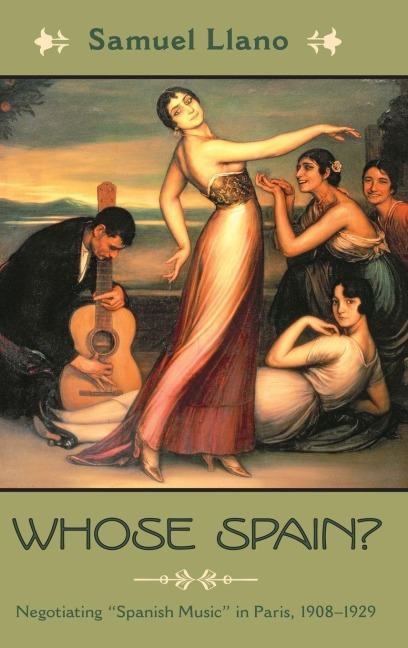
In this book, Llano analyzes the socio-political discourses underpinning critical and musicological descriptions of 'Spanish music' at the beginning of the nineteenth century and the discourse's connection with French politics and culture of the era. Llano studies operas and other musical works for the stage as privileged sites for the production of Spanish musical identities, and ultimately demonstrates that definitions of 'French' and 'Spanish' music during this period were to some extent interdependent.
Samuel Llano is a cultural historian specialised in Spanish music and theatre of the nineteenth and twentieth centuries. He has published on the presence of Spanish music and culture in Paris in the early twentieth century. His current research deals with representations of "wrongdoing" on the Spanish stage and how they intersect with notions of gender, race, and class.
- Table of Contents
- Foreword
- Introduction
- Part I: "Spanish music" as propaganda
- Chapter 1: "Spanish music" as allied propaganda
- Chapter 2: "Spanish music" as Catholic propaganda
- Part II: Negotiating French and Spanish music
- Chapter 3: Citizens or Savages?: The Spaniards in Raoul Laparra's La jota (1911)
- Chapter 4: Manuel de Falla's La vie brÃ-ve (1914) and notions of "Spanish music"
- Part III: Building the Postwar order
- Chapter 5: Domesticating Difference?: Carmen and the "French" canon in the 1920s
- Chapter 6: Showcasing Spain at the OpÃ(c)ra Comique: The homage to Falla (1928)
- Conclusions
- Bibliography