Und dann auf "Zum Home-Bildschirm [+]".

Stöbern
genialokal zum Startbildschirm hinzufügen
Installieren Sie die genialokal App auf Ihrem Startbildschirm für einen schnellen Zugriff und eine komfortable Nutzung.
Installieren Sie die genialokal App auf Ihrem Startbildschirm für einen schnellen Zugriff und eine komfortable Nutzung.
Ihr gewünschter Artikel ist in 0 Buchhandlungen vorrätig - wählen Sie hier eine Buchhandlung in Ihrer Nähe aus:

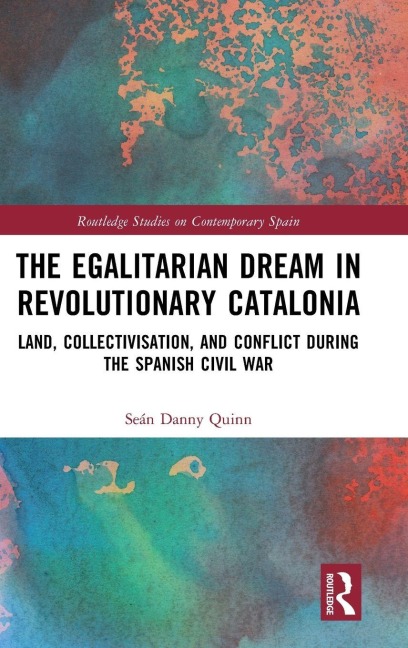
Radical initiatives to collectivise the land were defining features of the social revolution at the start of the Spanish Civil War. This book examines these agrarian collectives as integral to the upheaval that disabled the functions of the state across Catalonia, the revolution's epicentre. Using a range of original sources, it shows that the region's collectives were more extensive and diverse than previously understood and investigates the varied experiences of those who joined them. While for some the collectives represented empowering experiments in popular sovereignty and socialised work, the book also explores cases in which the principles of egalitarianism and worker self-management were undermined by internal tensions and the external pressures of war. It traces how polarised responses to the collectives intersected with broader contestations over public order and the rural economy among the region's anti-fascist organisations, deepening existing fractures within the anarchist movement. It also examines the violent rural conflicts between anarchists and rival local groups - most notably the bloody events at La Fatarella in January 1937 and the fierce suppression of the collectives after May 1937. This volume offers new perspectives on the complex dynamics of the Spanish Civil War for students and scholars of Spanish modern history.
Seán Danny Quinn is a history teacher from London. He completed his PhD as a part-time student at the LSE in 2024 under the supervision of Paul Preston. This is his first academic publication.
Introduction 1. Revolution, Reform, and Reaction Before the Outbreak of the Spanish Civil War 2. The Formation of the Agrarian Collectives in Their Revolutionary Context 3. Life in the Catalan Collectives 4. Political Responses to Agrarian Collectivisation in Catalonia: July 1936-January 1937 5. Violence and Political Conflict in Rural Catalonia: July 1936-May 1937 6. Dismantling the Revolution in the Countryside: May-December 1937 7. The Catalan Countryside in the Context of Military Defeat. Conclusion