Und dann auf "Zum Home-Bildschirm [+]".

Stöbern
genialokal zum Startbildschirm hinzufügen
Installieren Sie die genialokal App auf Ihrem Startbildschirm für einen schnellen Zugriff und eine komfortable Nutzung.
Installieren Sie die genialokal App auf Ihrem Startbildschirm für einen schnellen Zugriff und eine komfortable Nutzung.
Ihr gewünschter Artikel ist in 0 Buchhandlungen vorrätig - wählen Sie hier eine Buchhandlung in Ihrer Nähe aus:

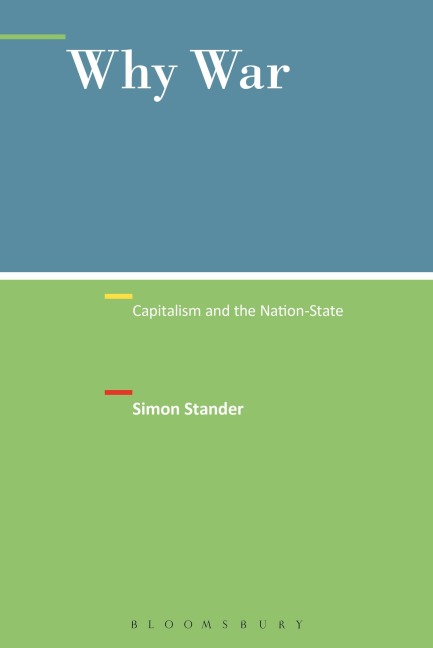
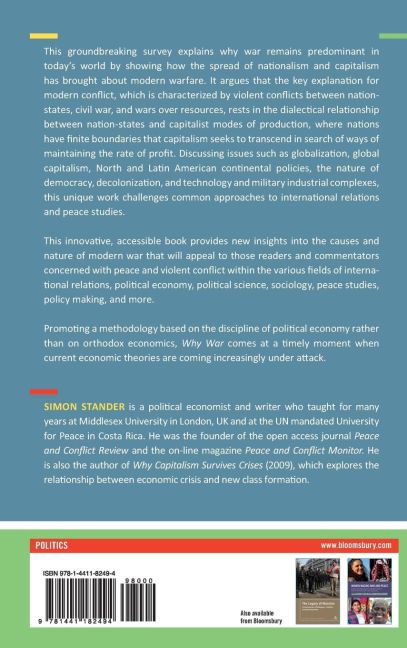
This groundbreaking survey explains why war remains predominant in today's world by showing how the spread of nationalism and capitalism has brought about modern warfare. It argues that the key explanation for modern conflict, which is characterized by violent conflicts between nation-states, civil war, and wars over resources, rests in the dialectical relationship between nation-states and capitalist modes of production, where nations have finite boundaries that capitalism seek to transcend in search of increased profits. Discussing issues such as globalization, global capitalism, North and Latin American continental policies, the nature of democracy, decolonization, and technology and military industrial complexes, this unique work challenges common approaches to international relations and peace studies.
This innovative, accessible work provides new insights into the causes and nature of modern war that will appeal to any student concerned with peace and violent conflict within the various fields of international relations, political economy, peace studies, and more.
Simon Stander is an economist and writer who taught for many years at Middlesex University in London, UK and at the UN mandated University for Peace in Costa Rica. He was the founder of the journals Peace and Conflict Review and Peace and Conflict Monitor. He is also the author of Why Capitalism Survives Crises (2009).
Acknowledgements Foreword Chapter One: Introduction Chapter Two: Why War: Approaching a Method Chapter Three: Nationalism and Nation-states Chapter Four: Capitalism Chapter Five: The Americas Chapter Six: Democracy, the 'State', War and Human Rights Chapter Seven: Military-Industrial Complexes Chapter Eight: Resource Wars Chapter Nine: End of Empires, Decolonisation and War Chapter Ten: Conclusions Bibliography Endnotes Index