Stöbern
genialokal zum Startbildschirm hinzufügen
Installieren Sie die genialokal App auf Ihrem Startbildschirm für einen schnellen Zugriff und eine komfortable Nutzung.
Installieren Sie die genialokal App auf Ihrem Startbildschirm für einen schnellen Zugriff und eine komfortable Nutzung.
Tippen Sie einfach auf Teilen:
 Und dann auf "Zum Home-Bildschirm [+]".
Ihr gewünschter Artikel ist in 0 Buchhandlungen vorrätig - wählen Sie hier eine Buchhandlung in Ihrer Nähe aus:

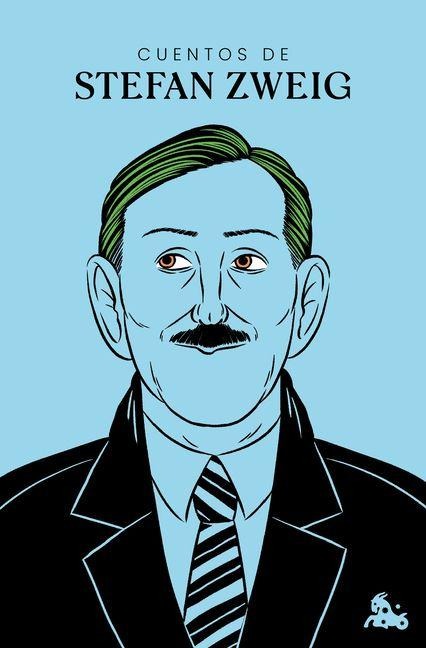
Cuatro exquisitas piezas breves de uno de los clásicos más leídos y celebrados de la literatura alemana. Conforman este volumen cuatro piezas esenciales del corpus de cuentos del escritor austríaco Stefan Zweig (Viena, 1881 - Petrópolis, Río de Janeiro, 1942). La que abre la edición, 'Sueños olvidados', narra el nostálgico reencuentro entre dos viejos amantes que compartieron un amor de juventud. 'Carta de una desconocida' refiere el contenido de la extensa misiva que un escritor recibe el día de su cumpleaños, en la que se recoge una sentida confesión de amor; mientras que las dos últimas historias ('La colección invisible' y 'Mendel, el de los libros') señalan algunas de las consecuencias del calamitoso episodio que supuso la Primera Guerra Mundial. Además, el último relato constituye una de las más bellas odas al mundo de los libros que jamás se hayan escrito. El primer relato marca el debut literario de Stefan Zweig, mientras que los tres siguientes pertenecen a los años de mayor esplendor de su carrera. Escritos en la década de 1920, cuando ya era un autor admirado en todo el mundo, revelan el talento que lo convirtió en una de las voces más importantes de la literatura europea antes de su forzado exilio.
ENGLISH DESCRIPTION Four exquisite short works by one of the most widely read and celebrated classics of German-language literature. This volume brings together four essential stories from the body of work of Austrian writer Stefan Zweig (Vienna, 1881 - Petrópolis, Rio de Janeiro, 1942). Opening the collection is "Forgotten Dreams", which tells the nostalgic story of two former lovers reunited after sharing a youthful romance. "Letter from an Unknown Woman" recounts the contents of a lengthy letter received by a writer on his birthday, containing a heartfelt confession of love. The final two stories, "The Invisible Collection" and "Mendel the Bibliophile", explore some of the consequences of the disastrous events of the First World War. The last tale is also considered one of the most beautiful tributes to the world of books ever written. The first story marks Stefan Zweig's literary debut, while the remaining three come from the height of his career. Written during the 1920s, when he was already admired throughout the world, they reveal the talent that made him one of the most important voices in European literature before his forced exile. Title published in English: Letter from an Unknown Woman and Other Stories
Stefan Zweig (Viena, 1881 - Río de Janeiro, 1942) fue uno de los escritores más polifacéticos de la primera mitad del siglo XX. De origen judío, estudió en Berlín y Viena, tras lo cual acabó viajando gran parte de su vida. Durante la Primera Guerra Mundial se trasladó a Zúrich, donde se adhirió a las causas pacifistas del escritor francés Romain Rolland. Más tarde volvió a su país, concretamente a Salzburgo, pero el nazismo le obligó a exiliarse en 1934. Así, Zweig y su segunda esposa se instalaron primero en Londres y más tarde en Brasil, donde, profundamente desilusionados por el ambiente bélico que imperaba en todo el mundo, se suicidaron en 1942. Zweig cultivó todos los géneros literarios, aunque destacó especialmente como narrador. Sus obras consideradas imprescindibles son: Novela de ajedrez, Carta de una desconocida, El mundo de ayer, Momentos estelares de la humanidad y Veinticuatro horas en la vida de una mujer. Tras décadas de relativo olvido, la obra de Stefan Zweig ha experimentado un notable resurgimiento internacional, recuperando el prestigio y la popularidad que por justicia literaria le correspondían. Stefan Zweig (Vienna, 1881 - Rio de Janeiro, 1942) was one of the most versatile writers of the first half of the twentieth century. Born into a Jewish family, he studied in Berlin and Vienna before spending much of his life traveling. During World War I, he moved to Zurich, where he embraced the pacifist ideals of French writer Romain Rolland. He later returned to Austria, settling in Salzburg, but the rise of Nazism forced him into exile in 1934. Zweig and his second wife first moved to London and later to Brazil, where, deeply discouraged by the climate of war spreading across the world, they died by suicide in 1942. Zweig wrote in virtually every literary genre, though he is best remembered as a master storyteller. His most essential works include The Royal Game, Letter from an Unknown Woman, The World of Yesterday, Decisive Moments in History, and Twenty-Four Hours in the Life of a Woman. After decades of relative neglect, Stefan Zweig's work has enjoyed a remarkable international revival, regaining the recognition and popularity it has long deserved.