
Stöbern
genialokal zum Startbildschirm hinzufügen
Installieren Sie die genialokal App auf Ihrem Startbildschirm für einen schnellen Zugriff und eine komfortable Nutzung.
Installieren Sie die genialokal App auf Ihrem Startbildschirm für einen schnellen Zugriff und eine komfortable Nutzung.
Tippen Sie einfach auf Teilen:
 Und dann auf "Zum Home-Bildschirm [+]".
Bei genialokal.de kaufen Sie online bei Ihrer lokalen, inhabergeführten Buchhandlung!
Ihr gewünschter Artikel ist in 0 Buchhandlungen vorrätig - wählen Sie hier eine Buchhandlung in Ihrer Nähe aus:

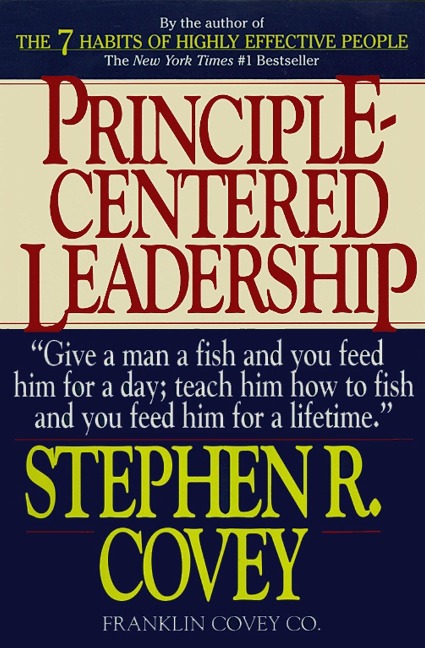
Covey, the author of the New York Times #1 bestseller The 7 Habits of Highly Effective People, has struck a chord with millions of readers with his insights into human nature and values. Now he tells them how to apply his theories to everyday life, focusing primarily on the world of business.
Recognized as one of Time magazine’s twenty-five most influential Americans, Stephen R. Covey (1932–2012) was an internationally respected leadership authority, family expert, teacher, organizational consultant, and author. His books have sold more than twenty-five million copies in thirty-eight languages, and The 7 Habits of Highly Effective People was named the #1 Most Influential Business Book of the Twentieth Century. After receiving an MBA from Harvard and a doctorate degree from Brigham Young University, he became the cofounder and vice chairman of FranklinCovey, a leading global training firm.
Contents Preface: A Principle-Centered Approach Section 1: PERSONAL AND INTERPERSONAL EFFECTIVENESS Introduction to Section 1 Chapter 1 Characteristics of Principle-Centered Leaders Chapter 2 Seven Habits Revisited Chapter 3 Three Resolutions Chapter 4 Primary Greatness Chapter 5 A Break with the Past Chapter 6 Six Days of Creation Chapter 7 Seven Deadly Sins Chapter 8 Moral Compassing Chapter 9 Principle-Centered Power Chapter 10 Clearing Communication Lines Chapter 11 Thirty Methods of Influence Chapter 12 Eight Ways to Enrich Marriage and Family Relationships Chapter 13 Making Champions of Your Children Section 2: MANAGERIAL AND ORGANIZATIONAL DEVELOPMENT Introduction to Section 2 Chapter 14 Abundance Managers Chapter 15 Seven Chronic Problems Chapter 16 Shifting Your Management Paradigm Chapter 17 Advantages of the PCL Paradigm Chapter 18 Six Conditions of Empowerment Chapter 19 Managing Expectations Chapter 20 Organizational Control Versus Self-Supervision Chapter 21 Involving People in the Problem Chapter 22 Using Stakeholder Information Systems Chapter 23 Completed Staff Work Chapter 24 Manage from the Left, Lead from the Right Chapter 25 Principles of Total Quality Chapter 26 Total Quality Leadership Chapter 27 Seven Habits and Deming's 14 Points Chapter 28 Transforming a Swamp into an Oasis Chapter 29 Corporate Constitutions Chapter 30 Universal Mission Statement Chapter 31 Principle-Centered Learning Environments Epilogue: Fishing the Stream A Personal Note Acknowledgments Index