Und dann auf "Zum Home-Bildschirm [+]".

Stöbern
genialokal zum Startbildschirm hinzufügen
Installieren Sie die genialokal App auf Ihrem Startbildschirm für einen schnellen Zugriff und eine komfortable Nutzung.
Installieren Sie die genialokal App auf Ihrem Startbildschirm für einen schnellen Zugriff und eine komfortable Nutzung.
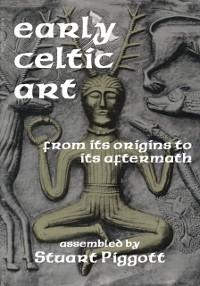
For many, perhaps most, the title Early Celtic Art summons up images of Early Christian stone crosses in Ireland, Scotland, Wales, or Cornwall; of Glendalough, lona or Tintagel; of the Ardagh Chalice or the Monymusk Reliquary; of the great illuminated gospels of Durrow or Lindisfame. But as Stuart Piggott notes, the consummate works of art produced under the aegis of the early churches in Britain or Ireland, in regions Celtic by tradition or language, have an ancestry behind them only partly Celtic. One strain in an eclectic style was borrowed from the ornament of the northern Germanic world, the classical Mediterranean, and even the Eastern churches. Early Celtic art, originating in the fifth century b.c. in Central Europe, was already seven or eight centuries old when it was last traced in the pagan, prehistoric world, and the transmission of some of its modes and motifs over a further span of centuries into the Christian Middle Ages was an even later phenomenon. This volume presents the art of the prehistoric Celtic peoples, the first great contribution of the barbarians to European arts. It is an art produced in circumstances that the classical world and contemporary societiesunhesitatingly recognize as uncivilized. Its appearance, it has been said by N. K. Sandars in Prehistoric Art in Europe: "is perhaps one of the oddest and most unlikely things to have come out of a barbarian continent. Its peculiar refinement, delicacy, and equilibrium are not altogether what one would expect of men who, though courageous and not without honor even in the records of their enemies, were also savage, cruel and often disgusting; for the archaeological refuse, as well as the reports of Classical antiquity, agree in this verdict." This book comprises the first major exhibition of Early Celtic Art from its origins and beginnings to its aftermath, and was assembled by Stuart Piggott who taught later European prehistory to Honors students in Archaeolog
Origins and Beginings; The Warriors; Horses and Chariots; Religion ano Mogie; The Hearth and the Feast; Adornment and Display; Aftermath; The Coins; List of Lenders
Dieses eBook wird im PDF-Format geliefert und ist mit einem Adobe Kopierschutz (DRM) versehen. Sie können dieses eBook mit allen Geräten lesen, die das PDF-Format und den Adobe Kopierschutz (DRM) unterstützen.
Zum Beispiel mit den folgenden Geräten:
• tolino Reader
Laden Sie das eBook direkt über den Reader-Shop auf dem tolino herunter oder übertragen Sie das eBook auf Ihren tolino mit einer kostenlosen Software wie beispielsweise Adobe Digital Editions.
• Sony Reader & andere eBook Reader
Laden Sie das eBook direkt über den Reader-Shop herunter oder übertragen Sie das eBook mit der kostenlosen Software Sony READER FOR PC/Mac oder Adobe Digital Editions auf ein Standard-Lesegeräte mit epub- und Adobe DRM-Unterstützung.
• Tablets & Smartphones
Möchten Sie dieses eBook auf Ihrem Smartphone oder Tablet lesen, finden Sie hier unsere kostenlose Lese-App für iPhone/iPad und Android Smartphone/Tablets.
• PC & Mac
Lesen Sie das eBook direkt nach dem Herunterladen mit einer kostenlosen Lesesoftware, beispielsweise Adobe Digital Editions, Sony READER FOR PC/Mac oder direkt über Ihre eBook-Bibliothek in Ihrem Konto unter „Meine eBooks“ - „online lesen“.
Schalten Sie das eBook mit Ihrer persönlichen Adobe ID auf bis zu sechs Geräten gleichzeitig frei.
Bitte beachten Sie, dass die Kindle-Geräte das Format nicht unterstützen und dieses eBook somit nicht auf Kindle-Geräten lesbar ist.