
Stöbern
genialokal zum Startbildschirm hinzufügen
Installieren Sie die genialokal App auf Ihrem Startbildschirm für einen schnellen Zugriff und eine komfortable Nutzung.
Installieren Sie die genialokal App auf Ihrem Startbildschirm für einen schnellen Zugriff und eine komfortable Nutzung.
Tippen Sie einfach auf Teilen:
 Und dann auf "Zum Home-Bildschirm [+]".
Bei genialokal.de kaufen Sie online bei Ihrer lokalen, inhabergeführten Buchhandlung!
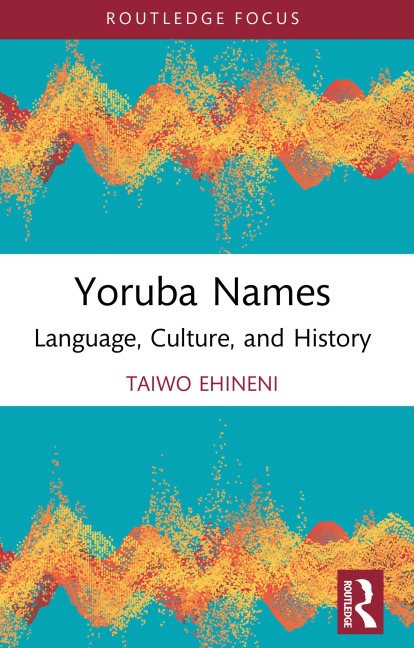
This book focuses on the naming tradition among the Yoruba, one of Africa's largest ethnic groups, consisting of over 40 million people. Investigating the sociocultural significance of names in Yoruba society, the book shows how names act as distinctive markers, separating the Yoruba out from over 250 other ethnic groups in Nigeria. These names are not just labels, but affirmations of a shared identity and heritage. Names can serve as symbolic representations of a family's history, ancestral traditions, or significant events, thereby linking the bearers to their lineage. Based on extensive qualitative data from over 100 native speakers, the book shows how names can reflect joy, sorrow, or even political stances. The book goes on to consider how names are also used in non-human contexts, such as for naming places or pets. Overall, the book paints a rich picture of the social and cultural functions of Yoruba names, and how these functions affect the ways in which names are given, received, and perceived. Unprecedented in its in-depth and nuanced analysis of Yoruba naming practices, this book will be of interest to readers in African studies, sociology, anthropology, linguistics, cultural studies, gender studies and history.
Taiwo Ehineni is a Preceptor of African Languages in the department of African and African American Studies at Harvard University, USA.
Introduction: What's in a Name? 1. The Philosophy of a Name 2. Construct, Context, and Connections: The Semiotics of Yoruba Names 3. Naming as Act and Art: A Synthesis 4. Theorizing Names: Moving Beyond Western-Centric Models Chapter 1: Yoruba Naming and Meaning 1. Introduction: The Cultural Weight of a Name 2. The Pragmatic Theory of Properhood (TPTP): A Critical Review 3. Meaning in Yoruba Names: Beyond Referentiality *3.1 Denotation: Literal Meaning (Revisited) *3.2 Connotation: Cultural and Historical Meanings *3.3 Perspectivization: The Individual and Negotiated Meaning *3.4.Subversion and Re-semanticization: Turning Meaning on its Head 4. Conclusion: Reconsidering the Nature of Meaning in Proper Names Chapter 2: Personal Names: Constructing Identities and Narrating Social Experiences 1. Introduction: Names as Sites of Identity Construction 2. The Naming Context Among the Yoruba: A Socio-Cultural Ritual 3. Factors Motivating the Choice of Names: A *3.1 Family Situation or Parents' Experiences *3.2 Birth Circumstances *3.3 Birth Order *3.4 Sex *3.5 Religion *3.6 Profession *3.7 Death Situation 4. Conclusion: Names as Dynamic Narratives of Self Chapter 3: Oríkì: Praising Destiny, Constructing Identities in Yoruba Culture 1. Introduction: Oríkì as a Cultural and Linguistic Phenomenon 2. The Concept of Orí: Foundations of Yoruba Identity and Destiny 3. Oríkì as a Verbal Instantiation of Orí: Performance and Power 4. Types of Oríkì: Exploring Specific Forms * 4.1 Oríkì Àbís- (Attributive Personal Praise Names) * 4.2 Oríkì Orílé (Totemic Praise Names) * 4.3 Oríkì Àlàjé- (Praise Nicknames) 5. Conclusion: Reconsidering the Nature of Meaning in Proper Names Chapter 4: Place Names: Language and History 1. Introduction: Place Names as Embodied Histories and Ecological Markers 2. Yoruba Toponyms: A Tapestry of History, Ecology, and Social Life * 2.1 Flora Toponyms * 2.2 Hill Toponyms * 2.3 Hydro-Toponyms * 2.4 Topographic-Color Descriptive Toponyms * 2.5 Stone Toponyms and Forest Toponyms * 2.6 War-related Toponyms * 2.7 Agro-Toponyms * 2.8 Place names based on environmental changes 3. Conclusion Chapter 5: Pet Names: Language, Resistance, and Protest 1. Introduction: Naming as Resistance and Protest 2. The Yorubas and the Pet Culture 3. Pet Naming and Linguistic Creativity in Yoruba Culture: The Art of Subversion 4. Yoruba Pet Names: Sites of Resistance and Social Commentary * 4.1 Pet Names and Protest in Family Matters * 4.2 Pet Names and Protest in Communal Situations: Navigating Power and Conflict * 4.3 Pet Names and Protest in National Politics: Voicing Dissent 5. Conclusion Chapter 6: Hair Names: Language and Women's Agency 1. Introduction: Hair as a Site of Agency and Cultural Commentary 2. Hairstyling in Yoruba Culture 3. The Poetics of Plaiting: Creativity and Complexity in Yoruba Hairstyles Names 4. Crowning Glory: Hairstyle Names as Women's Agency and Individuality 5. Conclusion Chapter 7: Building Names: Language and Politics 1. Introduction 2. Architecture as a Reflection of Cultural Identity 3. Renaming of Buildings and Political Ideology 4. Building Names and the Politics of Prestige and Donations 5. Conclusion Conclusion: Everything Can Be in a Name: Reimagining Onomastics Beyond Referentiality 1. From Question to Affirmation: Reframing the Scope of Onomastics 2. Beyond Referentiality: A Multidimensional Understanding of Naming 3. Naming as a Performativity and Power: Reconsidering Agency 4. Towards a Culturally Sensitive Onomastics: New Orientations and Methodologies 5. Future Directions: Opening New Avenues for Inquiry Index
Dieses eBook wird im PDF-Format geliefert und ist mit einem Adobe Kopierschutz (DRM) versehen. Sie können dieses eBook mit allen Geräten lesen, die das PDF-Format und den Adobe Kopierschutz (DRM) unterstützen.
Zum Beispiel mit den folgenden Geräten:
• tolino Reader
Laden Sie das eBook direkt über den Reader-Shop auf dem tolino herunter oder übertragen Sie das eBook auf Ihren tolino mit einer kostenlosen Software wie beispielsweise Adobe Digital Editions.
• Sony Reader & andere eBook Reader
Laden Sie das eBook direkt über den Reader-Shop herunter oder übertragen Sie das eBook mit der kostenlosen Software Sony READER FOR PC/Mac oder Adobe Digital Editions auf ein Standard-Lesegeräte mit epub- und Adobe DRM-Unterstützung.
• Tablets & Smartphones
Möchten Sie dieses eBook auf Ihrem Smartphone oder Tablet lesen, finden Sie hier unsere kostenlose Lese-App für iPhone/iPad und Android Smartphone/Tablets.
• PC & Mac
Lesen Sie das eBook direkt nach dem Herunterladen mit einer kostenlosen Lesesoftware, beispielsweise Adobe Digital Editions, Sony READER FOR PC/Mac oder direkt über Ihre eBook-Bibliothek in Ihrem Konto unter „Meine eBooks“ - „online lesen“.
Schalten Sie das eBook mit Ihrer persönlichen Adobe ID auf bis zu sechs Geräten gleichzeitig frei.
Bitte beachten Sie, dass die Kindle-Geräte das Format nicht unterstützen und dieses eBook somit nicht auf Kindle-Geräten lesbar ist.