Und dann auf "Zum Home-Bildschirm [+]".

Stöbern
genialokal zum Startbildschirm hinzufügen
Installieren Sie die genialokal App auf Ihrem Startbildschirm für einen schnellen Zugriff und eine komfortable Nutzung.
Installieren Sie die genialokal App auf Ihrem Startbildschirm für einen schnellen Zugriff und eine komfortable Nutzung.
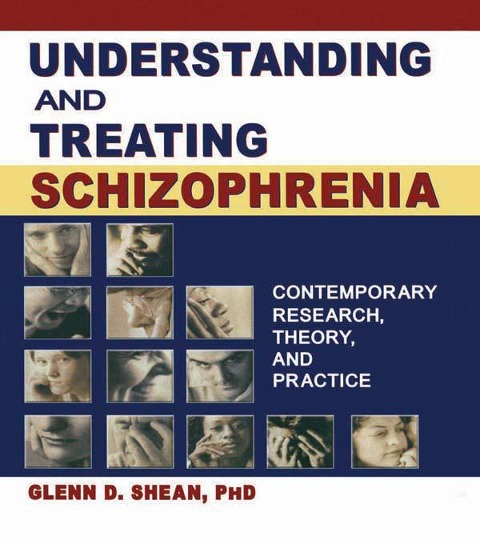
Get a fair and balanced perspective on schizophrenia! Understanding and Treating Schizophrenia: Contemporary Research, Theory, and Practice is a comprehensive overview of schizophrenia and its treatment from a variety of approaches. The book presents a balanced look at the most influential theoretical perspectives based on empirical research, clinical descriptions, and narrative histories. Dr. Glenn Shean, author of Schizophrenia: An Introduction to Research and Theory, examines neurocognitive and neurodevelopmental models of brain dysfunction, psychodynamic and family factors, up-to-date pharmacological advances, and successful community programs for discharged patients suffering from this debilitating disorder. Understanding and Treating Schizophrenia: Contemporary Research, Theory, and Practice presents a comprehensive review of evidence concerning the epidemiology and course and outcome of schizophrenia based on theoretical groupings and levels of analysis. The book examines the evolution of diagnostic criteria and guidelines, as well as stress-vulnerability and diathesis-stress models, providing critical reviews of biological, genetic, cognitive-behavioral, and phenomenological, approach to understanding and treating schizophrenia. Topics addressed in Understanding and Treating Schizophrenia: Contemporary Research, Theory, and Practice include: - the history of the concept of schizophrenia - the writings of Emil Kraepelin and Eugene Bleuler - changes in diagnostic guidelines in the last 50 years - General System Theory Perspective - diagnostic and statistical manuals - Schneider's first rank symptoms - and much more! Understanding and Treating Schizophrenia: Contemporary Research, Theory, and Practice is an essential resource for undergraduate and graduate students working in psychology, psychiatry, nursing, social work, and social policy.
Terry S Trepper, Glenn D Shean
* Preface * Section I: The development, Evolution, Epidemiology, and Subsyndromes of Schizophrenia * Chapter 1. History of the Concept of Schizophrenia * The Premodern Period * The Nineteenth Century * Origins of the Concept of Schizophrenia * Emil Kraepelin * Adolph Meyer * Eugen Bleuler * Summary * Chapter 2. Evolving Diagnostic Criteria * Diagnosing Schizophrenia * DSM-I * DSM-II * Problems with Diagnostic Reliability * European Diagnostic Efforts * Research Definitions * DSM-III * DSM-IV * Reliability and Validity * Summary * Chapter 3. Epidemiology, Course, and Outcome * Prevalence and Incidence * Phases of Schizophrenia * Long-Term Outcome * Positive and Negative Symptoms * Symptom and Premorbid Predictors of Outcome * Schizophrenia and Comorbid Substance Use * The Role of Culture in Outcome: The WHO International Pilot Study of Schizophrenia (IPSS) * Summary * Chapter 4. Language, Thought, and Syndromes of Schizophrenia * Delusions? * Categories of Symptoms * Summary * Section II. Integrative Models and Level of Analysis * Chapter 5. Vulnerability-Stress Models * A -Two-Hit- Biological Model of Diathesis-Stress * Vulnerability * Stress * Summary * Chapter 6. Epistemology, General Systems Theory, and Schizophrenia * General Systems Theory * Summary * Section III. Biological Perspectives * Chapter 7. Genetics and Schizophrenia * Genetic Models * The Nature of Genetic Influence * Concordance Research * Basic Genetic Research * Summary * Chapter 8. Neurobiological Models and Research * Studies of Specific Brain Abnormalities * Neurobiological Modular Systems and Clusters of Schizophrenia Symptoms * Cognitive Dysmetria * Modular Disjunction * Dysfunctions in Interrelated Systems and Symptom Clusters * Summary * Chapter 9. Antipsychotic Medications and Neurochemical Theories * Efficacy of Typical Antipsychotics * The Dopamine Hypothesis * Atypical Antipsychotics * The Hyperdopaminergic Hypothesis and Glutamate * Schizophrenia: A Neurotransmitter Imbalance Syndrome? * Summary * Section IV. Cognitive-Behavioral, Neurocognitive, and Neurodevelopmental Research * Chapter 10. Neurocognitive and Neurodevelopmental Research * Neurocognitive Indicators of Vulnerability * Neurodevelopmental Precursors to Clinical Symptoms * Therapies for Neurocognitive Deficits * Summary * Chapter 11. Cognitive-Behavioral Approaches and Therapies * Applied Behavioral Analysis * The Cognitive-Behavioral Approach * Broad-Spectrum Cognitive Therapy * Symptom-Focused Cognitive Interventions * Social Cognition and Schizophrenia * Cognitive-Behavioral Intervention Programs Tailored to Symptom Phase * Personal Therapy (PT): A Disorder-Relevant Therapy * Summary * Section V. Psychodynamic, Phenomenological, and Family-Based Theories * Chapter 12. Psychodynamic Theories: The Role of Early Experience * Background * Sullivan's Interpersonal Theory * The Kleinian School * Margaret Mahler * Object Relations and Delusions * Robbins Hierarchical Systems/Psychoanalytical Model * Contemporary Psychodynamic Therapies * Summary * Chapter 13. Phenomenology and Schizophrenia * Delusions and the Relationship to the Outer World * The Process of Delusion Formation * Schizophrenic and Nonschizophrenic Delusions * Daseinanalysis * Summary * Chapter 14. Schizophrenia and the Family * Murray Bowen and the Washington Group * Theodore Lidz and the Yale Group * Y.O. Alanen and Finnish Family Research * The Palo Alto Group-Jackson, Bateson, Haley, Weakland, Satir, and Watzlawick * Experimental Family Studies-Mishler and Waxler * The Rochester Research Group-Wynne and Singer * Summary * Section VI. Psychodynamic, Phenomenological,
Dieses eBook wird im PDF-Format geliefert und ist mit einem Adobe Kopierschutz (DRM) versehen. Sie können dieses eBook mit allen Geräten lesen, die das PDF-Format und den Adobe Kopierschutz (DRM) unterstützen.
Zum Beispiel mit den folgenden Geräten:
• tolino Reader
Laden Sie das eBook direkt über den Reader-Shop auf dem tolino herunter oder übertragen Sie das eBook auf Ihren tolino mit einer kostenlosen Software wie beispielsweise Adobe Digital Editions.
• Sony Reader & andere eBook Reader
Laden Sie das eBook direkt über den Reader-Shop herunter oder übertragen Sie das eBook mit der kostenlosen Software Sony READER FOR PC/Mac oder Adobe Digital Editions auf ein Standard-Lesegeräte mit epub- und Adobe DRM-Unterstützung.
• Tablets & Smartphones
Möchten Sie dieses eBook auf Ihrem Smartphone oder Tablet lesen, finden Sie hier unsere kostenlose Lese-App für iPhone/iPad und Android Smartphone/Tablets.
• PC & Mac
Lesen Sie das eBook direkt nach dem Herunterladen mit einer kostenlosen Lesesoftware, beispielsweise Adobe Digital Editions, Sony READER FOR PC/Mac oder direkt über Ihre eBook-Bibliothek in Ihrem Konto unter „Meine eBooks“ - „online lesen“.
Schalten Sie das eBook mit Ihrer persönlichen Adobe ID auf bis zu sechs Geräten gleichzeitig frei.
Bitte beachten Sie, dass die Kindle-Geräte das Format nicht unterstützen und dieses eBook somit nicht auf Kindle-Geräten lesbar ist.