Und dann auf "Zum Home-Bildschirm [+]".

Stöbern
genialokal zum Startbildschirm hinzufügen
Installieren Sie die genialokal App auf Ihrem Startbildschirm für einen schnellen Zugriff und eine komfortable Nutzung.
Installieren Sie die genialokal App auf Ihrem Startbildschirm für einen schnellen Zugriff und eine komfortable Nutzung.

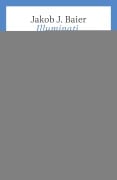
Once the province of film and media scholars, today the moving image is of broad concern to historians of art and architecture and designers of everything from websites to cities. As museums and galleries devote increasing space to video installations which no longer presuppose a fixed viewer, urban space becomes envisioned and planned through "fly throughs," and technologies such as GPS add data to the experience of travel, moving images have captured the attention of geographers and scholars across the humanities and social sciences. Their practice of "mobility studies" is remaking how we understand a contemporary world in relentless motion. Media theorist and historian Anne Friedberg (1952-2009) was among the first practitioners of visual studies to theorize the experience of vision in motion. Her books have become key points of reference in the discussion of the windows that frame images and the viewers in motion who perceive them. Although widely influential beyond her own discipline, Friedberg's work has never been the subject of an extended study. The Moving Eye: Film, Television, Architecture, Visual Art and the Modern gathers together essays by renowned thinkers in media studies, art history, architecture, and museum studies to consider the rich implications of her work for understanding film and video, new media, visual art, architecture, exhibition design, urban space, and virtual reality. Ranging from early cinema, to works by Le Corbusier, Sergei Eisenstein, Gordon Matta-Clark, and Pierre Huyghe, to theories of the image in motion informed by psychoanalysis, theories of the public sphere, and animal studies, each of the nine essays in the book advances the lines of inquiry commenced by Friedberg.
Edward Dimendberg is Professor of Humanities and European Languages at the University of California, Irvine. He is the principal of Dimendberg Consulting LLC.
Introduction: Edward Dimendberg Chapter 1. Moving Through Friedberg's Properly Adjusted Virtual Window: Tom Gunning Chapter 2. Psychoanalysis Discovers Film Theory: Anne Friedberg and Close Up: Christa Blümlinger Chapter 3. Nicholas Ray's We Can't Go Home Again: Multiple Windows in a Delirious Time Machine: Patricia Pisters Chapter 4. The Eisenstein Effect: Architecture and Narrative Montage in Eisenstein and Le Corbusier: Anthony Vidler Chapter 5. Max Ophuls and Instant Messaging: Reframing Cinema and Publicness: Miriam Hansen Chapter 6. The Open Box: Umberto Eco, Achille Castiglioni and the Architecture of Television: Sylvia Lavin Chapter 7. Windows on a Broken World: Gordon Matta-Clark's photographs of public housing in New York: Gwendolyn Owens Chapter 8. Sites of Screening: Cinema, Museum, and the Art of Projection: Giuliana BrunoChapter 9. Humans becoming Animals: On Sensorimotor Affection: Gertrud Koch Bibliography of Writings by Anne Friedberg Contributor BiographiesIndex
Dieses eBook wird im PDF-Format geliefert und ist mit einem Adobe Kopierschutz (DRM) versehen. Sie können dieses eBook mit allen Geräten lesen, die das PDF-Format und den Adobe Kopierschutz (DRM) unterstützen.
Zum Beispiel mit den folgenden Geräten:
• tolino Reader
Laden Sie das eBook direkt über den Reader-Shop auf dem tolino herunter oder übertragen Sie das eBook auf Ihren tolino mit einer kostenlosen Software wie beispielsweise Adobe Digital Editions.
• Sony Reader & andere eBook Reader
Laden Sie das eBook direkt über den Reader-Shop herunter oder übertragen Sie das eBook mit der kostenlosen Software Sony READER FOR PC/Mac oder Adobe Digital Editions auf ein Standard-Lesegeräte mit epub- und Adobe DRM-Unterstützung.
• Tablets & Smartphones
Möchten Sie dieses eBook auf Ihrem Smartphone oder Tablet lesen, finden Sie hier unsere kostenlose Lese-App für iPhone/iPad und Android Smartphone/Tablets.
• PC & Mac
Lesen Sie das eBook direkt nach dem Herunterladen mit einer kostenlosen Lesesoftware, beispielsweise Adobe Digital Editions, Sony READER FOR PC/Mac oder direkt über Ihre eBook-Bibliothek in Ihrem Konto unter „Meine eBooks“ - „online lesen“.
Schalten Sie das eBook mit Ihrer persönlichen Adobe ID auf bis zu sechs Geräten gleichzeitig frei.
Bitte beachten Sie, dass die Kindle-Geräte das Format nicht unterstützen und dieses eBook somit nicht auf Kindle-Geräten lesbar ist.