Und dann auf "Zum Home-Bildschirm [+]".

Stöbern
genialokal zum Startbildschirm hinzufügen
Installieren Sie die genialokal App auf Ihrem Startbildschirm für einen schnellen Zugriff und eine komfortable Nutzung.
Installieren Sie die genialokal App auf Ihrem Startbildschirm für einen schnellen Zugriff und eine komfortable Nutzung.
Ihr gewünschter Artikel ist in 0 Buchhandlungen vorrätig - wählen Sie hier eine Buchhandlung in Ihrer Nähe aus:

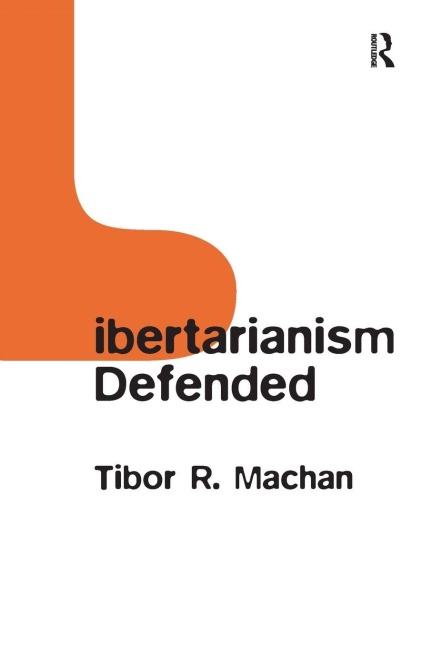
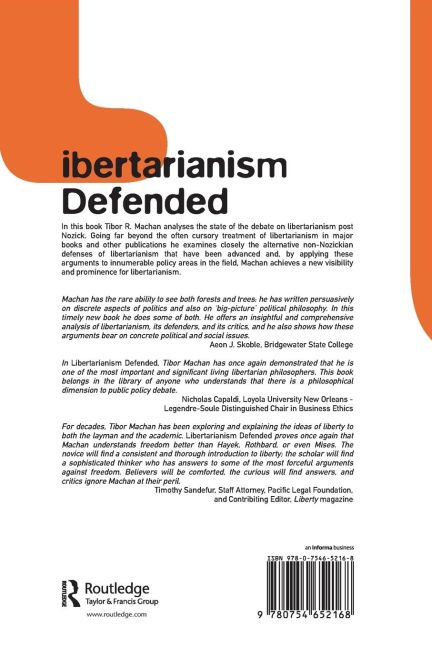
Ever since the publication in 1974 of Robert Nozick's Anarchy, State, and Utopia, libertarianism has been much discussed within political philosophy, science and economy circles. Yet libertarianism has been so strongly identified with Nozick's version of it that little attention has been devoted to other than Nozick's ideas and arguments. While Nozick's version of libertarianism has preoccupied the academic discussion Nozick himself did not respond to the many criticisms raised and yet other defenders of libertarianism have not remained silent. Jan Narveson, Loren Lomasky, Eric Mack, Douglas Rasmussen, Douglas Den Uyl and many others have contributed impressive arguments of their own in support of the libertarian idea that a political system is just when it successfully secures the rights of individuals understood within the Lockean classical liberal tradition. In this book Tibor R. Machan analyses the state of the debate on libertarianism post Nozick. Going far beyond the often cursory treatment of libertarianism in major books and other publications he examines closely the alternative non-Nozickian defenses of libertarianism that have been advanced and, by applying these arguments to innumerable policy areas in the field, Machan achieves a new visibility and prominence for libertarianism.
Tibor R. Machan is R. C. Hoiles Professor of Business Ethics and Free Enterprise at Chapman University in Orange, California, USA. He teaches at Chapman University's Argyros School of Business and Economics and is a research fellow at the Hoover Institution, Stanford University, California, USA.
Contents: Preface; Introduction. Individualism and Liberty: Is it responsible to be free?; The principles of the declaration: here to stay?; Justice, Self and Natural Rights; Individualism and the vitality of community life; Economics and human values; Finding the rational man; A positive libertarian view of government; Libertarianism and atomistic individualism. Libertarianism Per Se: Anarchists and minarchists: allies after all?; Robert Nozick and the libertarian alternative; Will technology make us free?; How critical is critical legal studies?; Should you apologize?; Between parent and child; Should hazardous goods be banned?. Hard and Soft Statism: The ideology of death that will not die; Libertarianism and conservatism; Socialism redux on the horizon; Two philosophers skeptical of negative liberty; Does libertarianism imply the welfare state?; Democracy in public affairs and corporate management. Conclusion: Dependence of equality on liberty; Why agreement isn't enough; Against Fairness; Epilogue. Index.