Und dann auf "Zum Home-Bildschirm [+]".

Stöbern
genialokal zum Startbildschirm hinzufügen
Installieren Sie die genialokal App auf Ihrem Startbildschirm für einen schnellen Zugriff und eine komfortable Nutzung.
Installieren Sie die genialokal App auf Ihrem Startbildschirm für einen schnellen Zugriff und eine komfortable Nutzung.
Ihr gewünschter Artikel ist in 0 Buchhandlungen vorrätig - wählen Sie hier eine Buchhandlung in Ihrer Nähe aus:

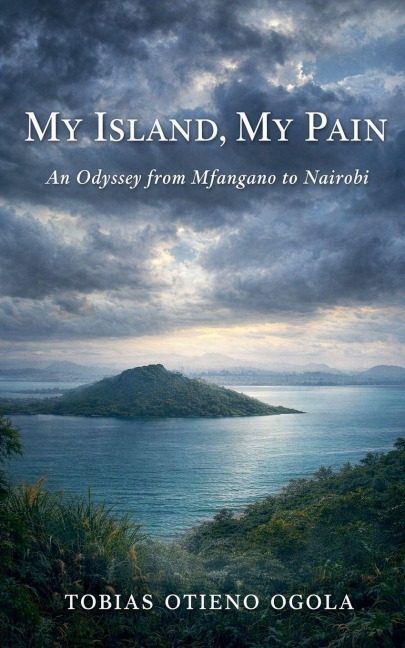
My Island, My Pain is an epic chronicle of loss, betrayal, endurance, and self-discovery, tracing the turbulent life of Atobi amid the gradual collapse of a family undone by desire, manipulation, and grief. The narrative begins with his father, Richard, a disciplined and enterprising man whose labor transforms water into wealth and vision into stability. Through boats, fishing, and a thriving general shop, Richard builds prosperity, respect, and comfort for his household. At the heart of this success is his first wife, Janet, barren yet dignified, carrying the quiet anguish of childlessness. Though devoted, she senses Richard's yearning for an heir, a longing that leaves a silent wound. Into this vulnerability steps Grace, calculated, entitled, and perceptive, enticing Richard and exploiting his desire for continuity and legacy. Recognizing her barrenness and unwilling to face humiliation or rivalry, Janet leaves a resigned act of self-preservation. With Janet gone, Grace becomes Richard's second wife, and the union marks the start of profound misfortune. Grace possesses an innate skill for manipulating men, offering Richard hope for children and legacy while positioning herself for dominance. Under the influence of her brother, Odero, and her mother, Nyakaswanga, she gradually turns against him. Together, they orchestrate the systematic squandering of Richard's wealth. Years of labor collapse under deception, extravagance, and calculated exploitation. Grace's infidelity and emotional manipulation erode Richard's confidence, identity, and authority, leaving him emotionally and financially broken. The family's decline accelerates with the tragic death of Richard's son, Sila, from complicated malaria. Delayed care, traditional medicine, and hospital strikes culminate in loss. Overwhelmed, Richard retreats to Siro Island, leaving Grace and the children behind in a home stripped of warmth and guidance. Grace's neglect intensifies; she squanders what remains of the family's wealth, offering control without care, authority without affection. Any hope of reconciliation with Richard dies; the bond is irreparably shattered. The children, especially Atobi, endure instability, displacement, and emotional deprivation. Relocation to Hama Island deepens the sense of rootlessness. Grace's increasing control and performative religiosity widen the emotional rift rather than heal it. Amid this chaos, Atobi finds refuge in education. Books and discipline become his sanctuary, and academic excellence his quiet rebellion against a legacy of dysfunction. Later, abandoned again and sent to live with a cousin under harsh conditions, he endures with resolve. Each hardship strengthens his character; each betrayal sharpens his determination. Ultimately, My Island, My Pain is more than a tale of familial collapse. It meditates on power, desire, betrayal, and the resilience forged through suffering. Atobi's journey demonstrates that even amid loss, manipulation, and emotional ruin, a determined spirit can rise unyoked from inherited pain and shape a future defined by hard-won strength, wisdom, and self-authorship.
Tobias Otieno Ogola is a socal genus and Kenyan author,Ass. Researcher, and nursing officer raised in Takawiri Island in Mbita Sub-County, Homa Bay County. Born in 2002, he demonstrated academic excellence from an early age, ranking top student at Takawiri Primary School and later at Mbita High School amongst top students , where he graduated in 2019. In 2024, Tobias earned a Bachelor of Science in Nursing (BScN) from the University of Nairobi. At 23, he has already established himself as a multifaceted professional, balancing his roles in healthcare and research with a prolific writing career. His work spans drama, social commentary, and philosophical essays, reflecting his dedication to both his profession and his passion for exploring complex societal issues through literature. Tobias's publications include My Island, My Pain, The Forgotten Man: How Society Failed the Man (Boychild), One Devil, Different Gods, One Earth, The Untamable Jackal, The Eternal Covenant: Rediscovering the Sacred Nature of Love and Marriage, Betrayed by the System, The Knights of Africa and others. These works address the struggles of human identity, relationships, and societal challenges, aiming to provoke thought and inspire meaningful change. Through his academic and literary pursuits, Tobias continues to contribute valuable insights to the conversations on cultural, social, and personal transformation.