Und dann auf "Zum Home-Bildschirm [+]".

Stöbern
genialokal zum Startbildschirm hinzufügen
Installieren Sie die genialokal App auf Ihrem Startbildschirm für einen schnellen Zugriff und eine komfortable Nutzung.
Installieren Sie die genialokal App auf Ihrem Startbildschirm für einen schnellen Zugriff und eine komfortable Nutzung.
Ihr gewünschter Artikel ist in 0 Buchhandlungen vorrätig - wählen Sie hier eine Buchhandlung in Ihrer Nähe aus:

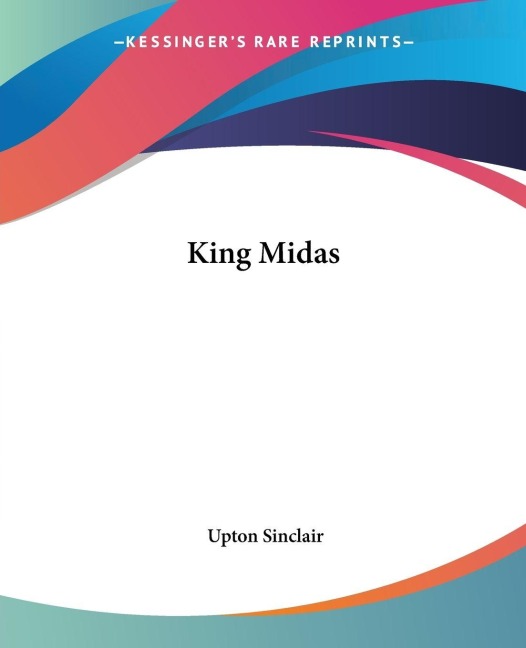
King Midas is a novel by Upton Sinclair that tells the story of a wealthy and powerful businessman named James Madison Cardigan, who is known as ""King Midas"" for his ability to turn everything he touches into gold. Cardigan is a ruthless and ambitious man who will stop at nothing to increase his wealth and power, even if it means sacrificing his own family and friends. The novel is set in the early 20th century and explores themes of greed, corruption, and the destructive effects of capitalism. It follows Cardigan's rise to power and his eventual downfall, as he becomes embroiled in a scandal involving a corrupt politician and a railroad company. Throughout the book, Sinclair uses vivid and detailed descriptions to paint a picture of the world of the wealthy elite, as well as the struggles of the working-class people who are exploited by them. He also delves into the psychology of Cardigan, exploring the motivations behind his actions and the toll they take on his mental and emotional well-being. Overall, King Midas is a compelling and thought-provoking novel that offers a scathing critique of the excesses of capitalism and the corrupting influence of power. It is a must-read for anyone interested in the history of American business and politics, as well as those who are concerned about the ongoing struggle for economic justice and equality.The arrangement, it is scarcely necessary to say, pleased Helen very much indeed; the atmosphere of luxury and easy superiority which she found at her aunt's was much to her taste, and she looked forward to being a center of attraction there with the keenest delight. In the meantime, however, she slaked her thirst for happiness just as well at Oakdale, accepting with queenly grace the homage of all who came to lay their presents at her feet. Sunday proved to be a day of triumph, for all the town had come to church, and was as much stirred by the glory of her singing as Arthur had predicted. After the service everyone waited to tell her about it, and so she was radiant indeed.This scarce antiquarian book is a facsimile reprint of the old original and may contain some imperfections such as library marks and notations. Because we believe this work is culturally important, we have made it available as part of our commitment for protecting, preserving, and promoting the world's literature in affordable, high quality, modern editions, that are true to their original work.
Upton Sinclair (1878-1968) was an American novelist, journalist, and social reformer whose writings exposed corruption, inequality, and abuses of power. He wrote more than ninety books across many genres, but he is best remembered for The Jungle, the groundbreaking novel that brought national attention to the conditions of Chicago's meatpacking industry.A lifelong advocate for social change, Sinclair used his writing as a tool for investigating and challenging injustice. His works on labor, politics, and corporate influence made him one of the most prominent American muckrakers of the Progressive Era, and his influence on journalism and reform movements remains significant.