Und dann auf "Zum Home-Bildschirm [+]".

Stöbern
genialokal zum Startbildschirm hinzufügen
Installieren Sie die genialokal App auf Ihrem Startbildschirm für einen schnellen Zugriff und eine komfortable Nutzung.
Installieren Sie die genialokal App auf Ihrem Startbildschirm für einen schnellen Zugriff und eine komfortable Nutzung.
Ihr gewünschter Artikel ist in 0 Buchhandlungen vorrätig - wählen Sie hier eine Buchhandlung in Ihrer Nähe aus:

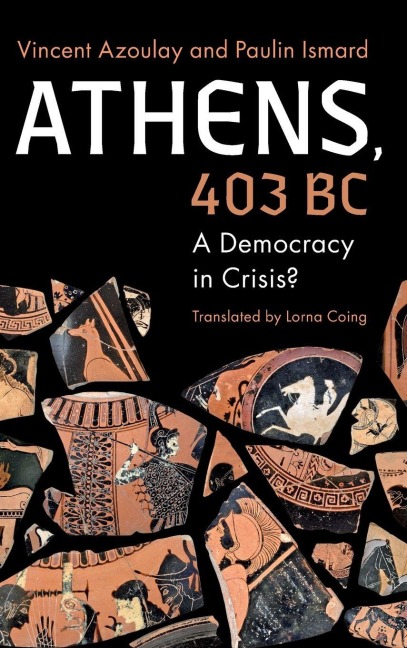
At the end of the fifth century BC, the Peloponnesian War resulted in Athens' shattering defeat by Sparta. Taking advantage of the debacle, a commission of thirty Athenians abolished the democratic institutions that for a century had governed the political life of the city and precipitated a year-long civil war. By autumn 403 BC, democracy was restored. Inspired by the model of the ancient chorus, this strikingly innovative book interprets a crucial moment in classical history through the prism of ten remarkable individuals and the shifting groups which formed around them. The former include more familiar names like the multifaceted Sokrates, the oligarch Kritias and the rhetorician Lysias, but also lesser-known figures like the scribe Nikomachos, the former slave Gerys and the priestess Lysimakhe. What leads a community to tear itself apart, even disintegrate, then rebuild itself? This question, explored through profound reflection on the past, echoes our tormented present.
VINCENT AZOULAY is Director of Studies at the École des Hautes Études en Sciences Sociales, Paris. He is a former member of the Institut Universitaire de France and the current director of the international bilingual journal of the Annales. Histoire, Sciences Sociales. He has been awarded several prizes, including the Prix du livre d'histoire du Sénat (2011). He is the author of several books already translated in English: Pericles of Athens (2014), The Tyrant-Slayers of Ancient Athens (2017) and Xenophon and the Graces of Power (2018).
Introduction. Towards a choral history; 1. Critias and the oligarchs; 2. Thrasybulus and the democratic resistance; 3. Archinus or the victory of the 'moderates'; 4. Socrates and the voices of neutrality; 5. Lysimache: the priestess of Athena and her doubles; 6. Eutherus and the precarious workers; 7. Hegeso or the family torn asunder; 8. Gerys and the world of the merchant agora; 9. Nicomachus and the servants of the city; 10. Lysias, a multi-faceted man; Conclusion. The city in chorus.