Und dann auf "Zum Home-Bildschirm [+]".

Stöbern
genialokal zum Startbildschirm hinzufügen
Installieren Sie die genialokal App auf Ihrem Startbildschirm für einen schnellen Zugriff und eine komfortable Nutzung.
Installieren Sie die genialokal App auf Ihrem Startbildschirm für einen schnellen Zugriff und eine komfortable Nutzung.
Ihr gewünschter Artikel ist in 0 Buchhandlungen vorrätig - wählen Sie hier eine Buchhandlung in Ihrer Nähe aus:

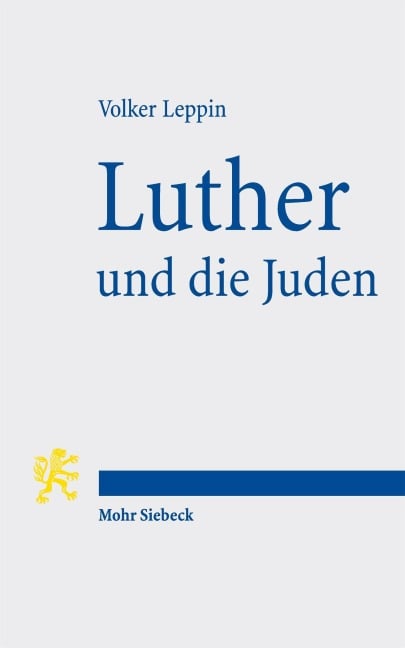
Volker Leppin addresses the much-debated question of Luther's attitude toward the Jews by situating it within late medieval theology and exegesis. He embeds this issue in the theological discourse of the late Middle Ages and highlights the importance of exegetical tradition. Drawing on the Psalms exegesis, he demonstrates how, since the 14th century, Christian theologians - engaging with Jewish interpretation - developed proto-humanistic forms of understanding that Luther could take up and continue. His early exegetical remarks thus appear as part of a continuous tradition. The author places special emphasis on the close connection between Luther's anti-Jewish polemics and his intra-Christian criticism. The expansion of this criticism into opposition to the papacy allows for a new explanation of Luther's seemingly more tolerant statements in the 1520s: his own theological and legal marginalization led him to refrain temporarily from discriminatory practices. The absence of genuine solidarity explains why, in the final phase of his work, anti-Jewish polemics and papal critique once again converged. Finally, Volker Leppin reflects on the reception of Luther's stance - from interpretations during the Third Reich to the Reformation Jubilee - and distinguishes religious anti-Judaism from racial antisemitism through the analytical category of "proto-antisemitism."
Born 1966; studied Protestant Theology; 1994 PhD; 1997 habilitation; 2000-10 Chair of Church History in Jena; 2010-21 Chair of Church History in Tübingen; Horace Tracy Pitkin Professor of Historical Theology at Yale Divinity School.
Einleitung
1. Exegetischer Antijudaismus im späten Mittelalter
2. Martin Luther: Gegen Juden und falsche Christen
3. Christliche Wahrnehmung des Judentums um 1600
4. "Dass Jesus Christus ein geborener Jude sei": Antijudaismus in freundlichem Gewand 1523
5. Hass, Polemik und theologische Reflexion - Luthers späte antijüdische Schriften
6. Im Schatten des Holocaust: Zum Umgang mit Luthers antijüdischen Schriften in der Gegenwart
Ausblick