Und dann auf "Zum Home-Bildschirm [+]".

Stöbern
genialokal zum Startbildschirm hinzufügen
Installieren Sie die genialokal App auf Ihrem Startbildschirm für einen schnellen Zugriff und eine komfortable Nutzung.
Installieren Sie die genialokal App auf Ihrem Startbildschirm für einen schnellen Zugriff und eine komfortable Nutzung.
Ihr gewünschter Artikel ist in 0 Buchhandlungen vorrätig - wählen Sie hier eine Buchhandlung in Ihrer Nähe aus:

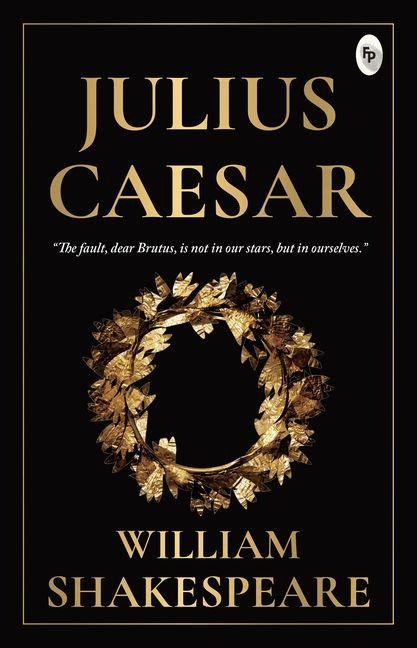
Julius Caesar by William Shakespeare is a gripping classic tragedy of power, ambition, loyalty, and betrayal set against the turbulent political world of ancient Rome. As Julius Caesar returns in triumph and his influence grows, fears emerge among Roman senators that his rise may threaten the Republic, setting the stage for conspiracy, conflict, and irreversible consequences.
At the heart of the play is Brutus, Caesar's trusted friend, who is torn between personal loyalty and what he believes is his duty to Rome. His difficult choice leads to Caesar's assassination and unleashes a struggle for control in which Mark Antony, Cassius, and Brutus become central figures in a story filled with persuasion, public emotion, and political intrigue.
Featuring some of Shakespeare's most memorable scenes and speeches, including Mark Antony's funeral oration, Julius Caesar explores how rhetoric can influence crowds, how ambition can reshape relationships, and how decisions made in the name of honor can carry devastating consequences. The play remains a compelling study of leadership, conspiracy, fate, friendship, and moral conflict.
A cornerstone of English classic literature and Shakespearean drama, this timeless play is ideal for students, literature lovers, and readers interested in historical tragedy and complex characters. Its dramatic storytelling and enduring themes make Julius Caesar an essential addition to any classic literature collection.
Why should readers pick this book?
Key Themes
William Shakespeare began his career as an actor, writer, and part owner of a playing company called the Lord Chamberlain's Men, later known as King's Men, in London. Often regarded as the 'Bard of Avon' he is one of the world's pre-eminent dramatists. Most of his known works have been produced between 1589 and 1613. His plays demonstrate the expansiveness of his imagination and the extent of his learning. Shakespeare introduced prose comedy in the histories of the late 1590s--Henry IV, Part I and Part II, and Henry V--after the lyrical Richard II. Julius Caesar introduced a new kind of drama. Shakespeare's sequence of great comedies continue with Merchant of Venice, Much Ado About Nothing, As You Like It, and Twelfth Night. Until about 1608, he mainly wrote tragedies including Hamlet, Othello, King Lear, and Macbeth. Antony and Cleopatra and Coriolanus--his last major tragedies, contain some of his finest poetry. A true genius, Shakespeare's popular characters and plots are studied, performed, reinterpreted, and discussed till today.