Und dann auf "Zum Home-Bildschirm [+]".

Stöbern
genialokal zum Startbildschirm hinzufügen
Installieren Sie die genialokal App auf Ihrem Startbildschirm für einen schnellen Zugriff und eine komfortable Nutzung.
Installieren Sie die genialokal App auf Ihrem Startbildschirm für einen schnellen Zugriff und eine komfortable Nutzung.
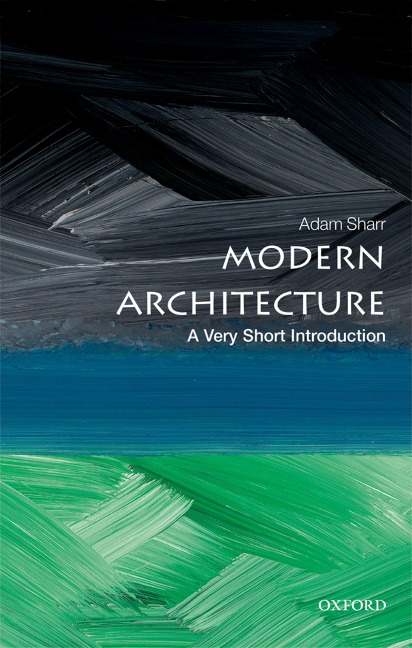
Somewhere between 1910 and 1970, architecture changed. Now that modern architecture has become familiar (sometimes celebrated, sometimes vilified), it's hard to imagine how novel it once seemed. Expensive buildings were transformed from ornamental fancies which referred to the classical and medieval pasts into strikingly plain reflections of novel materials, functions, and technologies. Modern architecture promised the transformation of cities from overcrowded conurbations characterised by packed slums and dirty industries to spacious realms of generous housing and clean mechanised production set in parkland. At certain times and in certain cultures, it stood for the liberation of the future from the past. This Very Short Introduction explores the technical innovations that opened-up the cultural and intellectual opportunities for modern architecture to happen. Adam Sharr shows how the invention of steel and reinforced concrete radically altered possibilities for shaping buildings, transforming what architects were able to imagine, as did new systems for air conditioning and lighting. While architects weren't responsible for these innovations, they were among the first to appreciate how they could make the world look and feel different, in connection with imagery from other spheres like modern art and industrial design. Focusing on a selection of modern buildings that also symbolize bigger cultural ideas, Sharr discusses what modern architecture was like, why it was like that, and how it was imagined. Considering the work of some of the historians and critics who helped to shape modern architecture, he demonstrates how the field owes as much to its storytellers as to its buildings. ABOUT THE SERIES: The Very Short Introductions series from Oxford University Press contains hundreds of titles in almost every subject area. These pocket-sized books are the perfect way to get ahead in a new subject quickly. Our expert authors combine facts, analysis, perspective, new ideas, and enthusiasm to make interesting and challenging topics highly readable.
Adam Sharr is Professor of Architecture, and Head of the School of Architecture, Planning and Landscape, at Newcastle University, UK. He is also Editor in Chief of arq: Architectural Research Quarterly (Cambridge University Press), Series Editor of Thinkers for Architects (Routledge) and Principal of Adam Sharr Architects. He is the author or editor of seven books about architecture.
- 1.: Introduction - 2.: Iron and steel - 3.: Reinforced concrete - 4.: Brick - 5.: Light and air - 6.: Conclusion - Further reading - Bibliography - Index
Dieses eBook wird im PDF-Format geliefert und ist mit einem Adobe Kopierschutz (DRM) versehen. Sie können dieses eBook mit allen Geräten lesen, die das PDF-Format und den Adobe Kopierschutz (DRM) unterstützen.
Zum Beispiel mit den folgenden Geräten:
• tolino Reader
Laden Sie das eBook direkt über den Reader-Shop auf dem tolino herunter oder übertragen Sie das eBook auf Ihren tolino mit einer kostenlosen Software wie beispielsweise Adobe Digital Editions.
• Sony Reader & andere eBook Reader
Laden Sie das eBook direkt über den Reader-Shop herunter oder übertragen Sie das eBook mit der kostenlosen Software Sony READER FOR PC/Mac oder Adobe Digital Editions auf ein Standard-Lesegeräte mit epub- und Adobe DRM-Unterstützung.
• Tablets & Smartphones
Möchten Sie dieses eBook auf Ihrem Smartphone oder Tablet lesen, finden Sie hier unsere kostenlose Lese-App für iPhone/iPad und Android Smartphone/Tablets.
• PC & Mac
Lesen Sie das eBook direkt nach dem Herunterladen mit einer kostenlosen Lesesoftware, beispielsweise Adobe Digital Editions, Sony READER FOR PC/Mac oder direkt über Ihre eBook-Bibliothek in Ihrem Konto unter „Meine eBooks“ - „online lesen“.
Schalten Sie das eBook mit Ihrer persönlichen Adobe ID auf bis zu sechs Geräten gleichzeitig frei.
Bitte beachten Sie, dass die Kindle-Geräte das Format nicht unterstützen und dieses eBook somit nicht auf Kindle-Geräten lesbar ist.