Und dann auf "Zum Home-Bildschirm [+]".

Stöbern
genialokal zum Startbildschirm hinzufügen
Installieren Sie die genialokal App auf Ihrem Startbildschirm für einen schnellen Zugriff und eine komfortable Nutzung.
Installieren Sie die genialokal App auf Ihrem Startbildschirm für einen schnellen Zugriff und eine komfortable Nutzung.
Ihr gewünschter Artikel ist in 0 Buchhandlungen vorrätig - wählen Sie hier eine Buchhandlung in Ihrer Nähe aus:

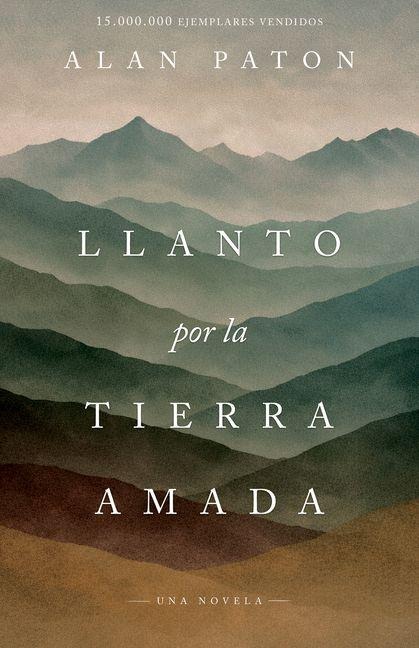
Llanto por la tierra amada es la obra maestra del autor sudafricano Alan Paton y una de las novelas más conmovedoras del siglo XX. Ambientada en la Sudáfrica de 1940, la trama sigue al reverendo zulú Stephen Kumalo, quien viaja desde su remota aldea de Ndotsheni hasta la caótica ciudad de Johannesburgo en busca de su hijo, Absalom, y su hermana, Gertrude. Lo que comienza como una búsqueda familiar se transforma en una dolorosa radiografía de una nación fracturada por la injusticia social y la erosión de las tradiciones tribales frente a la urbanización despiadada. A través de una prosa lírica que recuerda a los salmos bíblicos, Paton entrelaza la tragedia personal de Kumalo con la de James Jarvis, un terrateniente blanco cuyo destino se une al de Kumalo de la forma más devastadora posible. A pesar del panorama desolador de racismo y pérdida, la narrativa ofrece un mensaje profundo de esperanza, perdón y la posibilidad de una reconciliación humana más allá de las barreras raciales. Es un clásico imprescindible para entender las raíces del conflicto sudafricano y un testimonio universal sobre la dignidad humana en tiempos de opresión. _____________________________________________________ Cry, the Beloved Country is the masterpiece of South African author Alan Paton and one of the most moving novels of the twentieth century. Set in South Africa in the 1940s, the story follows the Zulu reverend Stephen Kumalo, who travels from his remote village of Ndotsheni to the chaotic city of Johannesburg in search of his son, Absalom, and his sister, Gertrude. What begins as a family search becomes a painful portrait of a nation fractured by social injustice and the erosion of tribal traditions in the face of ruthless urbanization. Through a lyrical prose reminiscent of biblical psalms, Paton weaves Kumalo's personal tragedy together with that of James Jarvis, a white landowner whose fate becomes intertwined with Kumalo's in the most devastating way. Despite the bleak landscape of racism and loss, the narrative offers a profound message of hope, forgiveness, and the possibility of human reconciliation beyond racial barriers. It is an essential classic for understanding the roots of the South African conflict and a universal testament to human dignity in times of oppression.
Alan Paton (1903-1988) fue un escritor, educador y activista sudafricano, reconocido internacionalmente como una de las voces morales más importantes del siglo XX. Nació en Pietermaritzburg, Sudáfrica, y se formó en la Universidad de Natal, donde estudió Ciencias y más tarde se dedicó a la enseñanza. Su experiencia como educador y, especialmente, como director de un reformatorio para jóvenes influyó profundamente en su visión humanista y en su preocupación por la justicia social. Alcanzó fama mundial en 1948 con la publicación de Cry, the Beloved Country (Llora, país amado), una novela que denunció con sensibilidad poética las consecuencias humanas del racismo y la segregación en Sudáfrica, justo cuando el apartheid comenzaba a institucionalizarse. El libro fue un éxito inmediato y se convirtió en un clásico de la literatura universal, traducido a numerosos idiomas y leído en todo el mundo. Además de novelista, Paton fue un comprometido defensor de los derechos humanos. En 1953 fundó el Partido Liberal de Sudáfrica, desde el cual se opuso abiertamente al apartheid, lo que le valió vigilancia y restricciones por parte del régimen. Su obra, tanto literaria como ensayística, está marcada por una profunda fe en la dignidad humana, el perdón y la reconciliación. Alan Paton dejó un legado duradero como escritor y conciencia ética de su país. ___________________________________________________________________________ Alan Paton (1903-1988) was a South African writer, educator, and activist, internationally recognized as one of the most important moral voices of the twentieth century. He was born in Pietermaritzburg, South Africa, and studied at the University of Natal, where he pursued science before devoting himself to teaching. His experience as an educator--and especially as the principal of a reformatory for young offenders--deeply shaped his humanist outlook and his concern for social justice. He achieved worldwide fame in 1948 with the publication of Cry, the Beloved Country, a novel that poignantly exposed the human consequences of racism and segregation in South Africa, just as apartheid was beginning to be institutionalized. The book was an immediate success and became a classic of world literature, translated into numerous languages and read across the globe. In addition to his work as a novelist, Paton was a committed advocate for human rights. In 1953 he founded the Liberal Party of South Africa, from which he openly opposed apartheid--an action that led to surveillance and restrictions by the regime. His literary and essayistic work is marked by a profound belief in human dignity, forgiveness, and reconciliation. Alan Paton left a lasting legacy as both a writer and a moral conscience of his country.