Und dann auf "Zum Home-Bildschirm [+]".

Stöbern
genialokal zum Startbildschirm hinzufügen
Installieren Sie die genialokal App auf Ihrem Startbildschirm für einen schnellen Zugriff und eine komfortable Nutzung.
Installieren Sie die genialokal App auf Ihrem Startbildschirm für einen schnellen Zugriff und eine komfortable Nutzung.

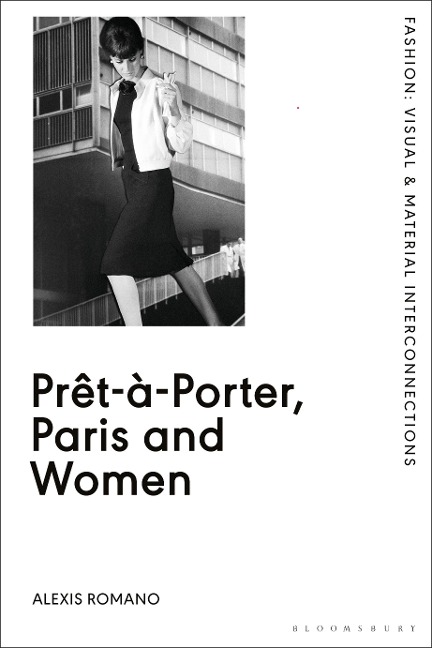
In the first critical history of French ready-made fashion, Alexis Romano examines an array of cultural sources, including surviving garments, fashion magazines, film, photography and interviews, to weave together previously disparate historical narratives. The resulting volume - Prêt-à-Porter: Paris and Women - situates the ready-made in wider cultural discourses of art, design, urbanism, technology and international policy.
Through a close study of fashion magazines, including Vogue and Elle, Romano reveals how the French ready-made and the genre of fashion photography in France developed in tandem. Analyses of representations of space, women and prêt-à-porter in such magazines - alongside other cultural ephemera such as contemporary film, documentary photography and family photographs - demonstrate that popular conceptions of fashion and modernity shifted in the period 1945-68.
By connecting national and personal histories, Prêt-à-Porter: Paris and Women reveals the importance of the ready-made to broader narratives of postwar reconstruction, national identity, gender and international dialogue.
Alexis Romano is a scholar of dress, design history and visual culture. She teaches at Parsons School of Design and is co-founder of the Fashion Research Network. She holds a PhD from the Courtauld Institute of Art and was the 2020-21 Curatorial Fellow at The Met's Costume Institute.
List of Illustrations
1. Introduction
2. Critiquing the Everyday: Prêt-à-Porter, Paris and Women in Magazines, 1945-1968
3. Branding Prêt-à-Porter in the Fourth Republic (1946-1958): Modernisation, Cultural Diplomacy and Industry Debates
4. Displaying Industrial Modernity in 1950s Elle: Readymade Dress, Rational Space and Women
5. Negotiating the Avant-Garde in the 1960s: Stylisme, Industry Debates and Restless Images
6. Expanding the Urban Fabric in the 1960s: Redefined Bodies, Dress and City Space
7. Conclusion
Notes
Bibliography
Index