Und dann auf "Zum Home-Bildschirm [+]".

Stöbern
genialokal zum Startbildschirm hinzufügen
Installieren Sie die genialokal App auf Ihrem Startbildschirm für einen schnellen Zugriff und eine komfortable Nutzung.
Installieren Sie die genialokal App auf Ihrem Startbildschirm für einen schnellen Zugriff und eine komfortable Nutzung.


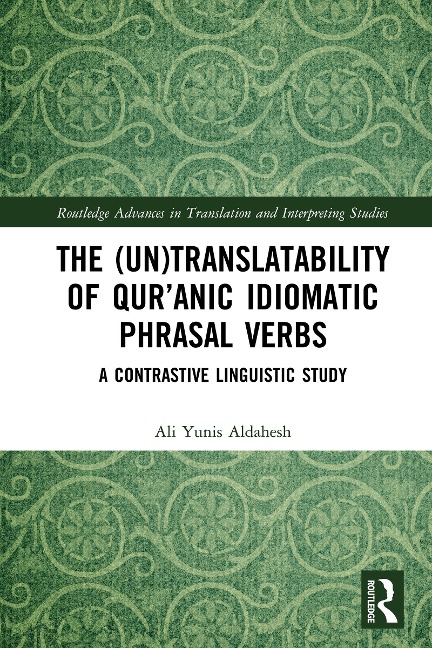
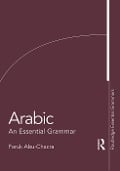
Qur'anic idiomaticity, in its all aspects, poses a great deal of challenge to Qur'an readers, learners, commentators, and translators. One of the most challenging aspects of Qur'anic idiomaticity is Qur'anic idiomatic phrasal verbs, where significances of proper Arabic verbs are entirely fused with significances of prepositions following them to produce new significances that have nothing to do with the basic significances of those verbs and prepositions. By examining a corpus of ten of the most influential English translations of the Qur'an, this study scrutinizes how some translators of the Qur'an have dealt with the phenomenon of Qur'anic idiomatic phrasal verbs, the difficulties that they have encountered when translating them into English, and the strategies that they have employed in their attempts to overcome the inherent ambiguity of such expressions and provide their functional-pragmatic equivalents for English readership. The study proposes a working model for analysing and assessing the translation of the Qur'anic idiomatic phrasal verbs and provides a number of theory-based recommendations for translators in general and Qur'an translators in particular.
Ali Yunis Aldahesh is a lecturer in Arabic language, literature, and culture at the University of Sydney, Department of Arabic Language and Cultures, School of Languages and Cultures, Faculty of Arts and Social Sciences. He holds a PhD in translation and linguistics, an MA in translation and linguistics, and an MA in Semitic studies. Dr Aldahesh's area of research interest is translation and linguistics, with a special emphasis on the language, text, and translation of the Qur'an. His published works include English Translations of the Qur'an: A Descriptive Comparative Study in their Aspects of Disagreement (2020), The Concept of Taqwa in the Holy Qur'an as Understood by Muslim Commentators (2010), and Translating Idiomatic English Phrasal Verbs into Arabic: A Contrastive Linguistic Study (2009).
- Introduction - (Un)Translatability Of The Qur'an: A Theoretical Perspective - Pinning Down The Phenomenon Of Idiomatic Phrasal Verbs In Arabic Language - Qur'anic Idiomatic Phrasal Verbs - Research Methodology - Qualitative Data Analysis, Assessment, And Discussion - Conclusion
Dieses eBook wird im PDF-Format geliefert und ist mit einem Adobe Kopierschutz (DRM) versehen. Sie können dieses eBook mit allen Geräten lesen, die das PDF-Format und den Adobe Kopierschutz (DRM) unterstützen.
Zum Beispiel mit den folgenden Geräten:
• tolino Reader
Laden Sie das eBook direkt über den Reader-Shop auf dem tolino herunter oder übertragen Sie das eBook auf Ihren tolino mit einer kostenlosen Software wie beispielsweise Adobe Digital Editions.
• Sony Reader & andere eBook Reader
Laden Sie das eBook direkt über den Reader-Shop herunter oder übertragen Sie das eBook mit der kostenlosen Software Sony READER FOR PC/Mac oder Adobe Digital Editions auf ein Standard-Lesegeräte mit epub- und Adobe DRM-Unterstützung.
• Tablets & Smartphones
Möchten Sie dieses eBook auf Ihrem Smartphone oder Tablet lesen, finden Sie hier unsere kostenlose Lese-App für iPhone/iPad und Android Smartphone/Tablets.
• PC & Mac
Lesen Sie das eBook direkt nach dem Herunterladen mit einer kostenlosen Lesesoftware, beispielsweise Adobe Digital Editions, Sony READER FOR PC/Mac oder direkt über Ihre eBook-Bibliothek in Ihrem Konto unter „Meine eBooks“ - „online lesen“.
Schalten Sie das eBook mit Ihrer persönlichen Adobe ID auf bis zu sechs Geräten gleichzeitig frei.
Bitte beachten Sie, dass die Kindle-Geräte das Format nicht unterstützen und dieses eBook somit nicht auf Kindle-Geräten lesbar ist.