Und dann auf "Zum Home-Bildschirm [+]".

Stöbern
genialokal zum Startbildschirm hinzufügen
Installieren Sie die genialokal App auf Ihrem Startbildschirm für einen schnellen Zugriff und eine komfortable Nutzung.
Installieren Sie die genialokal App auf Ihrem Startbildschirm für einen schnellen Zugriff und eine komfortable Nutzung.
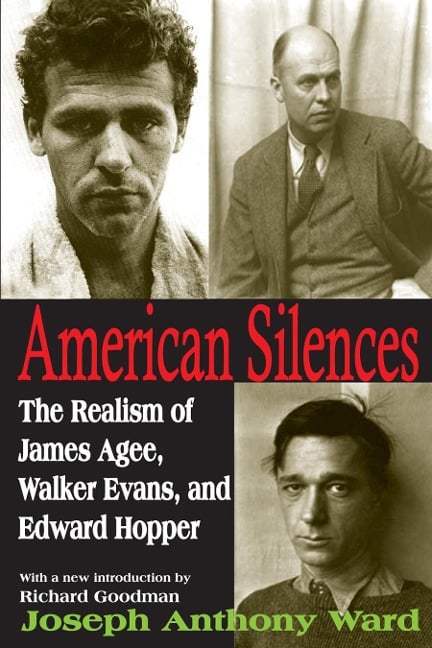
In ""American Silences"", Joseph Anthony Ward offers a unique analysis of the use and effects of silence in modern American realistic art. Beginning with the nineteenth-century literature that laid the foundation for silence in art, he moves to a brief analysis of Sherwood Anderson's ""Winesburg"", Ohio and Ernest Hemingway's ""In Our Time"", showing how they, along with several other crucial works of twentieth-century American realism, incorporate the power of the silent into their expression without sacrificing the subjects and techniques of traditional realism. Examining ""Let Us Now Praise Famous Men"", James Agee's commentary on the life of tenant farmers, documented with photographs by Walker Evans, Ward traces the book's pattern of 'silence, then silence disturbed by sound, and ultimately silence restored'. Ward further supports his theory with a study of Agee's ""A Death in the Family"" and Evans' ""American Photographs"". Ward sees Agee's admiration of photography as a connection between the silence of the scenes he writes about and the silence of Evans' photographs. The use of silence is perhaps even more obvious in the paintings of Edward Hopper. Although throughout the book Ward suggests both the positive and negative qualities of silence in art, Hopper's paintings provide little in the way of postiveness. For Ward, the art of silence is an art of extreme concentration that seeks essences rather than superficiality that nearly transcends realism itself. The theme of silence in American realism is a significant new one, but Ward's interpretation of the prose and his analysis of the photographs and paintings, many of which are reproduced in this book, establish validity for art as the voice of silence.
Joseph Anthony Ward was professor of English at Rice University and author of The Imagination of Disaster: Evil in the Fiction of Henry James and The Search for Form: Studies in the Structure of James's Fiction.
Introduction to the Transaction EditionPrefaceAcknowledgmentsIntroduction: American Realism and the Aesthetic of SilenceOne: Four Fables of Silence: Poe, Melville, James, and AdamsTwo: Anderson and HemingwayThree: James AgeeFour: Walker EvansFive: Edward HopperEpilogueIndex
Dieses eBook wird im PDF-Format geliefert und ist mit einem Adobe Kopierschutz (DRM) versehen. Sie können dieses eBook mit allen Geräten lesen, die das PDF-Format und den Adobe Kopierschutz (DRM) unterstützen.
Zum Beispiel mit den folgenden Geräten:
• tolino Reader
Laden Sie das eBook direkt über den Reader-Shop auf dem tolino herunter oder übertragen Sie das eBook auf Ihren tolino mit einer kostenlosen Software wie beispielsweise Adobe Digital Editions.
• Sony Reader & andere eBook Reader
Laden Sie das eBook direkt über den Reader-Shop herunter oder übertragen Sie das eBook mit der kostenlosen Software Sony READER FOR PC/Mac oder Adobe Digital Editions auf ein Standard-Lesegeräte mit epub- und Adobe DRM-Unterstützung.
• Tablets & Smartphones
Möchten Sie dieses eBook auf Ihrem Smartphone oder Tablet lesen, finden Sie hier unsere kostenlose Lese-App für iPhone/iPad und Android Smartphone/Tablets.
• PC & Mac
Lesen Sie das eBook direkt nach dem Herunterladen mit einer kostenlosen Lesesoftware, beispielsweise Adobe Digital Editions, Sony READER FOR PC/Mac oder direkt über Ihre eBook-Bibliothek in Ihrem Konto unter „Meine eBooks“ - „online lesen“.
Schalten Sie das eBook mit Ihrer persönlichen Adobe ID auf bis zu sechs Geräten gleichzeitig frei.
Bitte beachten Sie, dass die Kindle-Geräte das Format nicht unterstützen und dieses eBook somit nicht auf Kindle-Geräten lesbar ist.