Und dann auf "Zum Home-Bildschirm [+]".

Stöbern
genialokal zum Startbildschirm hinzufügen
Installieren Sie die genialokal App auf Ihrem Startbildschirm für einen schnellen Zugriff und eine komfortable Nutzung.
Installieren Sie die genialokal App auf Ihrem Startbildschirm für einen schnellen Zugriff und eine komfortable Nutzung.
Ihr gewünschter Artikel ist in 0 Buchhandlungen vorrätig - wählen Sie hier eine Buchhandlung in Ihrer Nähe aus:

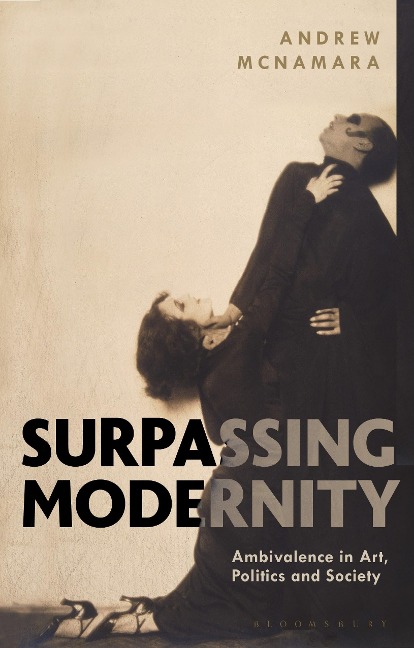
For the past thirty to forty years, cultural analysis has focused on developing terms to explain the surpassing of modernity. Discussion is stranded in an impasse between those who view the term modernity with automatic disdain-as deterministic, Eurocentric or imperialistic-and a booming interest that is renewing the study of modernism. Another dilemma is that the urge to move away from, or beyond, modernity arises because it is viewed as difficult, even unsavoury. Yet, there has always been a view of modernity as somehow difficult to live with, and that has been said by figures we regard today as typical modernists. McNamara argues in this book that it is time to forget the quest to surpass modernity. Instead, we should re-examine a legacy that continues to inform our artistic conceptions, our political debates, our critical justifications, even if that legacy is baffling and contradictory. We may find it difficult to live with, but without recourse to this legacy, our critical-cultural ambitions would remain seriously diminished. How do we explain the culture we live in today? And how do we, as citizens, make sense of it? This book suggests these questions have become increasingly difficult to answer.
Andrew McNamara
Introduction: the Surpassing Paradigm PART ONE Chapter One What Are We Talking About? A Landscape in which Nothing was the Same Except the Clouds Chapter Two Petty-bourgeois Revolutionaries: Reflections on Polke's Wir Kleinbürger! (We Petty Bourgeois!) Chapter Three What is Art Supposed to Do? The Modernist Legacy, the Arab Spring, a Censorship Case in Sharjah, and Artist Arrests in the Year of the Protestor Chapter Four Inversions, Conversions, Aberrations: Visual Acuity and the Erratic Chemistry of Art-historical Transmission in a Transcultural Situation Conclusion Bibliography