Und dann auf "Zum Home-Bildschirm [+]".

Stöbern
genialokal zum Startbildschirm hinzufügen
Installieren Sie die genialokal App auf Ihrem Startbildschirm für einen schnellen Zugriff und eine komfortable Nutzung.
Installieren Sie die genialokal App auf Ihrem Startbildschirm für einen schnellen Zugriff und eine komfortable Nutzung.
Ihr gewünschter Artikel ist in 0 Buchhandlungen vorrätig - wählen Sie hier eine Buchhandlung in Ihrer Nähe aus:

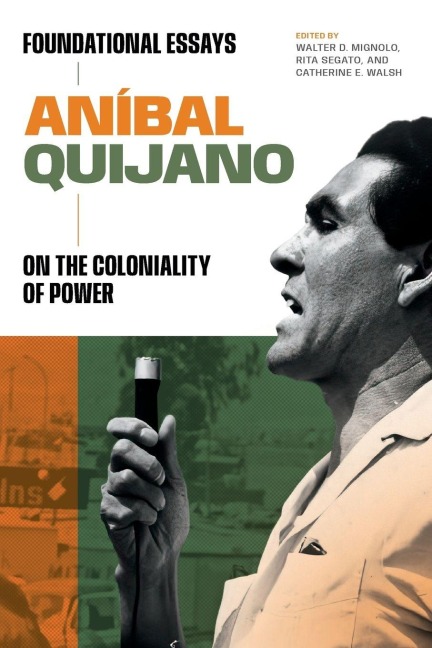
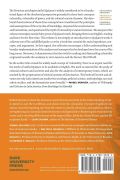
The Peruvian sociologist Aníbal Quijano is widely considered to be a foundational figure of the decolonial perspective grounded in three basic concepts: coloniality, coloniality of power, and the colonial matrix of power. His decolonial theorizations of these three concepts have transformed the principles and assumptions of the very idea of knowledge, impacted the social sciences and humanities, and questioned the myth of rationality in natural sciences. The essays in this volume encompass nearly thirty years of Quijano's work, bringing them to an English-reading audience for the first time. This volume is not simply an introduction to Quijano's work; it achieves one of his unfulfilled goals: to write a book that contains his main hypotheses, concepts, and arguments. In this regard, the collection encourages a fuller understanding and broader implementation of the analyses and concepts that he developed over the course of his long career. Moreover, it demonstrates that the tools for reading and dismantling coloniality originated outside the academy in Latin America and the former Third World.
AnÍbal Quijano (1928–2018) was a renowned Peruvian sociologist and theorist and the author of numerous books. Walter D. Mignolo is William H. Wannamaker Distinguished Emeritus Professor of Romance Studies and Professor of Literature at Duke University. Rita Segato is Professor Emerita in Bioethics and Human Rights at the University of Brasilia. Catherine E. Walsh is Professor Emerita at the Universidad Andina SimÓn BolÍvar.
Introduction / Catherine E. Walsh, Walter D. Mignolo, and Rita Segato 1 1. Paradoxes of Modernity in Latin America 32 2. The Aesthetic of Utopia 64 3. Coloniality and Modernity/Rationality 73 4. Questioning “Race” 85 5. Coloniality of Power and Social Classification 95 6. The Return of the Future and Questions about Knowledge 132 7. Coloniality of Power, Globalization, and Democracy 146 8. The New Anticapitalist Imaginary 188 9. Don Quixote and the Windmills in Latin America 204 10. The “Indigenous Movement” and Unresolved Questions in Latin America 229 11. Coloniality of Power, Eurocentrism, and Latin America 256 12. Coloniality of Power and De/Coloniality of Power 303 13. Thirty Years Later: Another Reunion: Notes for Another Debate 317 14. The Crisis of the Colonial/Modern/Eurocentred Horizon of Meaning 331 15. Latin America: Toward a New Historical Meaning 347 16. Coloniality of Power and Subjectivity in Latin America 361 17. “Bien Vivir”: Between “Development” and the De/Coloniality of Power 379 18. Labor 392 19. Notes on the Decoloniality of Power 411 20. Modernity, Capital, and Latin America Were Born the Same Day: Interview by Nora Velarde 418 Bibliography 443 Index 457