Und dann auf "Zum Home-Bildschirm [+]".

Stöbern
genialokal zum Startbildschirm hinzufügen
Installieren Sie die genialokal App auf Ihrem Startbildschirm für einen schnellen Zugriff und eine komfortable Nutzung.
Installieren Sie die genialokal App auf Ihrem Startbildschirm für einen schnellen Zugriff und eine komfortable Nutzung.
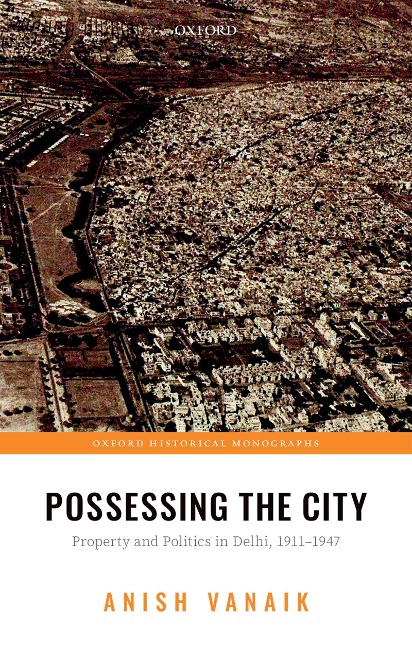
Possessing the City is a social history of the property market in late-colonial Delhi; a period of much turbulence and transformation. It argues that historians of South Asian cities must connect transformations in urban space with the economy of the city. Using new archival material, Anish Vanaik outlines the place of private property development in Delhi's economy from 1911 to 1947. Rather than large-scale state initiatives, like the Delhi Improvement Trust, it was profit-oriented, decentralised, and market-based initiatives of urban construction that created the Delhi cityscape. This volume also serves to chart the emerging relationship between the state and urban space in this period. Rather than a narrow focus on urban planning ideas, it argues that the relationship be thought of in a triangular fashion: the intermediation of the property market was crucial to emerging statecraft and urban form in this period. Possessing the City examines struggles and conflicts over the commodification of land, particularly disputes over rents and prices of urban property. The question of commodification can also, however, be discerned in struggles that were not ostensibly about economic issues: clashes over religious sites in the city. Through careful attention to the historical interrelationships between state, space, and the economy in Delhi, this volume offers a novel intervention in the history of late-colonial Delhi.
Anish Vanaik teaches history at O. P. Jindal Global University in Sonipat, India. As well as urban history, Vanaik's research interests include the history of political cartoons and the history of Marxism in India.
- Introduction - 1: Background: Property in Delhi, 1857-1911 - 2: A Malleable Cityscape - 3: Landlords, Tenants, and Real Estate Firms - 4: Representing Commodified Space: Maps, Auctions, Leases and, 'Narration' of Property - 5: Intimacy in Four Registers: State, Space, and Capital in Delhi - 6: Lineages of the Housing Question - 7: Grave Investments: Abstraction and Sacral Spaces in 20th Century Colonial Delhi - Conclusion - Appendix I: The Database of Construction - Bibliography
Dieses eBook wird im PDF-Format geliefert und ist mit einem Adobe Kopierschutz (DRM) versehen. Sie können dieses eBook mit allen Geräten lesen, die das PDF-Format und den Adobe Kopierschutz (DRM) unterstützen.
Zum Beispiel mit den folgenden Geräten:
• tolino Reader
Laden Sie das eBook direkt über den Reader-Shop auf dem tolino herunter oder übertragen Sie das eBook auf Ihren tolino mit einer kostenlosen Software wie beispielsweise Adobe Digital Editions.
• Sony Reader & andere eBook Reader
Laden Sie das eBook direkt über den Reader-Shop herunter oder übertragen Sie das eBook mit der kostenlosen Software Sony READER FOR PC/Mac oder Adobe Digital Editions auf ein Standard-Lesegeräte mit epub- und Adobe DRM-Unterstützung.
• Tablets & Smartphones
Möchten Sie dieses eBook auf Ihrem Smartphone oder Tablet lesen, finden Sie hier unsere kostenlose Lese-App für iPhone/iPad und Android Smartphone/Tablets.
• PC & Mac
Lesen Sie das eBook direkt nach dem Herunterladen mit einer kostenlosen Lesesoftware, beispielsweise Adobe Digital Editions, Sony READER FOR PC/Mac oder direkt über Ihre eBook-Bibliothek in Ihrem Konto unter „Meine eBooks“ - „online lesen“.
Schalten Sie das eBook mit Ihrer persönlichen Adobe ID auf bis zu sechs Geräten gleichzeitig frei.
Bitte beachten Sie, dass die Kindle-Geräte das Format nicht unterstützen und dieses eBook somit nicht auf Kindle-Geräten lesbar ist.