Und dann auf "Zum Home-Bildschirm [+]".

Stöbern
genialokal zum Startbildschirm hinzufügen
Installieren Sie die genialokal App auf Ihrem Startbildschirm für einen schnellen Zugriff und eine komfortable Nutzung.
Installieren Sie die genialokal App auf Ihrem Startbildschirm für einen schnellen Zugriff und eine komfortable Nutzung.
Ihr gewünschter Artikel ist in 0 Buchhandlungen vorrätig - wählen Sie hier eine Buchhandlung in Ihrer Nähe aus:

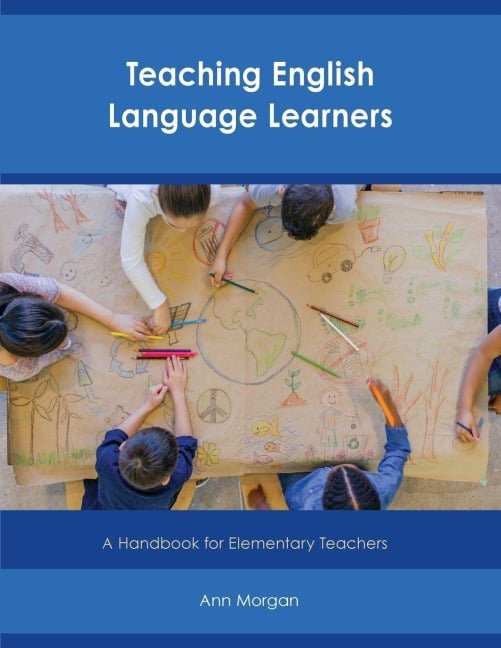
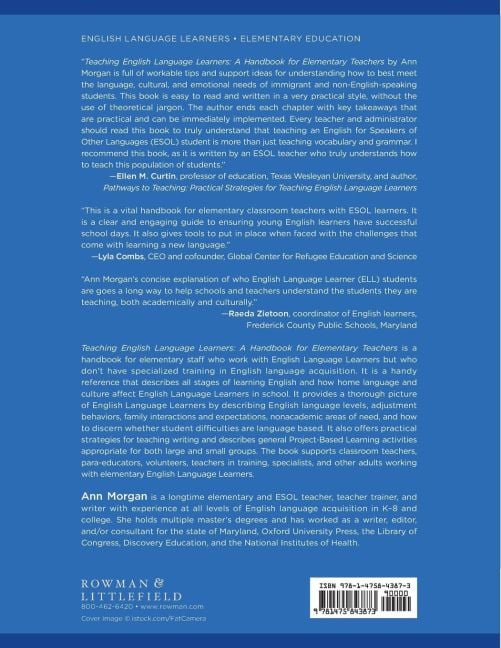
This handbook is for elementary staff who work with English Language Learners, but who don’t have specialized training in English language acquisition.It provides a thorough picture of English Language Learners, and offers practical strategies for teaching.
Ann Morgan is a long-time elementary and ESOL teacher, teacher trainer, and writer with experience at all levels of English Language Acquisition in K-8 and college. She holds multiple Masters degrees and has worked as a writer, editor and/or consultant for the state of Maryland, Oxford University Press, the Library of Congress, Discovery Education, and the National Institutes of Health.
Acknowledgments Introduction Acronym Soup and Other Terms Chapter 1: Who are These Kids? Countries and Backgrounds Period of Adjustment Grade Placement The Silent Stage An Adjustment Problem Not an Adjustment Problem Clothes Realistic Expectations Chapter 2: Home Comes to School The Cultural Divide General Information Gender and Expectations Socializing Holidays Resources Chapter 3: Domains and Levels of English Language Learning Language Domains Listening Speaking Reading Writing Testing English Language Proficiency Levels of English Language Proficiency Level 1-2 Beginner Level 3-4 Intermediate Level 5-6 Advanced/Exited Beginning Level Proficiency Goals Intermediate Level Proficiency Goals Advanced Level Proficiency Goals Chapter 4: How to Talk to Your ELLs Pace Yourself Receptive Language Productive Language This is Tense. Keep it Simple. Be an Active Active Speaker More than Words I Don't Get It Chapter 5: Classroom Accommodations What are Accommodations? Typical Accommodations Who is Part of the Accommodations Process? When and Where do ESOL Students Use Accommodations? Why Use Accommodations? Chapter 6: Making the Everyday Puzzle Pieces Fit The Basics First Steps Technology for the Unemployed Let's Do Lunch-Book Talk Overview Before-Setting Up During-Let's Eat After-Clean Up The Book Talk Ripple Effect Chapter 7: Project Based Learning Why PBL? Collect Something Write to Someone Make Something Play Something Chapter 8: Strategies for Teaching Writing Summaries Fiction Non-Fiction General Organization Dots Write Point of View The Kid Piece of the Writing Puzzle Six Word Memoirs OWL Purdue Online Writing Lab Maryland Public Television Chapter 9: What's the Problem? ESOL and Special Needs ESOL Common Errors (Don't Worry) Uncommon Errors (It's Time to Worry) Chapter 10: What Teachers and Kids Say Teachers Input from Kids (with some grammar corrections) Appendix A: Basic Skills Chart for Gardner's Multiple Intelligences Appendix B: Suggested Readings for Book Talk Appendix C: Project Based Learning (PBL) Activities Appendix D: The Great Graph Appendix E: Comparing Proficiency Levels over Time Appendix F: Comparing Proficiency Scores within a Group About the Author Index