Und dann auf "Zum Home-Bildschirm [+]".

Stöbern
genialokal zum Startbildschirm hinzufügen
Installieren Sie die genialokal App auf Ihrem Startbildschirm für einen schnellen Zugriff und eine komfortable Nutzung.
Installieren Sie die genialokal App auf Ihrem Startbildschirm für einen schnellen Zugriff und eine komfortable Nutzung.
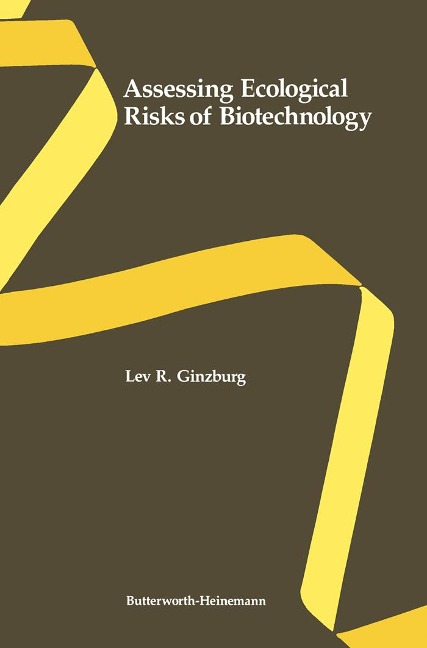
Assessing Ecological Risks of Biotechnology presents a comprehensive analysis of ecological risk assessment for biotechnology as viewed predominantly by scientists doing research in this area, but also by regulators, philosophers, and research managers. The emphasis is on the ecological risks associated with the release of genetically engineered organisms into the environment. The book contains 17 chapters that are organized into four parts. Part I discusses the ecological experience gained from previous biological introductions. Part II explores the ecology and the genetics of microbial communities. Emphasis is given to the transport of microorganisms since one of the major ecological concerns about biotechnology is the danger of the spread of genetically engineered organisms to ecosystems other than the one to which they are released. Part III reviews mathematical models that can be used for ecological risk assessment at four different levels. Part IV concerns the regulation of biotechnology, current research trends, and social values.
PrefacePart I. Experience with Introduced Organisms 1. Keystone Species and Community Effects of Biological Introductions 1.1 Quantitative Estimates 1.2 Determinants of Major Ecological Effects 1.3 Species that Constitute New Habitats 1.4 Species that Modify Existing Habitat 1.5 Keystone Species that Do Not Initially Change Habitats 1.6 Synergisms and Invasions by Entire Communities 1.7 Conclusions References 2. Planned Introductions in Biological Control 2.1 Classical Biological Control 2.2 Environmental Impact of Introduced Biological-Control Agents 2.3 Concluding Remarks References Part II. Ecology and Genetics of Microbial Populations 3. Surface Transport of Microorganisms by Water 3.1 Role of the Application Form 3.2 Runoff Effects 3.3 Microorganism-Release Characteristics 3.4 Case Studies 3.5 Buffer Areas and Vegetative Filters 3.6 Modeling Microorganism Movement 3.7 Summary References 4. Soil and Groundwater Transport of Microoganisms 4.1 Overview of Issues Relating to the Survival of GEMs 4.2 Transport of Microorganisms in Soil and Subsurface Environments 4.3 Summary References 5. Aerial Dispersal of Bacteria 5.1 Sources and Take-off 5.2 Aerial Transport 5.3 Deposition 5.4 Fate of Deposited Bacteria 5.5 The Overall Process References 6. Factors Affecting the Transfer of Genetic Information Among Microorganisms in Soil 6.1 The Soil Ecosystem 6.2 Microbial Interactions 6.3 Monitoring GEMs in Soil 6.4 Gene Transfer in Soil 6.5 Effects of Physicochemical Factors of Soil on Gene Transfer 6.6 Conclusions References 7. Genetic Exchange and Genetic Stability in Bacterial Populations 7.1 Sexuality in Bacteria 7.2 The Possibility of Genetic Exchange Between Species 7.3 Interspecific Gene Transfer and Its Consequences 7.4 Conclusions References Part III. Mathematical Models in Biotechnology Risk Assessment 8. Models for the Population Dynamics of Transposable Elements in Bacteria 8.1 Background and Terminology 8.2 Models 8.3 Conclusions References 9. Quantifying Fitness and Gene Stability in Microorganisms 9.1 General Principles 9.2 Methodological Issues 9.3 Specific Methods for Estimating Parameters 9.4 Caveats and Assumptions 9.5 Summary and Conclusions References 10. Quantifying the Risks of Invasion by Genetically Engineered Organisms 10.1 Risk Assessment Using Extreme Value Distribution 10.2 Discussion References 11. Quantifying the Spread of Recombinant Genes and Organisms 11.1 Review of Spread Models 11.2 Using Field Data to Simulate Short-Term Spread 11.3 Some General Lessons from Existing Theory on Spread 11.4 The Nature of the Data Available from Field Releases 11.5 Final Remarks ReferencesPart IV. Regulation, Research Trends, and Social Values 12. Regulation of Biotechnology by the Environmental Protection Agency 12.1 Background 12.2 Statutory Arguments 12.3 Specific EPA Changes for Regulating Biotechnology 12.4 Regulatory Considerations for the Future 12.5 Conclusions References 13. Ecological Considerations in EPA's Review for Field Tests of Genetically Engineered Organisms 13.1 Regulation by the Office of Pesticide Programs (OPP) 13.2 Regulation by the Office of Toxic Substances (OTS) 13.3 Case Studies of 12 Applications 13.4 Evaluation of the Case Studies 13.