Und dann auf "Zum Home-Bildschirm [+]".

Stöbern
genialokal zum Startbildschirm hinzufügen
Installieren Sie die genialokal App auf Ihrem Startbildschirm für einen schnellen Zugriff und eine komfortable Nutzung.
Installieren Sie die genialokal App auf Ihrem Startbildschirm für einen schnellen Zugriff und eine komfortable Nutzung.

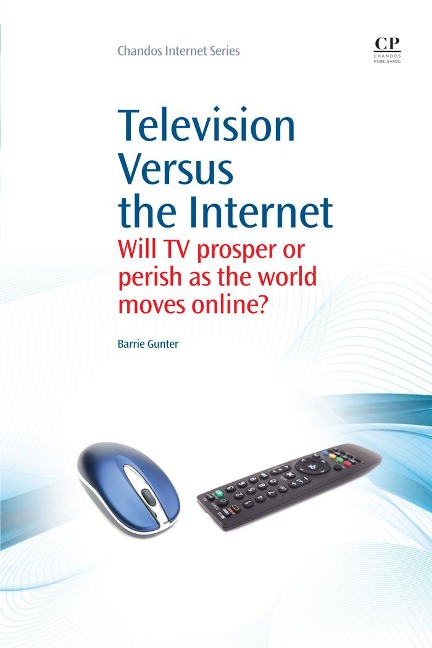
This book will explore the questions raised by the technological developments that have encouraged the multiplication of TV channels. TV is moving through a period of rapid change. Governments around the world are switching from analogue to digital forms of transmission to further expand the amount of content that TV signals can carry. At the same time, competition for eyeballs has also grown from outside that traditional marketplace with the emergence of the Internet. The roll-out of broadband and increased bandwidth has had the greatest impact on television because online technology can readily convey the same content. All these changes have created a great deal more competition for viewers within the traditional TV marketplace. The Internet has proven to be especially popular with young people who have adopted its applications to a far greater extent than their elders, though even the latter have now begun to take up online activities in significant numbers. Are these audiences the same? Do people make a choice between these two media or do they use them both at different times and for different reasons? Can television utilise the Internet in profitable ways to enhance its market position? Will television have to evolve from its current state to provide the kinds of content reception services to which people have become accustomed in the online world? If it does need to change to survive, will this nevertheless mean a radical new configuration of content and the disappearance of 'channels' with fixed, pre-determined programme schedules? - Examines the implications of new interactive communications technologies for the way people will use television in the future - Presents an analysis of changing styles of television viewing and changing orientations towards television - Examines the growing importance of the broadband internet as a source of information and entertainment
Barrie Gunter is Professor of Mass Communication and Head of the Department of Media and Communication, University of Leicester. He was formerly Professor of Journalism Studies at the University of Sheffield and previously worked in the broadcasting sector. He has published 47 books and over 250 book chapters, journal articles and other reports on a range of media, marketing and psychology topics. Among his current interests are the adoption and use of internet and digital TV applications.
Preface About the author Chapter 1: Audience evolution patterns Growth of media supply and television viewing Growth of the Internet Implications of media expansion The position of television in society Changing patterns of consumption Does one medium cannibalise another? Models of displacement Increase-decrease relationship Competition or synergy? Ensuring access, diversity and quality Concluding remarks Chapter 2: The importance of television and the Internet to media consumers How important is television to people today? The importance of digital The importance of channels Are we satisfied with television channels? The importance of programme service values The importance of programme genres Behavioural evidence of what is important to media consumers The importance of the Internet Concluding remarks Chapter 3: The functional overlaps of television and the Internet The importance of media motives The attraction of the Internet Conditional displacement Overlapping functional displacement of television by the Internet Non-overlapping functional displacement of television by the Internet Concluding remarks Chapter 4: The future of television as an information source The valued attributes of television news Television versus the Internet Importance of different information sources Importance of different news sources: Internet users versus non-users The future for television news Time devoted to television news Levels of use of online news Receptivity of new news sources News source displacement Credibility of offline versus online news Importance of news brands Concluding remarks Chapter 5: The future of television as an entertainment source Perceived importance of different entertainment sources The Internet as an entertainment source Video viewing online Continuous measurement of online video viewing Online video viewing versus television Video game playing Concluding remarks Chapter 6: Future audiences, future services Television versus the Internet: continuing distinctions The promise of digital Future audiences Final thoughts References Index