Und dann auf "Zum Home-Bildschirm [+]".

Stöbern
genialokal zum Startbildschirm hinzufügen
Installieren Sie die genialokal App auf Ihrem Startbildschirm für einen schnellen Zugriff und eine komfortable Nutzung.
Installieren Sie die genialokal App auf Ihrem Startbildschirm für einen schnellen Zugriff und eine komfortable Nutzung.
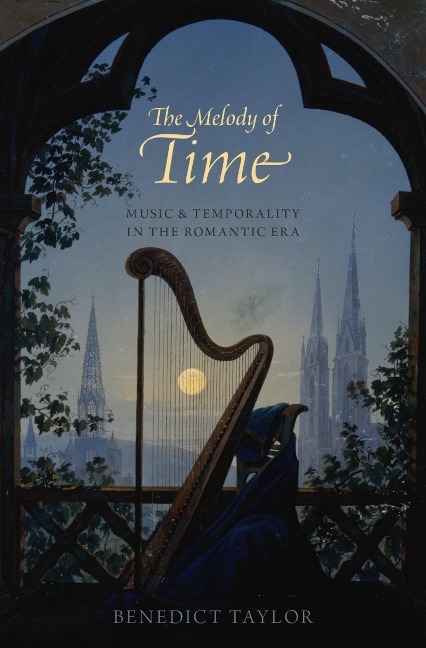
From the Romantic era onwards, music has been seen as the most quintessentially temporal art, possessing a unique capacity to invoke the human experience of time. Through its play of themes and recurrence of events, music has the ability to stylise in multiple ways our temporal relation to the world, with far-reaching implications for modern conceptions of memory, subjectivity, personal and collective identity, and history. Time, as philosophers, scientists and writers have found throughout history, is notoriously hard to define. Yet music, seemingly bound up so intimately with the nature of time, might well be understood as disclosing aspects of human temporality unavailable to other modes of inquiry, and accordingly was frequently granted a privileged position in nineteenth-century thought. The Melody of Time examines the multiple ways in which music relates to, and may provide insight into, the problematics of human time. Each chapter explores a specific theme in the philosophy of time as expressed through music: the purported timelessness of Beethoven's late works or the nostalgic impulses of Schubert's music; the use of music by philosophers as a means to explicate the aporias of temporal existence or as a medium suggestive of the varying possible structures of time; and, a reflection of a particular culture's sense of historical progress or the expression of the intangible spirit behind the course of human history itself. Moving fluidly between cultural context and historical reception, competing philosophical theories of time and close reading of the repertoire, Benedict Taylor argues for the continued importance of engaging with music's temporality in understanding the significance of music within society and human experience. At once historical, analytical, critical, and ultimately hermeneutic, The Melody of Time provides both fresh insight into many familiar nineteenth-century pieces and a rich theoretical basis for future research.
Benedict Taylor is Chancellor's Fellow in the Reid School of Music, University of Edinburgh. He is the author of Mendelssohn, Time and Memory: The Romantic Conception of Cyclic Form, and a number of studies of nineteenth- and twentieth-century music.
Acknowledgements
Introduction
1. Time and Transcendence in Beethoven's late Piano Sonatas
2. Music, Time and Philosophy
3. Memory and Nostalgia in Schubert's Instrumental Music 4. Temporality in Russian Music and the Ideology of History
5. La sonate cyclique and the Structures of Time
6. Elgar's The Music Makers and the Spirit of Time
Bibliography
Index
Dieses eBook wird im PDF-Format geliefert und ist mit einem Adobe Kopierschutz (DRM) versehen. Sie können dieses eBook mit allen Geräten lesen, die das PDF-Format und den Adobe Kopierschutz (DRM) unterstützen.
Zum Beispiel mit den folgenden Geräten:
• tolino Reader
Laden Sie das eBook direkt über den Reader-Shop auf dem tolino herunter oder übertragen Sie das eBook auf Ihren tolino mit einer kostenlosen Software wie beispielsweise Adobe Digital Editions.
• Sony Reader & andere eBook Reader
Laden Sie das eBook direkt über den Reader-Shop herunter oder übertragen Sie das eBook mit der kostenlosen Software Sony READER FOR PC/Mac oder Adobe Digital Editions auf ein Standard-Lesegeräte mit epub- und Adobe DRM-Unterstützung.
• Tablets & Smartphones
Möchten Sie dieses eBook auf Ihrem Smartphone oder Tablet lesen, finden Sie hier unsere kostenlose Lese-App für iPhone/iPad und Android Smartphone/Tablets.
• PC & Mac
Lesen Sie das eBook direkt nach dem Herunterladen mit einer kostenlosen Lesesoftware, beispielsweise Adobe Digital Editions, Sony READER FOR PC/Mac oder direkt über Ihre eBook-Bibliothek in Ihrem Konto unter „Meine eBooks“ - „online lesen“.
Schalten Sie das eBook mit Ihrer persönlichen Adobe ID auf bis zu sechs Geräten gleichzeitig frei.
Bitte beachten Sie, dass die Kindle-Geräte das Format nicht unterstützen und dieses eBook somit nicht auf Kindle-Geräten lesbar ist.