Und dann auf "Zum Home-Bildschirm [+]".

Stöbern
genialokal zum Startbildschirm hinzufügen
Installieren Sie die genialokal App auf Ihrem Startbildschirm für einen schnellen Zugriff und eine komfortable Nutzung.
Installieren Sie die genialokal App auf Ihrem Startbildschirm für einen schnellen Zugriff und eine komfortable Nutzung.
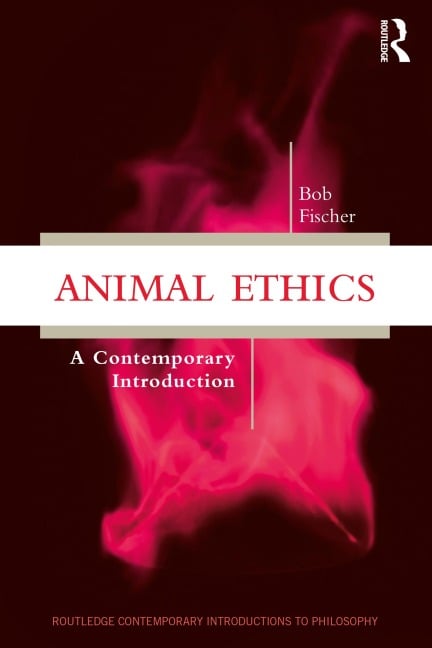
There are many introductions to the animal ethics literature. There aren't many introductions to the practice of doing animal ethics. Bob Fischer's Animal Ethics: A Contemporary Introduction fills that gap, offering an accessible model of how animal ethics can be done today. The book takes up classic issues, such as the ethics of eating meat and experimenting on animals, but tackles them in an empirically informed and nuanced way. It also covers a range of relatively neglected issues in animal ethics, such as the possibility of insect sentience and the ethics of dealing with pests. Finally, the book doesn't assess every current practice using standard ethical theories, but tries to evaluate some of them using the moral frameworks endorsed by those involved. So, for instance, there is a chapter on the way that animal care and use committees try to justify some of the educational uses of animals, and the chapter on zoos considers the way that international zoological societies justify compromising animal welfare. The book wraps up with a discussion of the future of animal ethics. Each chapter opens with a helpful initial overview of the chapter and ends with a list of suggested readings to help students go further on their own. Key Features: - Covers animal ethics from an empirically informed perspective, bringing philosophy into conversation with key issues in animal science, conservation biology, economics, ethology, and legal studies, among other fields - Provides ample coverage of the most salient current topics, including, for example: - Debates about which animals are sentient - The suffering of wild animals - Research ethics - The boundaries of activism - Avoids suggesting that animal ethics is simply the practice of applying the right general theory to a problem, instead allowing readers to first work out the specific costs and benefits of making ethical decisions - Impresses upon the reader the need for her to work out for herself the best way forward with difficult ethical issues, suggesting that progress can indeed be made - Includes summaries and recommended readings at the end of each chapter
Bob Fischer is Associate Professor of Philosophy at Texas State University. He's the editor of The Routledge Handbook of Animal Ethics (Routledge, 2020) and the author of The Ethics of Eating Animals (Routledge, 2020).
1. Introduction 2. The Moral Community 3. Animal Minds 4. Welfare and Death 5. Moral Theory 6. Animal Agriculture and Aquaculture 7. Production and Consumption Ethics 8. Fishing 9. International Animal Care and Use Committees 10. Animal Research 11. Zoos 12. Pests 13. Companion Animals 14. Activism 15. Conclusion
Dieses eBook wird im PDF-Format geliefert und ist mit einem Adobe Kopierschutz (DRM) versehen. Sie können dieses eBook mit allen Geräten lesen, die das PDF-Format und den Adobe Kopierschutz (DRM) unterstützen.
Zum Beispiel mit den folgenden Geräten:
• tolino Reader
Laden Sie das eBook direkt über den Reader-Shop auf dem tolino herunter oder übertragen Sie das eBook auf Ihren tolino mit einer kostenlosen Software wie beispielsweise Adobe Digital Editions.
• Sony Reader & andere eBook Reader
Laden Sie das eBook direkt über den Reader-Shop herunter oder übertragen Sie das eBook mit der kostenlosen Software Sony READER FOR PC/Mac oder Adobe Digital Editions auf ein Standard-Lesegeräte mit epub- und Adobe DRM-Unterstützung.
• Tablets & Smartphones
Möchten Sie dieses eBook auf Ihrem Smartphone oder Tablet lesen, finden Sie hier unsere kostenlose Lese-App für iPhone/iPad und Android Smartphone/Tablets.
• PC & Mac
Lesen Sie das eBook direkt nach dem Herunterladen mit einer kostenlosen Lesesoftware, beispielsweise Adobe Digital Editions, Sony READER FOR PC/Mac oder direkt über Ihre eBook-Bibliothek in Ihrem Konto unter „Meine eBooks“ - „online lesen“.
Schalten Sie das eBook mit Ihrer persönlichen Adobe ID auf bis zu sechs Geräten gleichzeitig frei.
Bitte beachten Sie, dass die Kindle-Geräte das Format nicht unterstützen und dieses eBook somit nicht auf Kindle-Geräten lesbar ist.