Und dann auf "Zum Home-Bildschirm [+]".

Stöbern
genialokal zum Startbildschirm hinzufügen
Installieren Sie die genialokal App auf Ihrem Startbildschirm für einen schnellen Zugriff und eine komfortable Nutzung.
Installieren Sie die genialokal App auf Ihrem Startbildschirm für einen schnellen Zugriff und eine komfortable Nutzung.
Ihr gewünschter Artikel ist in 0 Buchhandlungen vorrätig - wählen Sie hier eine Buchhandlung in Ihrer Nähe aus:

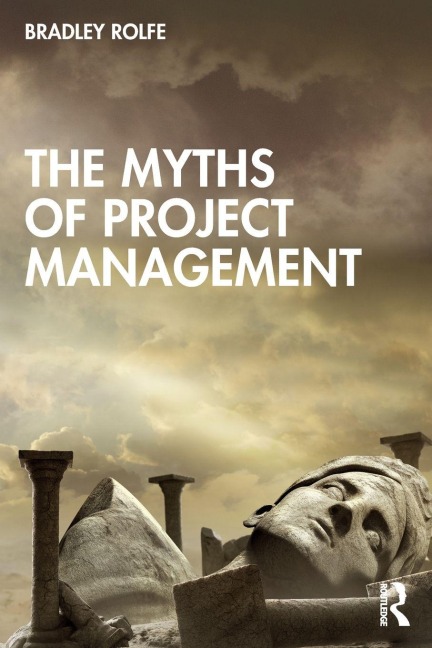
Despite the increasing proliferation of project management frameworks and best practices, the failure rate of complex projects remains extraordinarily high. This book examines how organizations systematically undermine the projects they commission and why traditional approaches to project management are failing managers.
Bradley Rolfe was a project, programme, and portfolio manager in the Australian ICT industry for over 30 years. He has an MBA and a PhD in Project Management from Macquarie University, Australia, and has lectured in project management for the Sydney University Business School.
Acknowledgements Introduction 1. The Death of Autonomous Projects 2. Managing the Schedule versus Managing the Project 3. Projects and the Simulacrum of Power 4. Rewriting the Narrative of Project Management 5. Project Risk and the Illusion of Control 6. Project Management Is a Language Game 7. Summary of Arguments Conclusion Index