Und dann auf "Zum Home-Bildschirm [+]".

Stöbern
genialokal zum Startbildschirm hinzufügen
Installieren Sie die genialokal App auf Ihrem Startbildschirm für einen schnellen Zugriff und eine komfortable Nutzung.
Installieren Sie die genialokal App auf Ihrem Startbildschirm für einen schnellen Zugriff und eine komfortable Nutzung.

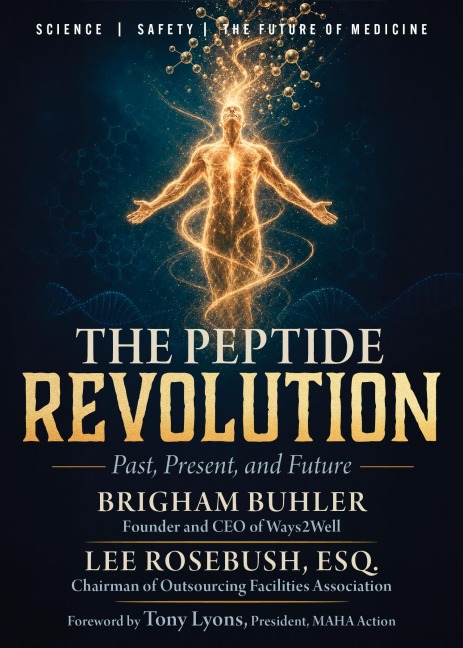

The Molecules Everyone Is Talking AboutFinally Explained You've probably seen the word "peptides" everywhere latelywellness podcasts, weight-loss headlines, gym locker rooms, your cousin's Instagram stories. But what are they, really? And should you care? The Peptide Revolution cuts through the noise. Written by a leading wellness CEO and a pharmacist-attorney who helped fight the government over peptide access, it makes a simple case: peptides aren't a trendy fadthey're biological text messages your body has been sending for over a century. Insulin, the drug that turned Type 1 diabetes from a death sentence into a manageable condition? A peptide. The GLP-1 shots reshaping America's relationship with food and obesity? Also peptides. The book covers the full landscape: how these molecules actually work, why "FDA-approved" doesn't mean safe and "unapproved" doesn't mean dangerous, and how to tell a legitimate compounding pharmacy from a sketchy research-chemical website with a suspiciously professional logo. But underneath the science is a bigger fight: who gets to decide what you can put in your own body. As regulators and institutions move to restrict access to compounded peptides, millions of patients are being cut off from therapies they understand and can use responsibly. The authors argue that access isn't a fringe convenienceit's the front line of medical freedom. And restricting legitimate access doesn't make people safer; it pushes them toward the gray market, stripping away the very oversight that protects them. Most importantly, it's a book about you and your body. It asks the hard questionswho weighs the risks, who gets to say no, and what patients lose when those decisions are made for themand hands readers the tools to advocate for themselves and have smarter conversations with their doctors. Equal parts science primer, patient empowerment guide, and call to defend medical freedom, The Peptide Revolution is for anyone who's ever thought: I just want to feel betterand I want the right to understand and choose what I'm putting in my body.
Brigham Buhler is a healthcare entrepreneur, founder of Ways2Well, and owner of ReviveRx Pharmacy. A former pharmaceutical and medical device insider, Buhler has spent more than two decades working across the systems that shape American healthcarefrom pharmacy access and clinical diagnostics to preventative care, hormone optimization, and regenerative medicine. His work focuses on exposing the incentives that keep patients sick while building practical alternatives rooted in transparency, clinician guidance, and proactive health optimization. Through Ways2Well and ReviveRx, Buhler is helping advance a model of care that prioritizes patient access, better data, legitimate pharmacy oversight, and healthspan over disease management. Lee H. Rosebush, Pharm.D, JD, MBA, MS, is chairman of the Outsourcing Facilities Association (OFA), which represents FDA-registered 503B outsourcing facilities nationwide. A pharmacist and attorney with experience spanning hospital, retail, and regulatory settings, he advises on compounding policy, patient access, and the legal and operational issues shaping the industry. He has been active in state and national compounding policy efforts, including support for Colorado's HB26-1262, Patient Access to Compounded Medical Items. Through legislative testimony and public advocacy, Rosebush has helped clarify issues affecting access to compounded medications and the alignment of state requirements with federal 503B standards. He also speaks and writes frequently on FDA compounding regulation, the Drug Quality and Security Act (DQSA), drug shortages, and broader pharmacy policy issues. Drawing on prior regulatory experience in the FDA's Office of Orphan Products Development, he provides strategic counsel on compliance, advocacy, and emerging industry challenges. His work bridges legal, regulatory, and policy considerations for stakeholders navigating a complex and evolving compounding landscape.