Und dann auf "Zum Home-Bildschirm [+]".

Stöbern
genialokal zum Startbildschirm hinzufügen
Installieren Sie die genialokal App auf Ihrem Startbildschirm für einen schnellen Zugriff und eine komfortable Nutzung.
Installieren Sie die genialokal App auf Ihrem Startbildschirm für einen schnellen Zugriff und eine komfortable Nutzung.
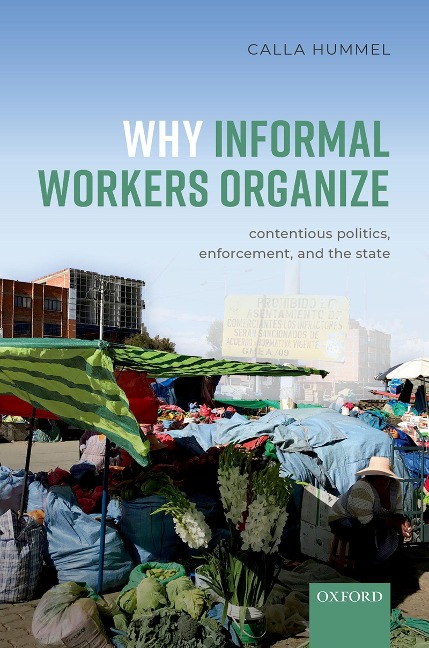
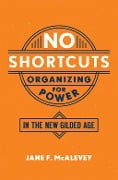
Informal workers make up over two billion workers or about 50% of the global workforce. Surprisingly, scholars know little about informal workers' political or civil society participation. An informal worker is anyone who holds a job and who does not pay taxes on taxable earnings, does not hold a license for their work when one is required, or is not part of a mandatory social security system. For decades, researchers argued that informal workers rarely organized or participated in civil society and politics. However, millions of informal workers around the world start and join unions. Why do informal workers organize? In countries like Bolivia, informal workers such as street vendors, fortune tellers, witches, clowns, gravestone cleaners, sex workers, domestic workers, and shoe shiners come together in powerful unions. In South Africa, South Korea, and India, national informal worker organizations represent millions of citizens. The data in this book finds that informal workers organize in nearly every country for which data exists, but to varying degrees. This raises a related question: Why do informal workers organize in some places more than others? The reality of informal work described in this book and supported by surveys in 60 countries, over 150 interviews with informal workers in Bolivia and Brazil, ethnographic data from multiple cities, and administrative data upends the conventional wisdom on the informal sector. The contrast between scholarly expectations and emerging data underpin the central argument of the book: Informal workers organize where state officials encourage them to.
Calla Hummel is an Assistant Professor in the Department of Political Science at the University of Miami. She has published in a number of leading journals including the British Journal of Political Science and Comparative Political Studies. Her article in the latter won the journal editorial board's Best Article Award and the Alexander George Best Article Award.
- 1: Why Do Informal Workers Organize? - 2: State Intervention in Collective Action - 3: Informal Work in Numbers - 4: Street Markets in La Paz and São Paulo - 5: Managing Contentious Collective Action - 6: How to Make Money While Running From the Cops - 7: Conclusion - Theory Appendix - Quantitative Appendix - Fieldwork Appendix
Dieses eBook wird im PDF-Format geliefert und ist mit einem Adobe Kopierschutz (DRM) versehen. Sie können dieses eBook mit allen Geräten lesen, die das PDF-Format und den Adobe Kopierschutz (DRM) unterstützen.
Zum Beispiel mit den folgenden Geräten:
• tolino Reader
Laden Sie das eBook direkt über den Reader-Shop auf dem tolino herunter oder übertragen Sie das eBook auf Ihren tolino mit einer kostenlosen Software wie beispielsweise Adobe Digital Editions.
• Sony Reader & andere eBook Reader
Laden Sie das eBook direkt über den Reader-Shop herunter oder übertragen Sie das eBook mit der kostenlosen Software Sony READER FOR PC/Mac oder Adobe Digital Editions auf ein Standard-Lesegeräte mit epub- und Adobe DRM-Unterstützung.
• Tablets & Smartphones
Möchten Sie dieses eBook auf Ihrem Smartphone oder Tablet lesen, finden Sie hier unsere kostenlose Lese-App für iPhone/iPad und Android Smartphone/Tablets.
• PC & Mac
Lesen Sie das eBook direkt nach dem Herunterladen mit einer kostenlosen Lesesoftware, beispielsweise Adobe Digital Editions, Sony READER FOR PC/Mac oder direkt über Ihre eBook-Bibliothek in Ihrem Konto unter „Meine eBooks“ - „online lesen“.
Schalten Sie das eBook mit Ihrer persönlichen Adobe ID auf bis zu sechs Geräten gleichzeitig frei.
Bitte beachten Sie, dass die Kindle-Geräte das Format nicht unterstützen und dieses eBook somit nicht auf Kindle-Geräten lesbar ist.