Und dann auf "Zum Home-Bildschirm [+]".

Stöbern
genialokal zum Startbildschirm hinzufügen
Installieren Sie die genialokal App auf Ihrem Startbildschirm für einen schnellen Zugriff und eine komfortable Nutzung.
Installieren Sie die genialokal App auf Ihrem Startbildschirm für einen schnellen Zugriff und eine komfortable Nutzung.

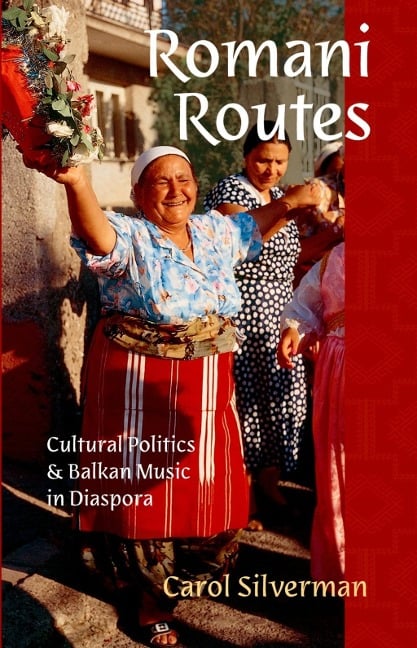
Now that the political and economic plight of European Roma and the popularity of their music are objects of international attention, Romani Routes provides a timely and insightful view into Romani communities both in their home countries and in the diaspora. Over the past two decades, a steady stream of recordings, videos, feature films, festivals, and concerts has presented the music of Balkan Gypsies, or Roma, to Western audiences, who have greeted them with exceptional enthusiasm. Yet, as author Carol Silverman notes, Roma are revered as musicians and reviled as people. In this book, Silverman introduces readers to the people and cultures who produce this music, offering a sensitive and incisive analysis of how Romani musicians address the challenges of discrimination. Focusing on southeastern Europe then moving to the diaspora, her book examines the music within Romani communities, the lives and careers of outstanding musicians, and the marketing of music in the electronic media and "world music" concert circuit. Silverman touches on the way that the Roma exemplify many qualities--adaptability, cultural hybridity, transnationalism--that are taken to characterize late modern experience. And rather than just celebrating these qualities, she presents the musicians as complicated, pragmatic individuals who work creatively within the many constraints that inform their lives.
Carol Silverman, Professor of Anthropology and Folklore at the University of Oregon, has been involved with Romani culture for over 25 years as a researcher, teacher, activist, and performer. Her numerous articles have appeared in anthropology, folklore, ethnomusicology, and cultural studies publications.
Table of Contents
Acknowledgements Notes on Transliteration Guide to the Website (video examples, audio examples, photographs, and text supplements) List of Figures
Part I: Introduction Chapter 1: Balkan Roma: History, Politics, and Performance Chapter 2: Musical Styles and Genres Chapter 3: Dilemmas of Diaspora, Hybridity, and Identity
Part II: Music in Diasporic Homes Chapter 4: Transnational Families Chapter 5: Transnational Celebrations Chapter 6: Transnational Dance
Part III Music, States, and Markets Chapter 7: Dilemmas of Heritage and the Bulgarian Socialist State Chapter 8: Cultural Politics of Postsocialist Markets and Festivals Chapter 9: Bulgarian Pop/folk: Chalga
Part IV: Musicians in Transit Chapter 10: Esma Red%zepova: "Queen of Gypsy Music" Chapter 11: Yuri Yunakov: Saxophonist, Refugee, Citizen Chapter 12: Romani Music as World Music Chapter 13: Collaboration, Appropriation, and Transnational Flows
References Cited