Und dann auf "Zum Home-Bildschirm [+]".

Stöbern
genialokal zum Startbildschirm hinzufügen
Installieren Sie die genialokal App auf Ihrem Startbildschirm für einen schnellen Zugriff und eine komfortable Nutzung.
Installieren Sie die genialokal App auf Ihrem Startbildschirm für einen schnellen Zugriff und eine komfortable Nutzung.

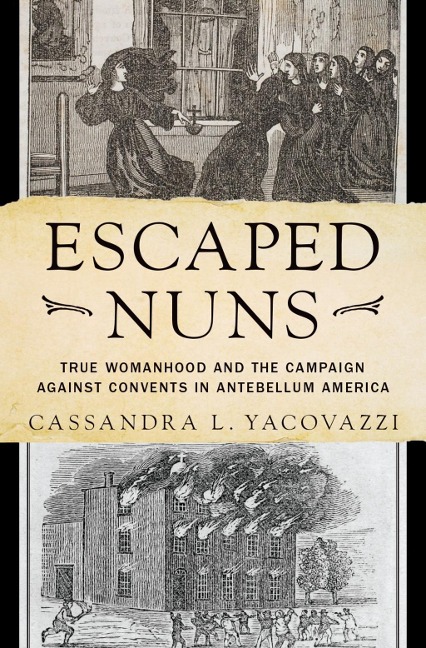
Just five weeks after its publication in January 1836, Awful Disclosures of the Hotel Dieu Nunnery, billed as an escaped nun's shocking exposé of convent life, had already sold more than 20,000 copies. The book detailed gothic-style horror stories of licentious priests and abusive mothers superior, tortured nuns and novices, and infanticide. By the time the book was revealed to be a fiction and the author, Maria Monk, an imposter, it had already become one of the nineteenth century's best-selling books. In antebellum America only one book, Uncle Tom's Cabin, outsold it. The success of Monk's book was no fluke, but rather a part of a larger phenomenon of anti-Catholic propaganda, riots, and nativist politics. The secrecy of convents stood as an oblique justification for suspicion of Catholics and the campaigns against them, which were intimately connected with cultural concerns regarding reform, religion, immigration, and, in particular, the role of women in the Republic. At a time when the term "female virtue" pervaded popular rhetoric, the image of the veiled nun represented a threat to the established American ideal of womanhood. Unable to marry, she was instead a captive of a foreign foe, a fallen woman, a white slave, and a foolish virgin. In the first half of the nineteenth century, ministers, vigilantes, politicians, and writers--male and female--forged this image of the nun, locking arms against convents. The result was a far-reaching antebellum movement that would shape perceptions of nuns, and women more broadly, in America.
Cassandra L. Yacovazzi is Visiting Assistant Professor of History at the University of South Florida-Sarasota-Manatee. Her research focuses on American cultural, religious, and gender history in the nineteenth century.
Introduction - The American Campaign against Convents Chapter One - An Escaped Nun: Maria Monk and Her Awful Disclosures Chapter Two - Burning Babylon: The Attack Against Mount Benedict and the Birth of the Convent Narrative Chapter Three - Uncle Tom and Sister Maria: Womanhood in the Anti-Slavery and Anti-Convent Campaigns Chapter Four - Textbook Popery: Convent Schools, the Feminization of Teaching, and the Nation's Children Chapter Five - Hidden Dangers: Convent Cellars, City Haunts, and the Rise of Dark-Lantern Politics Chapter Six - Awful Disclosures of Mormonism: Convents, Polygamy, and the Fear of Female Sexual Deviance Chapter Seven - The Nunnery Sleuths: Convent Investigations and the Massachusetts Know Nothing Party Epilogue - Solving a Problem like Maria: Imagining Sisters from Maria Monk to Nunsense