Und dann auf "Zum Home-Bildschirm [+]".

Stöbern
genialokal zum Startbildschirm hinzufügen
Installieren Sie die genialokal App auf Ihrem Startbildschirm für einen schnellen Zugriff und eine komfortable Nutzung.
Installieren Sie die genialokal App auf Ihrem Startbildschirm für einen schnellen Zugriff und eine komfortable Nutzung.

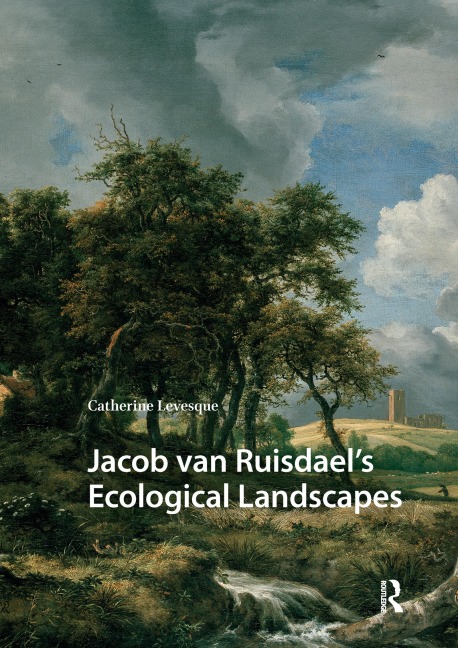
This book examines Jacob van Ruisdael's treatment of five subjects-dunes, grainfields, ruins, rushing water, and woodlands-that recur throughout his career. The paintings, though fictive, show close attention to the complexities of particular environments that can be fruitfully considered "ecological." The pattern of Ruisdael's reworking each environment and associated phenomena shows him as laboring over these themes. His work across media conveys something of his demanding and methodical procedure as he sought to achieve pictorially the force, temporality, vitality, and motion of nature. Ruisdael's paintings decenter humankind within familiar yet reimagined landscapes. His ability to depict nature's dynamism provided an alternative vision at a foundational moment when landscape, increasingly manipulated and controlled, was most often considered property and investment. His focus on the techniques and processes of his own work to render these entities was essential to his ecological perspective and invites a similar recognition from an attentive viewer.
Catherine Levesque is an Associate Professor at the College of William and Mary. Her previous book, Journey Through Landscape in Seventeenth-Century Holland: The Haarlem Print Series and Dutch Identity examines the role of print culture in providing a framework for developments in printed landscape series and subsequently paintings. She has also published on Pieter Bruegel, Gilles van Coninxloo, Joos de Momper, and Hercules Segers.
List of Illustrations, Acknowledgements, Introduction, I Dunes: Man in Nature, Dune Landscapes and Pleasant Places, 'Duinen en Wildernissen', Dunes and Country Roads, The Dune Environment, II Grainfields: Making Landscape, Techn.: Labor and Landscape, The Wild and the Sown, Processes of Art: Processes of Nature, Point of View, III Ruins: Temporality and Transformation, Things Fall Apart: Broken Bridges, Monumental Ruins, Biological Time, Destruction and Reconstruction, IV Water: Matter in Motion, Mills and Millruns, Ocean, Waterfalls, V Woodlands and Marshes: Art and Nature, Woodlands, Realizing Vital Form, Sylva, Landscapes Tame and Wild, Conclusion, Index