Und dann auf "Zum Home-Bildschirm [+]".

Stöbern
genialokal zum Startbildschirm hinzufügen
Installieren Sie die genialokal App auf Ihrem Startbildschirm für einen schnellen Zugriff und eine komfortable Nutzung.
Installieren Sie die genialokal App auf Ihrem Startbildschirm für einen schnellen Zugriff und eine komfortable Nutzung.
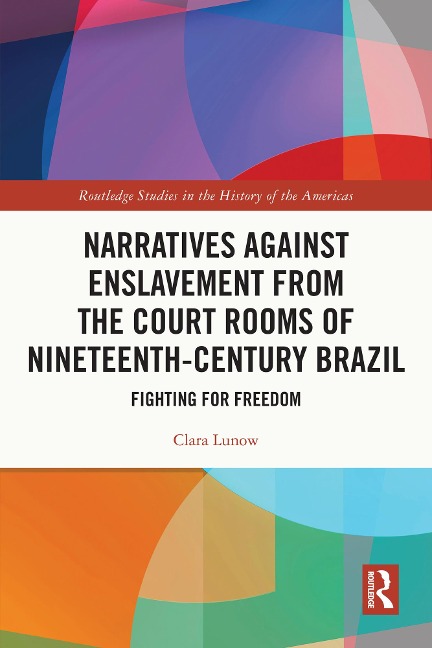
This book examines the enslavement system in nineteenth-century Brazil, demonstrating the strategies that lawyers and plaintiffs used to fight for freedom in court. In nineteenth-century Brazil, countless enslaved and freed women and men appealed to court to claim their right to freedom or that of family members. Taken as a whole, these legal suits create a narrative against the institution of slavery. By analyzing 30 individual cases (1810-1881) from various parts of imperial Brazil, this book demonstrates the intricate strategies of argumentation that lawyers and plaintiffs conceived to prove the right to freedom of the parties involved and to convince the authorities of it. Enslaved persons did not only protest their enslavement through rebellion, flight, refusal to work, and in everyday life but also produced a statement in the legal sphere against enslavement. This intellectual achievement was realized through the cooperation of lawyers and enslaved plaintiffs alike, functioning through stories of injustices, not through theoretical treatises on the right to liberty. While research on abolition in Brazil has concentrated mainly on public discourse, legislative decrees, and protest actions, this book focuses on the discursive space of courts. It gives both an overview of the enslavement system and intricately analyzes the fight for freedom in court. Narratives of Enslavement is the perfect volume for both students and nonspecialist readers and also provides new insights for specialists in this field.
Clara Lunow has explored the self-narratives of enslaved people in the United States as early as her Bachelor studies. In her master's and doctoral thesis, she was able to transfer this topic to Brazil. Lunow particularly focuses on self-narratives, human rights, and social justice.
1. In the Courts of Brazil 2. Enslaved Families and Their Fight for Freedom 3. Fighting Mistreatment 4. Ambivalent Relations, and the Fight against Re-enslavement
Dieses eBook wird im PDF-Format geliefert und ist mit einem Adobe Kopierschutz (DRM) versehen. Sie können dieses eBook mit allen Geräten lesen, die das PDF-Format und den Adobe Kopierschutz (DRM) unterstützen.
Zum Beispiel mit den folgenden Geräten:
• tolino Reader
Laden Sie das eBook direkt über den Reader-Shop auf dem tolino herunter oder übertragen Sie das eBook auf Ihren tolino mit einer kostenlosen Software wie beispielsweise Adobe Digital Editions.
• Sony Reader & andere eBook Reader
Laden Sie das eBook direkt über den Reader-Shop herunter oder übertragen Sie das eBook mit der kostenlosen Software Sony READER FOR PC/Mac oder Adobe Digital Editions auf ein Standard-Lesegeräte mit epub- und Adobe DRM-Unterstützung.
• Tablets & Smartphones
Möchten Sie dieses eBook auf Ihrem Smartphone oder Tablet lesen, finden Sie hier unsere kostenlose Lese-App für iPhone/iPad und Android Smartphone/Tablets.
• PC & Mac
Lesen Sie das eBook direkt nach dem Herunterladen mit einer kostenlosen Lesesoftware, beispielsweise Adobe Digital Editions, Sony READER FOR PC/Mac oder direkt über Ihre eBook-Bibliothek in Ihrem Konto unter „Meine eBooks“ - „online lesen“.
Schalten Sie das eBook mit Ihrer persönlichen Adobe ID auf bis zu sechs Geräten gleichzeitig frei.
Bitte beachten Sie, dass die Kindle-Geräte das Format nicht unterstützen und dieses eBook somit nicht auf Kindle-Geräten lesbar ist.