Und dann auf "Zum Home-Bildschirm [+]".

Stöbern
genialokal zum Startbildschirm hinzufügen
Installieren Sie die genialokal App auf Ihrem Startbildschirm für einen schnellen Zugriff und eine komfortable Nutzung.
Installieren Sie die genialokal App auf Ihrem Startbildschirm für einen schnellen Zugriff und eine komfortable Nutzung.
Ihr gewünschter Artikel ist in 0 Buchhandlungen vorrätig - wählen Sie hier eine Buchhandlung in Ihrer Nähe aus:

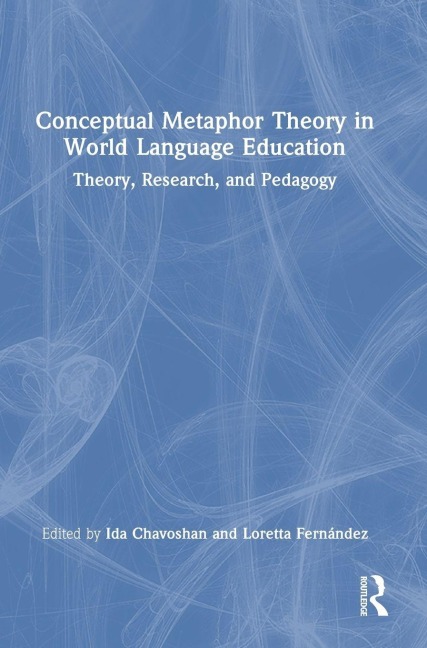
This edited collection explores the scholarly and pedagogical implementations of Conceptual Metaphor Theory (CMT) in world language education. The book aims to provide a comprehensive exploration of CMT's role in world language education, offering guidance and inspiration for both researchers and practitioners in the field.
Ida Chavoshan is Clinical Associate Professor in Liberal Studies at New York University. Loretta Fernández is a World and Heritage Language Assistant Professor of Practice at the University of Pittsburgh, Department of Teaching, Learning, and Leading.
List of Figures List of Tables About the Editors List of Contributors Acknowledgements Part I. Introduction Chapter 1. Conceptual Metaphor Theory in World Language Education: An Introduction Ida Chavoshan and Loretta Fernández Part II. CMT Applications in English Language Classrooms Chapter 2. Conceptual Metaphor Theory Research in Learning English as a Foreign Language Talar Kaloustian Chapter 3. Teaching the Concept of Conceptual Metaphor for Learners' L2 English Development in Academic Communication Tianfang Wang Chapter 4. Metaphorical Visualizations: From Rhetorical Moves to Sentence Structure in Teaching English to English Language Learners Eva W-grzecka-Kowalewski Chapter 5. Unpacking the Structure of a Biomedical Research Paper: A Conceptual Metaphor-Based Approach Molly Xie Pan and Dandan Xie Chapter 6. Conceptual From the Start: A Beginner-Level Phrasal Verb Curriculum for English Language Teachers Ida Chavoshan and Peter Kolenich Part III. CMT Applications in World Language Classrooms Chapter 7. Understanding Conceptual Metaphors and Gesture for Second Language Learners in Elementary Classrooms: A Sociocultural Theoretical Perspective Alessandro Rosborough and Jennifer Wimmer Chapter 8. Teaching Metaphors in Spanish as a Second Language: Research, Classroom Resources, and a Critical Pedagogical Approach Erika Abarca Millán and Rosa Bahamondes Rivera Chapter 9. Using Comparative Metaphor in French Brett David Wells Chapter 10. Spiral Development of Metaphorical Competence: A Concept-Based Language Instructional Approach to Teaching Animal Metaphors in Chinese as a Foreign Language Shuyuan Liu Part IV. CMT Applications in Higher Education Classrooms Chapter 11. Arabic as a Second Language and Teaching Metaphors: Teachers' Perceptions Abedal-mutaleb Al-zuweiri Chapter 12. Multimodal Metaphors of Linguistic Diversity: 'Language Teachers' Examination of Language Use and Identity Loretta Fernández, Francis John Troyan, Daniel Scott Ferguson, and Yuseva Ariyani Iswandari Chapter 13. Metaphors of Latinidad: What Graduate Students Say About Being Latinx and the Pedagogical Implications for Culture and Language Learning Loretta Fernández and Lisa Ortiz-Guzmán Part V. Conclusions Chapter 14. Conceptual Metaphors in World Language Education: At the Crossroads of Cognitive Linguistics and Education Loretta Fernández and Ida Chavoshan Index