Und dann auf "Zum Home-Bildschirm [+]".

Stöbern
genialokal zum Startbildschirm hinzufügen
Installieren Sie die genialokal App auf Ihrem Startbildschirm für einen schnellen Zugriff und eine komfortable Nutzung.
Installieren Sie die genialokal App auf Ihrem Startbildschirm für einen schnellen Zugriff und eine komfortable Nutzung.
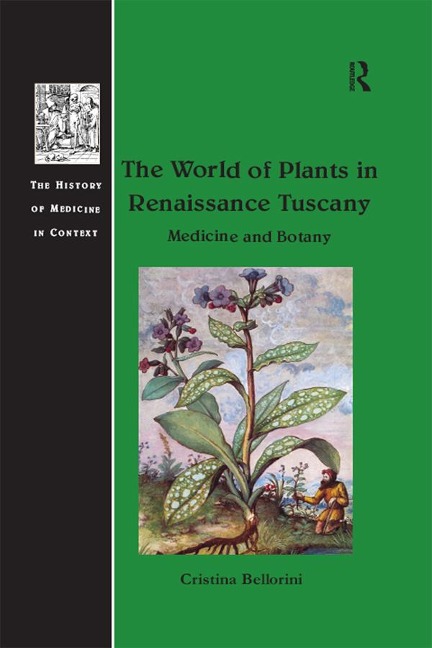
In the sixteenth century medicinal plants, which until then had been the monopoly of apothecaries, became a major topic of investigation in the medical faculties of Italian universities, where they were observed, transplanted, and grown by learned physicians both in the wild and in the newly founded botanical gardens. Tuscany was one of the main European centres in this new field of inquiry, thanks largely to the Medici Grand Dukes, who patronised and sustained research and teaching, whilst also taking a significant personal interest in plants and medicine. This is the first major reconstruction of this new world of plants in sixteenth-century Tuscany. Focusing primarily on the medical use of plants, this book also shows how plants, while maintaining their importance in therapy, began to be considered and studied for themselves, and how this new understanding prepared the groundwork for the science of botany. More broadly this study explores how the New World's flora impacted on existing botanical knowledge and how this led to the first attempts at taxonomy.
Cristina Bellorini received her PhD from the History Department at Birkbeck College, University of London. Her current research project is a study of sixteenth-century agrarian and horticultural history in Italy, based on archival sources in Florence and Milan.
Contents Acknowledgements List of Illustrations List of Tables List of Abbreviations Introduction Chapter 1 Plants and Medicine at the Court of Cosimo, Francesco, and Ferdinando de' Medici The Construction of a Cultural Identity The Importance of the Name Medici: Cosmas and Damian The Grand Dukes' Commitment to Medicine The Fonderie Plants and Gardens Conclusion Chapter 2 Medical Botany at the Re-founded University of Pisa Cosimo I's Cultural Project and the University Luca Ghini and the New Teaching of materia medica Ghini's Placiti and Lectures Andrea Cesalpino Cesalpino's Herbarium (1563): A First Attempt at Plant Classification Cesalpino's De plantis Conclusion Chapter 3 New Ways of Studying Plants Gardens of Simples Herbaria Field Trips Botanical Illustration Cosimo's Scrittoio Brunfels and Fuchs The Debate on Images Iacopo Ligozzi Conclusion Chapter 4 Plants from the New World The New plants Florence and Discovery American Plants in the Nuovo ricettario fiorentino Luca Ghini on the French Disease Gabriele Falloppio's Tractatus de morbo gallico New plants in Mattioli's Discorsi Nicolas Monardes's Historia Medicinal American Plants in Cesalpino's De Plantis Conclusion Chapter 5 The Nuovo ricettario fiorentino and the Understanding of Therapy The First Edition of the Nuovo ricettario fiorentino The Evolution of the Ricettario The Penetration of Paracelsus's Theories into Tuscany Plants and Chemistry: Distillation Plants and Therapy in Paracelsus's Herbarius The Doctrine of Signatures Conclusion Chapter 6 Theory and Practice Medical Practice in the Faculty of Medicine Three Texts of Mercuriale on Quartan Fever Some Cases of Fever in the Medici Family Cosimo I's Illness in 1572 The Account Books of the Speziale al Giglio Simples Medicines Conclusion Conclusion Bibliography
Dieses eBook wird im PDF-Format geliefert und ist mit einem Adobe Kopierschutz (DRM) versehen. Sie können dieses eBook mit allen Geräten lesen, die das PDF-Format und den Adobe Kopierschutz (DRM) unterstützen.
Zum Beispiel mit den folgenden Geräten:
• tolino Reader
Laden Sie das eBook direkt über den Reader-Shop auf dem tolino herunter oder übertragen Sie das eBook auf Ihren tolino mit einer kostenlosen Software wie beispielsweise Adobe Digital Editions.
• Sony Reader & andere eBook Reader
Laden Sie das eBook direkt über den Reader-Shop herunter oder übertragen Sie das eBook mit der kostenlosen Software Sony READER FOR PC/Mac oder Adobe Digital Editions auf ein Standard-Lesegeräte mit epub- und Adobe DRM-Unterstützung.
• Tablets & Smartphones
Möchten Sie dieses eBook auf Ihrem Smartphone oder Tablet lesen, finden Sie hier unsere kostenlose Lese-App für iPhone/iPad und Android Smartphone/Tablets.
• PC & Mac
Lesen Sie das eBook direkt nach dem Herunterladen mit einer kostenlosen Lesesoftware, beispielsweise Adobe Digital Editions, Sony READER FOR PC/Mac oder direkt über Ihre eBook-Bibliothek in Ihrem Konto unter „Meine eBooks“ - „online lesen“.
Schalten Sie das eBook mit Ihrer persönlichen Adobe ID auf bis zu sechs Geräten gleichzeitig frei.
Bitte beachten Sie, dass die Kindle-Geräte das Format nicht unterstützen und dieses eBook somit nicht auf Kindle-Geräten lesbar ist.