Und dann auf "Zum Home-Bildschirm [+]".

Stöbern
genialokal zum Startbildschirm hinzufügen
Installieren Sie die genialokal App auf Ihrem Startbildschirm für einen schnellen Zugriff und eine komfortable Nutzung.
Installieren Sie die genialokal App auf Ihrem Startbildschirm für einen schnellen Zugriff und eine komfortable Nutzung.
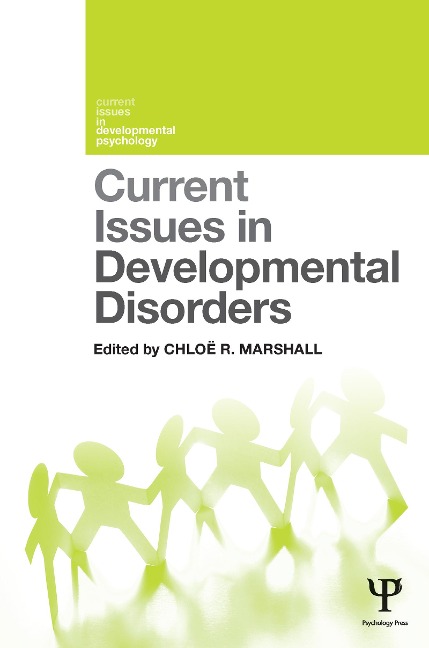
Cognitive development in children is a highly complex process which, while remarkably resilient, can be disrupted in a variety of ways. This volume focuses on two types of neurodevelopmental disorder: syndromic conditions such as fragile X syndrome, Down syndrome, Williams syndrome and velocardiofacial syndrome; and non-syndromic conditions including dyslexia, specific language impairment, autism spectrum disorder and attention deficit hyperactivity disorder. This book provides a state-of-the-art review of current research and covers key topics across the full range of developmental disorders. Topics covered include: - diagnosis and comorbidity - genetics - longitudinal studies - computational models - distinguishing disorder from disadvantage - language and culture - the modern beginnings of research into developmental disorders The book also looks at how the study of developmental disorders has contributed to our understanding of typical development, and themes emerge that are common across chapters, including intervention and education, and the neurobiological bases of developmental disorders. The result is a fascinating and thought-provoking volume that will be indispensable to advanced students, researchers and practitioners in the fields of developmental psychology, neuropsychology, speech and language therapy, and developmental disorders.
Chloe R. Marshall, PhD, is Senior Lecturer in Psychology and Human Development at the Institute of Education, University of London, and a former Montessori nursery teacher and teacher-trainer. Her research investigates typical and atypical language acquisition in hearing and deaf children, with a focus on specific language impairment and dyslexia.
C. Marshall, Glossary and Introduction. Part 1. Current issues in the study of developmental disorders: 1. D. Williams, S. Lind Comorbidity and diagnosis of developmental disorders. 2. D. Newbury, The genetics of developmental disorders. 3. B. Byrne, R. Olson, S. Samuelsson, The longitudinal perspective on developmental disorders. 4. M. Thomas, F. Baughman, T. Karaminis, C. Addyman, Modelling developmental disorders. 5. P. Roy, S. Chiat, Teasing apart disadvantage from disorder: The case of poor language. 6. S. Wong, M. Xiao, K. Chung, Issues of culture and language in developmental disorders: The case of dyslexia in Chinese learners. Part 2. Reflections on the study of developmental disorders. 7. P. Hellal, M. Lorch, The modern beginnings of research into developmental language disorders. 8. R. Filippi, A. Karmiloff-Smith, What can neurodevelopmental disorders teach us about typical development?
Dieses eBook wird im PDF-Format geliefert und ist mit einem Adobe Kopierschutz (DRM) versehen. Sie können dieses eBook mit allen Geräten lesen, die das PDF-Format und den Adobe Kopierschutz (DRM) unterstützen.
Zum Beispiel mit den folgenden Geräten:
• tolino Reader
Laden Sie das eBook direkt über den Reader-Shop auf dem tolino herunter oder übertragen Sie das eBook auf Ihren tolino mit einer kostenlosen Software wie beispielsweise Adobe Digital Editions.
• Sony Reader & andere eBook Reader
Laden Sie das eBook direkt über den Reader-Shop herunter oder übertragen Sie das eBook mit der kostenlosen Software Sony READER FOR PC/Mac oder Adobe Digital Editions auf ein Standard-Lesegeräte mit epub- und Adobe DRM-Unterstützung.
• Tablets & Smartphones
Möchten Sie dieses eBook auf Ihrem Smartphone oder Tablet lesen, finden Sie hier unsere kostenlose Lese-App für iPhone/iPad und Android Smartphone/Tablets.
• PC & Mac
Lesen Sie das eBook direkt nach dem Herunterladen mit einer kostenlosen Lesesoftware, beispielsweise Adobe Digital Editions, Sony READER FOR PC/Mac oder direkt über Ihre eBook-Bibliothek in Ihrem Konto unter „Meine eBooks“ - „online lesen“.
Schalten Sie das eBook mit Ihrer persönlichen Adobe ID auf bis zu sechs Geräten gleichzeitig frei.
Bitte beachten Sie, dass die Kindle-Geräte das Format nicht unterstützen und dieses eBook somit nicht auf Kindle-Geräten lesbar ist.