Und dann auf "Zum Home-Bildschirm [+]".

Stöbern
genialokal zum Startbildschirm hinzufügen
Installieren Sie die genialokal App auf Ihrem Startbildschirm für einen schnellen Zugriff und eine komfortable Nutzung.
Installieren Sie die genialokal App auf Ihrem Startbildschirm für einen schnellen Zugriff und eine komfortable Nutzung.

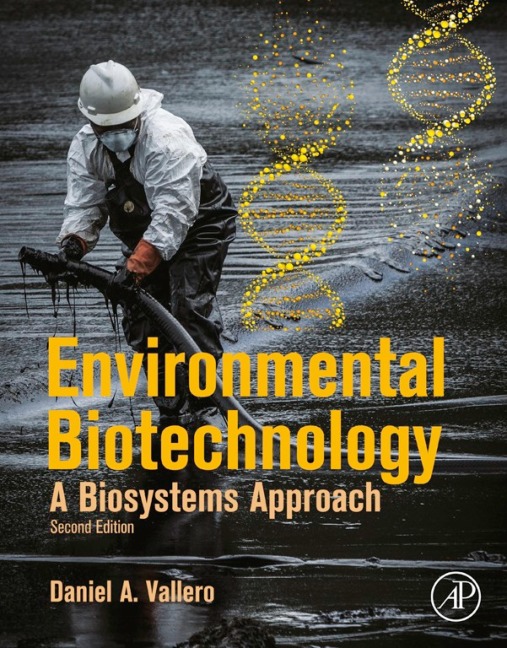
Environmental Biotechnology: A Biosystems Approach, Second Edition presents valuable information on how biotechnology has acted as a vital buffer among people, pollution, and the environment. It answers the most important questions on the topic, including how, and why, a knowledge and understanding of the physical, chemical, and biological principles of the environment must be achieved in order to develop biotechnology applications. Most texts address either the applications or the implications of biotechnology. This book addresses both. The applications include biological treatment and other environmental engineering processes. The risks posed by biotechnologies are evaluated from both evidence-based and precautionary perspectives. Using a systems biology approach, the book provides a context for researchers and practitioners in environmental science that complements guidebooks on the necessary specifications and criteria for a wide range of environmental designs and applications. Users will find crucial information on the topics scientific researchers must evaluate in order to develop further technologies.
- Provides a systems approach to biotechnologies which includes the physical, biological, and chemical processes in context
- Presents relevant case studies on cutting-edge technologies, such as nanobiotechnologies and green engineering
- Addresses both the applications and implications of biotechnologies by following the lifecycle of a variety of established and developing biotechnologies
- Includes crucial information on the topics scientific researchers must evaluate in order to develop further technologies
Professor Daniel A. Vallero is a renowned environmental scientist and engineer with four decades of experience. He has advised U.S. government agencies on critical issues like PBTs, climate change, acid rain, and chemical risks. At Duke University, he led the Engineering Ethics program and taught courses on air pollution, sustainable design, and ethics. Vallero has served on the National Academy of Engineering's Online Ethics Committee and the National Institute of Engineering Ethics. An expert in emerging technologies, he focuses on societal, ethical, and public health challenges related to nanotechnology and environmental biotechnology. His work also encompasses emergency response and homeland security, making him a leading voice in environmental risk and ethics.
Preface Chapter 1 Environmental biotechnology: An overview Chapter 2 A question of balance: Using versus abusing biological systems Chapter 3 Environmental biochemodynamic processes Chapter 4 Systems Chapter 5 Environmental risks of biotechnologies Chapter 6 Reducing biotechnological risks Chapter 7 Applied ecology Chapter 8 Biotechnological implications: A systems approach Chapter 9 Environmental risks of biotechnologies: Economic sector perspectives Chapter 10 Addressing biotechnological pollutants Chapter 11 Nanobiotechology and emerging sciences Chapter 12 Mechanisms and outcomes Chapter 13 Analyzing the environmental implications of emerging technologies Chapter 14 Responsible management of biotechnologies Appendix 1 Background information on environmental impact statements Appendix 2 Cancer potency factors Appendix 3 Verification method for rapid polymerase chain reaction systems to detect biological agents Appendix 4 Summary of persistent and toxic organic compounds in North America, identified by the United Nations as highest priorities for regional actions Appendix 5 Sample retrieval from ECOTOX database for Rainbow Trout (Oncorhynchus mykiss) exposed to DDT and its metabolites in freshwater Glossary Index