Und dann auf "Zum Home-Bildschirm [+]".

Stöbern
genialokal zum Startbildschirm hinzufügen
Installieren Sie die genialokal App auf Ihrem Startbildschirm für einen schnellen Zugriff und eine komfortable Nutzung.
Installieren Sie die genialokal App auf Ihrem Startbildschirm für einen schnellen Zugriff und eine komfortable Nutzung.

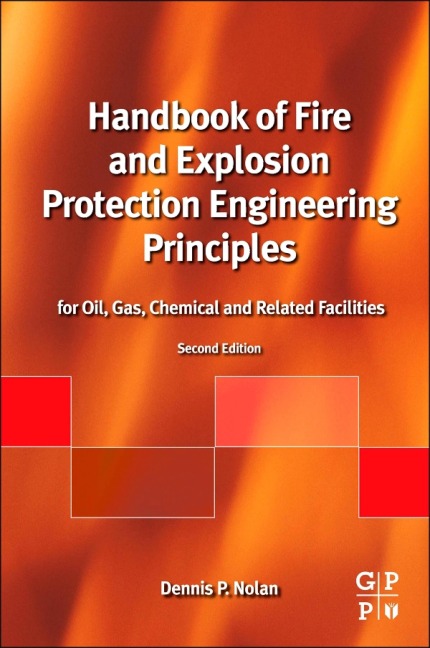
Handbook of Fire and Explosion Protection Engineering Principles: for Oil, Gas, Chemical and Related Facilities is a general engineering handbook that provides an overview for understanding problems of fire and explosion at oil, gas, and chemical facilities. This handbook offers information about current safety management practices and technical engineering improvements. It also provides practical knowledge about the effects of hydrocarbon fires and explosions and their prevention, mitigation principals, and methodologies. This handbook offers an overview of oil and gas facilities, and it presents insights into the philosophy of protection principles. Properties of hydrocarbons, as well as the characteristics of its releases, fires and explosions, are also provided in this handbook. The book includes chapters about fire- and explosion-resistant systems, fire- and gas-detection systems, alarm systems, and methods of fire suppression. The handbook ends with a discussion about human factors and ergonomic considerations, including human attitude, field devices, noise control, panic, and security. People involved with fire and explosion prevention, such as engineers and designers, will find this book invaluable. - A unique practical guide to preventing fires and explosions at oil and gas facilities, based on the author's extensive experience in the industry
- An essential reference tool for engineers, designers and others facing fire protection issues
- Based on the latest NFPA standards and interpretations
Dr. Dennis P. Nolan has had a long career devoted to risk engineering, fire protection engineering, loss prevention engineering and systems safety engineering. He holds a Doctor of Philosophy degree in Business Administration from Berne University, Master of Science degree in Systems Management from Florida Institute of Technology and a Bachelor of Science Degree in Fire Protection Engineering from the University of Maryland. He is a U.S. registered professional engineer in fire protection engineering in the state of California.He is currently on the Executive Management staff of Saudi Aramco, located in Dhahran, Saudi Arabia, as a Loss Prevention Consultant/Chief Fire Prevention Engineer. He covers some of the largest oil and gas facilities in the world. As part of his career, he has examined oil production, refining, and marketing facilities under severe conditions and in various unique worldwide locations, including Africa, Asia, Europe, the Middle East, Russia, and North and South America. His activity in the aerospace field has included engineering support for the NASA Space Shuttle launch facilities at Kennedy Space Center (and for those undertaken at Vandenburg Air Force Base, California) and "classified national defense systems. Dr. Nolan has received numerous safety awards and is a member of the American Society of Safety Engineers, He is the author of many technical papers and professional articles in various international fire safety publications. He has written at least four books, several published by Elsevier.
PrefaceAbout the Author1 Introduction2 Overview of Oil and Gas Facilities3 Philosophy of Protection Principles4 Physical Properties of Hydrocarbons5 Characteristics of Hydrocarbon Releases, Fires and Explosions6 Historical survey of Fire and Explosions in the Hydrocarbon Industries7 Risk Analysis8 Segregation, Separation and Arrangement9 Grading, Containment and Drainage Systems10 Process Controls11 Emergency Shutdown12 Depressurization, Blowdown and Venting13 Overpressure and Thermal Relief14 Control of Ignition Sources15 Elimination of Process Releases16 Fire and Explosion Resistant Systems17 Fire and Gas Detection and Alarm Systems18 Evacuation19 Methods of Fire Suppression20 Special Locations, Facilities, and Equipment21 Human Factors and Ergonomic ConsiderationsAppendicesAppendix A: Testing Firewater SystemsA-1 Testing of Firewater Pumping SystemsA-2 Testing of Firewater Distribution SystemsA-3 Testing of Sprinkler and Deluge SystemsA-4 Testing of Foam Fire Suppression SystemsA-5 Testing of Firewater Hose Reels and MonitorsA-6 Fire Protection Hydrostatic Testing RequirementsAppendix B: Reference DataB-1 Fire Resistance Testing StandardsB-2 Explosion and Fire Resistance RatingsB-3 National Electrical Manufactures Association (NEMA) NEMA ClassificationsB-4 Hydraulic DataB-5 Selected Conversion FactorsAcronym ListGlossaryIndex