Und dann auf "Zum Home-Bildschirm [+]".

Stöbern
genialokal zum Startbildschirm hinzufügen
Installieren Sie die genialokal App auf Ihrem Startbildschirm für einen schnellen Zugriff und eine komfortable Nutzung.
Installieren Sie die genialokal App auf Ihrem Startbildschirm für einen schnellen Zugriff und eine komfortable Nutzung.
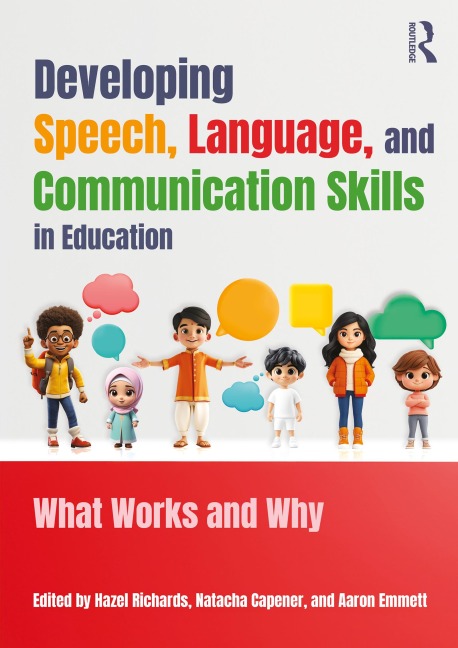
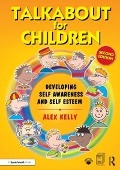
This practical guide equips teachers, educators, and speech and language therapists who work across the age phases with the knowledge, skills, and confidence required to fully meet the speech, language, and communication (SLC) needs of children and young people (CYP). As SLC challenges are increasing among pupils, this book links theory to practical aspects of pedagogy, guiding readers to consider how to support the CYP they work with in educational settings. It champions a collaborative approach to supporting conditions such as Developmental Language Disorder (DLD), Autism, and others, and considers the reasonable adjustments that can be implemented to support all pupils (a 'universal' approach). Written by a multi-disciplinary team, it embraces sociological, educational, and medical perspectives, encouraging critical thinking and offering a range of case studies that illustrate key strategies and real-world applications, as well as signposting practical resources and sources of further support.
Hazel Richards is a specialist speech and language therapist who worked with children and young people with complex needs in mainstream, specialist, and alternative settings for over 20 years. Her experience of working with SENCos as a professional, school governor, and parent motivated her doctoral studies investigating SENCo identity and influences on practice. Natacha Capener has over 16 years' experience working within education, from early years through to secondary, in both mainstream and specialist settings. As a speech and language therapist she has worked collaboratively with teaching staff in schools to embed speech and language therapy practices and approaches within the academic curriculum. Aaron Emmett is a speech and language therapist whose most recent clinical role was lead for secondary and further education. He has worked with children and young people as part of a secondary school team and as a youth worker. Aaron has engaged in research analysing the experiences of SENCos in accessing speech and language therapy services.
Glossary of terms and accronyms. Introduction Section 1: Fundamentals 1. Inclusive Pedagogy for Supporting Speech, Language and Communication (Stephanie Brewster) 2. Attention and Listening (Hazel Richards) 3. Play and Conceptual Development (Tom Hopkins) 4. Emotional Regulation in the Classroom (Helen Knowler) 5. Multilingualism: Growing Up with More Than One Language (Aydan Suphi) Section 2: Key speech, language and communication areas 6. Speech (Charlie Ayling and Lorraine Bamblett) 7. Understanding and Using Language (Lorraine Bamblett and Natacha Capener) 8. Literacy and Language (Tom Hopkins and Natacha Capener) 9. Communication Intent and Social Interaction (Hazel Richards) 10. Enabling Communication for Children Who Stammer (Aaron Emmett) 11. Supporting the Communication of Children and Young People with Social, Emotional and Mental Health (SEMH) Needs (Claire Westwood and Teri Oakshott-Marston) 12. Speech, Language and Communication Needs in the School Exclusion Process (Claire Westwood and Helen Knowler) Section 3: Implementation and moving forward 13. Preparation for Adulthood (Aaron Emmett) 14. Creating Inclusive Environments That Maximise Functional Speech, Language and Communication Skills (Niki Stokes and Lorraine Bamblett) 15. Interprofessional and Collaborative Working (Sally Philpotts and Alice Murphy). Conclusion.
Dieses eBook wird im PDF-Format geliefert und ist mit einem Adobe Kopierschutz (DRM) versehen. Sie können dieses eBook mit allen Geräten lesen, die das PDF-Format und den Adobe Kopierschutz (DRM) unterstützen.
Zum Beispiel mit den folgenden Geräten:
• tolino Reader
Laden Sie das eBook direkt über den Reader-Shop auf dem tolino herunter oder übertragen Sie das eBook auf Ihren tolino mit einer kostenlosen Software wie beispielsweise Adobe Digital Editions.
• Sony Reader & andere eBook Reader
Laden Sie das eBook direkt über den Reader-Shop herunter oder übertragen Sie das eBook mit der kostenlosen Software Sony READER FOR PC/Mac oder Adobe Digital Editions auf ein Standard-Lesegeräte mit epub- und Adobe DRM-Unterstützung.
• Tablets & Smartphones
Möchten Sie dieses eBook auf Ihrem Smartphone oder Tablet lesen, finden Sie hier unsere kostenlose Lese-App für iPhone/iPad und Android Smartphone/Tablets.
• PC & Mac
Lesen Sie das eBook direkt nach dem Herunterladen mit einer kostenlosen Lesesoftware, beispielsweise Adobe Digital Editions, Sony READER FOR PC/Mac oder direkt über Ihre eBook-Bibliothek in Ihrem Konto unter „Meine eBooks“ - „online lesen“.
Schalten Sie das eBook mit Ihrer persönlichen Adobe ID auf bis zu sechs Geräten gleichzeitig frei.
Bitte beachten Sie, dass die Kindle-Geräte das Format nicht unterstützen und dieses eBook somit nicht auf Kindle-Geräten lesbar ist.