Und dann auf "Zum Home-Bildschirm [+]".

Stöbern
genialokal zum Startbildschirm hinzufügen
Installieren Sie die genialokal App auf Ihrem Startbildschirm für einen schnellen Zugriff und eine komfortable Nutzung.
Installieren Sie die genialokal App auf Ihrem Startbildschirm für einen schnellen Zugriff und eine komfortable Nutzung.
Ihr gewünschter Artikel ist in 0 Buchhandlungen vorrätig - wählen Sie hier eine Buchhandlung in Ihrer Nähe aus:

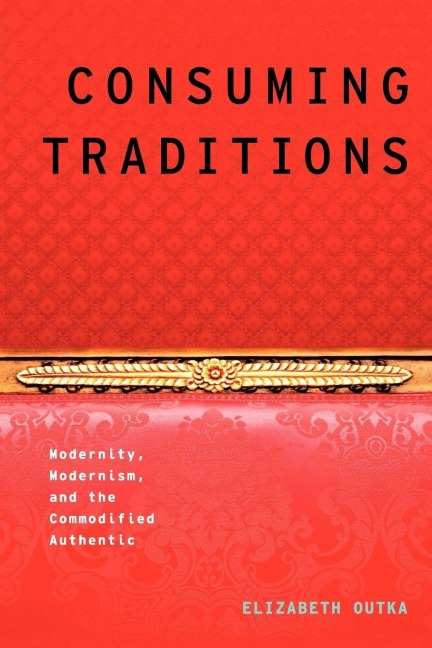
In an unprecedented phenomenon that swept across Britain at the turn of the nineteenth century, writers, advertisers, and architects began to create and sell images of an authentic cultural realm paradoxically considered outside the marketplace. Such images were located in nostalgic pictures of an idyllic, pre-industrial past, in supposedly original objects not derived from previous traditions, and in the ideal of a purified aesthetic that might be separated from the mass market. Presenting a lively, unique study of what she terms the "commodified authentic," Elizabeth Outka explores this crucial but overlooked development in the history of modernity with a piercing look at consumer culture and the marketing of authenticity in late nineteenth- and early twentieth-century Britain.
The book brings together a wide range of cultural sources, from the model towns of Bournville, Port Sunlight, and Letchworth; to the architecture of Edwin Lutyens and Selfridges department store; to work by authors such as Bernard Shaw, E. M. Forster, Henry James, D. H. Lawrence, James Joyce, and Virginia Woolf.
Elizabeth Outka is an Associate Professor of English at the University of Richmond. She has published essays on modernism and British culture in Modernism/modernity, NOVEL and other publications.
Preface
1. Selling Authenticity
Part One: Commodified Nostalgia and the Country Aesthetic
2. The Past is a Present Country: Model Towns and Commercial Utopias
3. Buying Time: E. M. Forster and the Neo-Nostalgic Home
Part Two: Urban Authenticities
4. The Vanishing Act of Commercialism: Selfridges, Modernity, and the Purified Marketplace
5. "Lustrous Behind Glass": Woolf, Window Shopping, and Authentic Display
Conclusion: Modernist Excursions