Und dann auf "Zum Home-Bildschirm [+]".

Stöbern
genialokal zum Startbildschirm hinzufügen
Installieren Sie die genialokal App auf Ihrem Startbildschirm für einen schnellen Zugriff und eine komfortable Nutzung.
Installieren Sie die genialokal App auf Ihrem Startbildschirm für einen schnellen Zugriff und eine komfortable Nutzung.
Ihr gewünschter Artikel ist in 0 Buchhandlungen vorrätig - wählen Sie hier eine Buchhandlung in Ihrer Nähe aus:

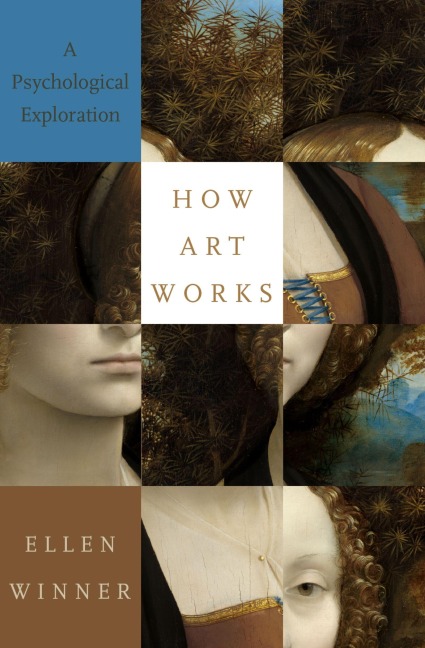
This book examines puzzles about the arts wherever their provenance - as long as there is empirical research using the methods of social science (interviews, experimentation, data collection, statistical analysis) that can shed light on these questions. The examined research reveals how ordinary people think about these questions, and why they think the way they do - an inquiry referred to as intuitive aesthetics. The book shows how psychological research on the artshas shed light on and often offered surprising answers to such questions.
Ellen Winner is Professor of Psychology at Boston College and Senior Research Associate at Project Zero, Harvard Graduate School of Education. She directs the Arts and Mind Lab, which focuses on cognition in the arts in typical and gifted children as well as adults. She received the Rudolf Arnheim Award for Outstanding Research by a Senior Scholar in Psychology and the Arts from Division 10 in 2000.
Table of Contents
Acknowledgments
I. INTRODUCTION
1. Perennial Questions
2. Can This Be Art?
II. ART AND EMOTION
3. Wordless Sounds: Hearing Emotion in Music
4. Feeling Like Crying: Emotions in the Music Listener
5. Color and Form: Emotional Connotations of Visual Art
6. Emotions in the Art Museum: Why Don't We Feel Like Crying?
7. Drawn to Pain: The Paradoxical Enjoyment of Negative Emotion in Art
III. ART AND JUDGMENT
8. Is It Good-Or Just Familiar?
9. Too Easy to Be Good? The Effort Bias
10. Identical! What's Wrong with a Perfect Fake?
11. "But My Kid Could Have Done That!"
IV. WHAT ART DOES - AND DOES NOT - DO FOR US
12. Silver Bullets: Does Art Make Us Smarter?
13. The Lives of Others: Fiction and Empathy
14. Does Making Art Improve Well-Being?
V. MAKING ART
15. Who Makes Art and Why?
VI. CONCLUSION
16. How Art Works
Notes
References
Index