Und dann auf "Zum Home-Bildschirm [+]".

Stöbern
genialokal zum Startbildschirm hinzufügen
Installieren Sie die genialokal App auf Ihrem Startbildschirm für einen schnellen Zugriff und eine komfortable Nutzung.
Installieren Sie die genialokal App auf Ihrem Startbildschirm für einen schnellen Zugriff und eine komfortable Nutzung.
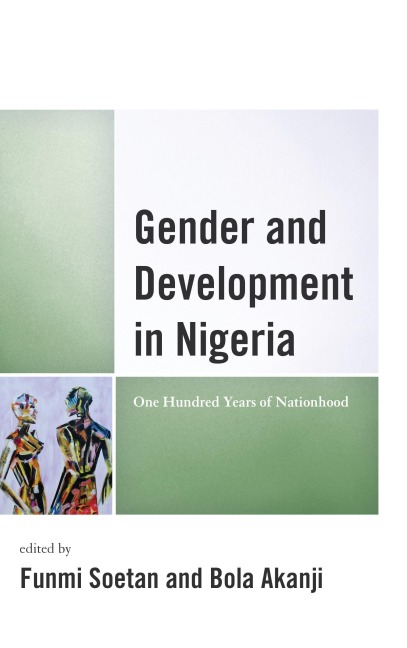
In this edited volume, Nigerian scholars from a variety of disciplines examine the relationship between gender and Nigeria's pathways of development in the last 100 years of its nationhood. This analysis is set against the background of unequal power dynamics between women and men, and specifically the ways in which social, cultural, political, and economic construction of gender has influenced Nigeria's course of development through her colonial and post-colonial history. The influence of the nature of economic governance, policy, and institutional frameworks, the nature of resource availability and (re)distribution between women and men in terms of goods and services, knowledge and skills, policies and budgets, and the outcomes and impacts for women and men are seen in terms of women's economic empowerment, equal participation and development benefits. This rich collection of empirical works therefore provides not just the rhetoric but the evidence to indict gender power relations in Nigeria, especially at the institutional level. This volume unpacks and explores this recurrent problem with a the goal of identifying new pathways for gender relations.
Funmi Soetan is professor of economics at Obafemi Awolowo University.
Bola Akanji is retired research professor in the Economic Policy Management Division, Nigerian Institute of Social and Economic Research (NISER) and adjunct professor at University of Connecticut.
Chapter 1: A Centenary of Nationhood and a Gender Balance Sheet of Nigeria's Development Pathways by Funmi Soetan and Bola Akanji
Chapter 2: A Centenary of Women in Nigeria's Development Planning Processes: A Perspective View of Policy Regimes by Bola Akanji and Bolanle Awe
Chapter 3: A Centenary of Economic Development: Dynamics of Gender Inequality by Funmi Soetan and Adetunji Ogunyemi
Chapter 4: Gender Equality and Feminized Poverty: Multi-Dimensional and Centenary Perspectives by Monica Orisadare and Tolu Osinubi
Chapter 5: Economic Planning Basics: A Centenary Gender Approach to Household Data Gathering by Bukola Daramola
Chapter 6: Agricultural Production, Policy and Profession: A Centenary Gender Review by Olanike Deji and Dorcas Alabi
Chapter 7: A Centenary of Women's Entrepreneurship in Nigeria: Micro, Small and Medium Enterprises (MSMEs) by Helen Aderemi and Stephen Adegbite
Chapter 8: Information and Communication Technologies (ICTs), Empowerment and Gender Equity: A Centenary Perspective by Foluso Adeyinka and Yetunde Aluko
Conclusion: A Centenary of Development Policies: A Gender Balance Sheet and Future Strategies by Bola Akanji and Funmi Soetan
Dieses eBook wird im PDF-Format geliefert und ist mit einem Adobe Kopierschutz (DRM) versehen. Sie können dieses eBook mit allen Geräten lesen, die das PDF-Format und den Adobe Kopierschutz (DRM) unterstützen.
Zum Beispiel mit den folgenden Geräten:
• tolino Reader
Laden Sie das eBook direkt über den Reader-Shop auf dem tolino herunter oder übertragen Sie das eBook auf Ihren tolino mit einer kostenlosen Software wie beispielsweise Adobe Digital Editions.
• Sony Reader & andere eBook Reader
Laden Sie das eBook direkt über den Reader-Shop herunter oder übertragen Sie das eBook mit der kostenlosen Software Sony READER FOR PC/Mac oder Adobe Digital Editions auf ein Standard-Lesegeräte mit epub- und Adobe DRM-Unterstützung.
• Tablets & Smartphones
Möchten Sie dieses eBook auf Ihrem Smartphone oder Tablet lesen, finden Sie hier unsere kostenlose Lese-App für iPhone/iPad und Android Smartphone/Tablets.
• PC & Mac
Lesen Sie das eBook direkt nach dem Herunterladen mit einer kostenlosen Lesesoftware, beispielsweise Adobe Digital Editions, Sony READER FOR PC/Mac oder direkt über Ihre eBook-Bibliothek in Ihrem Konto unter „Meine eBooks“ - „online lesen“.
Schalten Sie das eBook mit Ihrer persönlichen Adobe ID auf bis zu sechs Geräten gleichzeitig frei.
Bitte beachten Sie, dass die Kindle-Geräte das Format nicht unterstützen und dieses eBook somit nicht auf Kindle-Geräten lesbar ist.