Und dann auf "Zum Home-Bildschirm [+]".

Stöbern
genialokal zum Startbildschirm hinzufügen
Installieren Sie die genialokal App auf Ihrem Startbildschirm für einen schnellen Zugriff und eine komfortable Nutzung.
Installieren Sie die genialokal App auf Ihrem Startbildschirm für einen schnellen Zugriff und eine komfortable Nutzung.
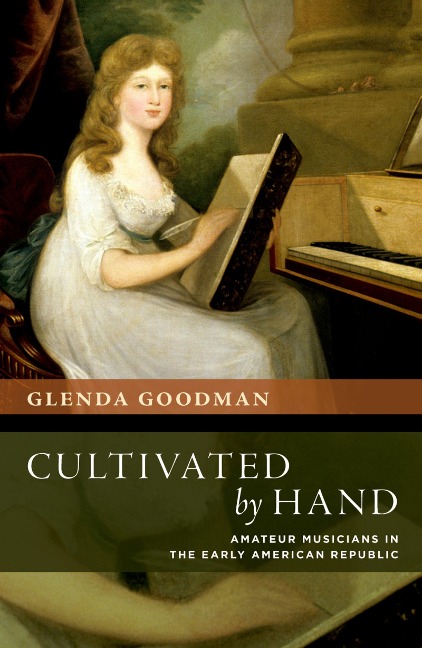
Scattered in archives and historical societies across the United States are hundreds of volumes of manuscript music, copied by hand by eighteenth-century amateurs. Often overlooked, amateur music making played a key role in the construction of gender, class, race, and nation in the post-revolution years of the United States. These early Americans, seeking ways to present themselves as genteel, erudite, and pious, saw copying music by hand and performing it in intimate social groups as a way to make themselves--and their new nation-appear culturally sophisticated. Following a select group of amateur musicians, Cultivated by Hand makes the case that amateur music making was both consequential to American culture of the eighteenth century and aligned with other forms of self-fashioning. This interdisciplinary study explores the social and material practices of amateur music making, analyzing the materiality of manuscripts, tracing the lives of individual musicians, and uncovering their musical tastes and sensibilities. Author Glenda Goodman explores highly personal yet often denigrated experiences of musically "accomplished" female amateurs in particular, who grappled with finding a meaningful place in their lives for music. Revealing the presence of these unacknowledged subjects in music history, Cultivated by Hand reclaims the importance of such work and presents a class of musicians whose labors should be taken into account.
Glenda Goodman is an Assistant Professor of Music at the University of Pennsylvania who works on the history of music in early America.
List of illustrations Note on sources Cast of characters Preface Introduction Chapter 1: Reproducing Music Laboring Bodies and Technologies of Reproduction What is a Manuscript Music Book? Manuscript, Print, and Gender Chapter 2: Learning Music Literacies Literacy as Piety Print Discipline Becoming Refined Rigorous Seminaries Chapter 3: Consumerism and the Materiality of Music Books Family Business Luxury Goods Global Trade and Raw Supplies Chapter 4: Economies of Accomplishments Pleasing Patriarchs and Self-Display Courtship, Marriage, and the Intimacies of Musical Exchange Absence and Remembrance Chapter 5: Appearing Tasteful Personal Improvement Cosmopolitan Aspiration, Provincial Anxiety, and the American Galant Being Seen Sensibility, Observation, and Connection Epilogue Bibliography
Dieses eBook wird im PDF-Format geliefert und ist mit einem Adobe Kopierschutz (DRM) versehen. Sie können dieses eBook mit allen Geräten lesen, die das PDF-Format und den Adobe Kopierschutz (DRM) unterstützen.
Zum Beispiel mit den folgenden Geräten:
• tolino Reader
Laden Sie das eBook direkt über den Reader-Shop auf dem tolino herunter oder übertragen Sie das eBook auf Ihren tolino mit einer kostenlosen Software wie beispielsweise Adobe Digital Editions.
• Sony Reader & andere eBook Reader
Laden Sie das eBook direkt über den Reader-Shop herunter oder übertragen Sie das eBook mit der kostenlosen Software Sony READER FOR PC/Mac oder Adobe Digital Editions auf ein Standard-Lesegeräte mit epub- und Adobe DRM-Unterstützung.
• Tablets & Smartphones
Möchten Sie dieses eBook auf Ihrem Smartphone oder Tablet lesen, finden Sie hier unsere kostenlose Lese-App für iPhone/iPad und Android Smartphone/Tablets.
• PC & Mac
Lesen Sie das eBook direkt nach dem Herunterladen mit einer kostenlosen Lesesoftware, beispielsweise Adobe Digital Editions, Sony READER FOR PC/Mac oder direkt über Ihre eBook-Bibliothek in Ihrem Konto unter „Meine eBooks“ - „online lesen“.
Schalten Sie das eBook mit Ihrer persönlichen Adobe ID auf bis zu sechs Geräten gleichzeitig frei.
Bitte beachten Sie, dass die Kindle-Geräte das Format nicht unterstützen und dieses eBook somit nicht auf Kindle-Geräten lesbar ist.